
Business Case Study on Tata Group: A Timeless Example of Vision, Trust, and Business Growth Strategy
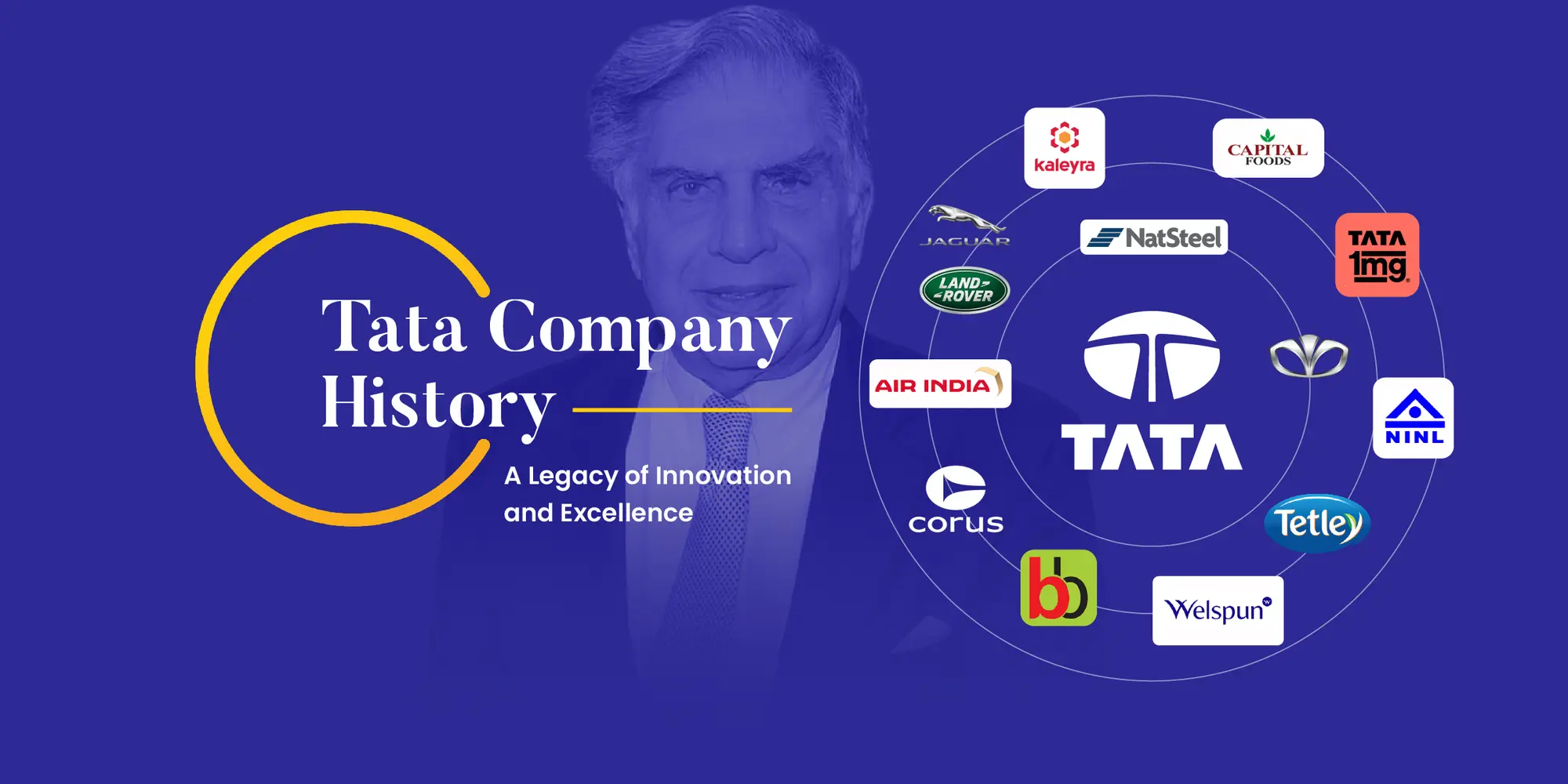
Photo by MOFSL
Business Case Study on Tata Group: A Timeless Example of Vision, Trust, and Business Growth Strategy
Introduction: Why This Business Case Study Matters
In the world of entrepreneurship, very few names carry the same respect and trust as Tata Group. From steel to software, salt to airlines, the Tata brand has become a symbol of reliability, ethics, and long-term success. This business case study is important for startups, small business owners, schools, and entrepreneurs who want to understand a real business growth strategy that worked for more than 150 years.
At Pinehills Business Solutions, we believe that every successful company leaves behind lessons. By studying the journey of Tata Group, businesses in India can learn powerful ideas about branding success, marketing strategy, leadership, and business consulting India practices that help organizations grow in a competitive market.
This case study will explore the founder’s story, early struggles, turning points, strategies, and the real business lessons that every entrepreneur should understand.
Background of the Company: The Vision of Jamsetji Tata
The story of Tata Group began in 1868 when Jamsetji Tata started a small trading company in Bombay (now Mumbai). At that time, India was under British rule, and Indian businessmen faced strong competition from foreign companies. Starting a business was not easy, and building trust was even harder.
Jamsetji Tata believed that business should not only make profit but also help society grow. His vision was simple but powerful — build industries that make India self-reliant. This vision later became the foundation of Tata Group’s mission.
The early years were full of challenges. There was lack of capital, lack of support, and strong competition from British companies. Still, Jamsetji Tata continued to take risks. He started textile mills, planned steel factories, and dreamed of building world-class institutions in India.
His ideas were far ahead of his time. What made Tata different was not just business thinking, but the courage to think long term.
Major Struggles Faced by Tata Group
Like every successful company, Tata Group also faced serious problems in different stages of growth.
Competition Problem:
In the early days, foreign companies dominated the Indian market. Indian brands were not trusted. Tata had to prove quality again and again to gain customer confidence.
Financial Problem:
Starting large industries like steel and power required huge investment. There were times when projects almost stopped due to lack of funds.
Branding Problem:
When Tata expanded into different industries, maintaining one strong brand identity became difficult. Managing reputation across multiple sectors was a big challenge.
Management Problem:
As the company grew, handling multiple businesses under one group required strong leadership and clear structure.
Growth Problem:
Expansion into global markets brought new competition from international brands.
These struggles show that even the biggest companies go through uncertainty, risk, and fear. This is an important lesson for every startup reading this business case study.
Turning Point: Strategy, Leadership, and Innovation
The real strength of Tata Group came from its ability to change with time. Different leaders took bold decisions that became turning points.
Under J. R. D. Tata, the company expanded into aviation, automobiles, and engineering. Later, Ratan Tata transformed the group into a global brand.
One of the biggest strategies was strong brand trust. Tata focused on quality, ethics, and customer satisfaction instead of quick profit. This created long-term loyalty.
Another important strategy was diversification. Instead of depending on one industry, Tata entered steel, cars, IT, hotels, chemicals, telecom, and many more sectors.
Innovation also played a big role. Tata Motors launched affordable cars, Tata Consultancy Services became a global IT leader, and Tata Tea expanded internationally.
Marketing strategy was simple but powerful — build trust first, promotion later. This approach helped Tata achieve branding success without aggressive advertising.
Leadership decisions also made a difference. Buying companies like Jaguar Land Rover showed that Indian businesses can compete globally.
These strategies are perfect examples of a strong business growth strategy.
Results: Real Impact and Market Success
Today, Tata Group is one of the largest business groups in the world.
Operates in more than 100 countries
Millions of customers across industries
Strong brand recognition in India and abroad
Continuous growth in revenue and market value
Trusted name in steel, IT, automobiles, hospitality, and retail
The biggest success of Tata is not only money, but reputation. In India, the Tata name itself is a brand.
Customers trust Tata products without hesitation. This level of trust is the result of decades of honest work, good customer service, and strong business values.
From a small trading firm to a global giant, Tata’s journey is a perfect business case study for entrepreneurs.
Analysis from Pinehills Business Solutions Perspective
At Pinehills Business Solutions, we study successful companies to help startups and small businesses grow faster.
Here are some important lessons from Tata Group:
1. Build Trust Before Profit
Customers stay loyal to brands they trust. Branding success comes from consistency.
2. Think Long Term
Quick profit may help today, but strong strategy builds future.
3. Diversify Smartly
Do not depend on one product. Explore new opportunities.
4. Invest in Branding and Marketing
Even good products need proper promotion and positioning.
5. Strong Leadership is Essential
Clear decisions and vision help businesses survive difficult times.
6. Adapt to Change
Market changes fast. Businesses must change faster.
These are the same principles we follow while providing business consulting India, marketing support, branding, and growth planning for startups, schools, and small businesses.
Human Side of the Story: Risk, Patience, and Hard Work
Behind every big company, there are years of struggle that people do not see.
Jamsetji Tata did not see all his dreams come true in his lifetime. Many projects were completed after his death. But his belief never stopped.
Ratan Tata also faced criticism when he launched new projects. Some failed, some succeeded, but he never stopped trying.
This is the real human lesson — success is not one decision, it is a journey of patience, risk, and hard work.
Every entrepreneur feels fear. Every business faces loss. But those who continue with discipline and honesty create history.
Conclusion: What Businesses Should Learn from Tata Group
The story of Tata Group is not just history, it is a guide for every entrepreneur. This business case study shows that strong values, smart marketing strategy, good leadership, and long-term thinking create real success.
Whether you run a startup, school, shop, or company, the same rules apply —
plan well, brand well, market well, and stay consistent.
If you want to grow your business with the right business growth strategy, expert guidance can make the journey faster and safer.
Pinehills Business Solutions provides support in
Business Consulting | Branding | Marketing | School Projects | Event Management | E-commerce Setup | Growth Strategy
If you are serious about your business, connect with us today and start building your success story.
Contact Pinehills Business Solutions to take your business to the next level.