
Startup vs Traditional Business: Which is Better in 2026?
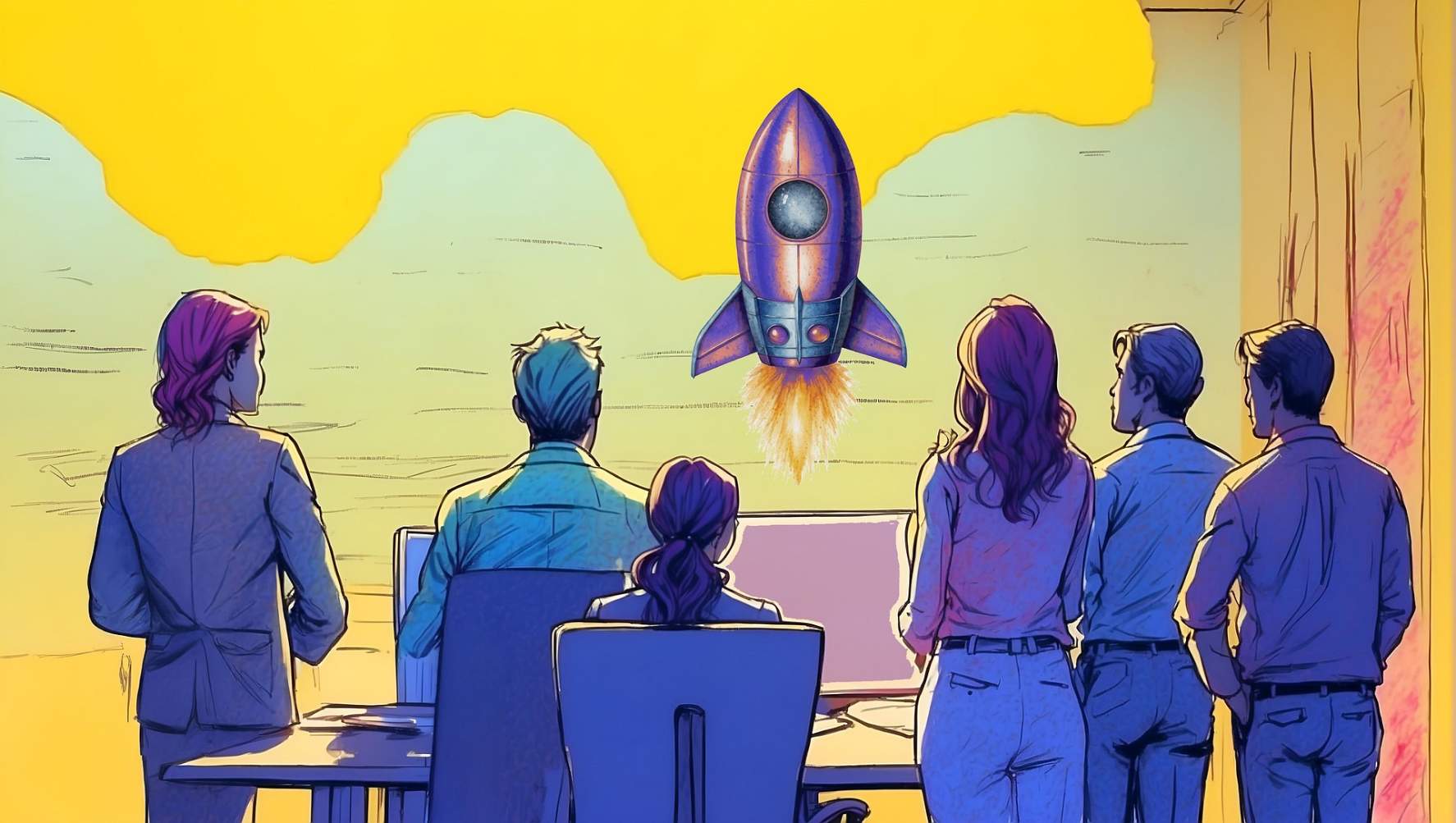
Photo by Gerd Altmann
Startup vs Traditional Business: Which is Better in 2026?
India’s business landscape has transformed dramatically over the last decade. From kirana stores going digital to tech-enabled D2C brands emerging from Tier 2 cities, entrepreneurship is no longer limited to metro-based founders or legacy business families. As we step into 2026, one big question continues to surface:
Should you start a startup or build a traditional business?
If you’re an entrepreneur, SME owner, school administrator, or a local business planning expansion, this decision will define your growth trajectory for years to come. Let’s break it down in a practical, India-focused way.
Understanding the Core Difference
Before choosing sides, let’s clarify what we really mean.
What is a Startup?
A startup is typically:
- Innovation-driven
- Built to scale rapidly
- Tech-enabled (often digital-first)
- Designed for exponential growth
Think of companies like Zomato, Flipkart, or BYJU’S. They started with disruptive ideas and aimed to dominate markets quickly.
What is a Traditional Business?
A traditional business:
- Focuses on stable, steady growth
- Often serves a local or regional market
- May not rely heavily on technology
- Prioritizes profitability over aggressive scaling
Examples include:
- A manufacturing unit in Ludhiana
- A coaching institute in Jaipur
- A family-run wholesale textile shop in Surat
- A private CBSE school in Kolkata
Both models work. The real question is: Which works better in 2026?
The 2026 Business Environment in India
To answer that, we need context.
India in 2026 is:
- Digital-first (UPI, ONDC, AI integration in SMEs)
- Data-driven
- Hyper-competitive
- Brand-conscious
Government initiatives like Startup India and Digital India have lowered entry barriers for startups. Meanwhile, GST compliance, online marketplaces, and digital marketing have forced traditional businesses to modernize.
The lines between startup and traditional business are blurring.
Startup Model in 2026: Advantages and Challenges
Why Startups Are Attractive
1. Faster Growth Potential
If your idea solves a real problem — say logistics for rural e-commerce or AI-based accounting for SMEs — you can scale nationally in 3–5 years.
India’s digital infrastructure supports this. A SaaS product built in Indore can serve clients in Chennai, Dubai, and Singapore.
2. Investor Interest
Venture capital and angel funding ecosystems have matured. Investors are actively scouting:
- Climate-tech startups
- AI-based solutions
- EdTech 2.0 models
- Health-tech for Tier 2 cities
Capital access is easier than ever — but only for scalable ideas.
3. Brand Visibility Through Digital
With strong branding and performance marketing, even a new brand can build pan-India recall quickly. Instagram, YouTube Shorts, and regional content marketing have democratized visibility.
The Reality Check for Startups
However, the startup model isn’t glamorous for everyone.
1. High Burn Rate
Many founders underestimate:
- Customer acquisition cost (CAC)
- Retention challenges
- Operational complexity
Without a clear profitability roadmap, scaling can become a liability.
2. Intense Competition
Every promising niche quickly becomes crowded. In 2026, being “just another app” is not enough. Differentiation, branding, and positioning matter more than ever.
3. Pressure to Scale Fast
Investors expect growth. If you prefer steady, low-risk expansion, this pressure may not align with your personality or goals.
Traditional Business in 2026: Still Relevant?
Absolutely. In fact, many traditional businesses are outperforming flashy startups — quietly.
Why Traditional Businesses Are Thriving
1. Stable Cash Flow
A well-run manufacturing unit or coaching centre may not go viral, but it generates predictable revenue.
Profitability > Valuation.
2. Lower Risk
Traditional businesses usually:
- Start with controlled investment
- Expand based on revenue
- Avoid heavy debt or dilution
For risk-averse entrepreneurs, this is a safer route.
3. Strong Local Brand Loyalty
In India, trust is powerful. A 20-year-old school or hospital has community credibility that no digital ad can buy overnight.
But Traditional Businesses Must Evolve
Here’s the catch:
If a traditional business refuses to digitize, it will struggle.
In 2026:
- Customers Google before they visit
- Parents compare schools online
- B2B buyers expect professional branding
- Even local retailers need WhatsApp automation
The future belongs to digitally upgraded traditional businesses.
Startup vs Traditional Business: A Practical Comparison
| Factor | Startup | Traditional Business |
|---|---|---|
| Growth Speed | Fast, scalable | Gradual, steady |
| Risk Level | High | Moderate |
| Funding Need | Often external | Usually self-funded |
| Tech Dependency | High | Increasingly necessary |
| Profit Timeline | Delayed | Early-stage profitability possible |
| Pressure | High investor expectations | Operational stability focus |
Which Model is Better for You in 2026?
There’s no universal answer. The better model depends on:
1. Your Risk Appetite
If you’re comfortable with uncertainty and high competition → Startup.
If you prefer predictable income and long-term stability → Traditional business.
2. Your Industry
- EdTech with AI integration → Startup model fits.
- Regional CBSE school expansion → Traditional model with digital transformation.
- Local organic food brand → Hybrid model (traditional supply + startup-style marketing).
3. Your Long-Term Vision
Do you want:
- A ₹500 crore valuation?
- Or a profitable ₹20 crore family-run enterprise?
Both are respectable. Clarity matters more than trend-following.
The Real Winner in 2026: The Hybrid Model
The smartest Indian businesses in 2026 are neither purely startup nor purely traditional.
They are hybrid.
For example:
- A textile manufacturer using D2C e-commerce
- A school integrating LMS platforms and digital branding
- A CA firm offering AI-powered compliance dashboards
- A local gym running subscription apps and influencer marketing
This hybrid approach combines:
- Traditional revenue stability
- Startup-style branding
- Digital scalability
Why Branding and Strategy Matter More Than the Model
In 2026, execution beats ideology.
You can:
- Fail with a startup idea
- Or fail with a traditional business
The differentiator is strategic clarity.
This is where many Indian SMEs struggle — not because they lack hard work, but because they lack structured positioning, digital presence, and long-term branding vision.
Businesses that invest early in:
- Clear brand identity
- Professional digital assets
- Market research
- Process optimization
- Customer journey design
consistently outperform competitors.
Forward-thinking firms like Pinehills Business Solutions are increasingly helping Indian entrepreneurs bridge this gap — aligning branding, digital growth, and operational strategy into one cohesive roadmap rather than treating them as separate activities.
The Future Outlook (2026–2030)
Here’s what we anticipate:
1. AI Will Reshape Both Models
AI won’t just support startups; it will transform traditional businesses too — from predictive inventory management to automated admissions in schools.
2. Hyper-Local + Hyper-Digital Will Win
The businesses that dominate will:
- Understand local culture
- Use regional content
- Leverage national digital distribution
3. Sustainability Will Become Non-Negotiable
ESG and ethical practices will influence customer preference, especially among Gen Z consumers.
4. Personal Branding of Founders Will Grow
Entrepreneurs who build authority on LinkedIn and YouTube will attract trust, talent, and partnerships faster.
Final Verdict: What Should You Choose?
Instead of asking:
“Startup or Traditional Business?”
Ask:
- What problem am I solving?
- Who is my target market?
- How scalable is my model?
- How much risk can I tolerate?
- What kind of life do I want as an entrepreneur?
In 2026, success is not about chasing startup hype or clinging to old-school methods. It’s about strategic modernization.
If you’re an Indian entrepreneur, SME owner, school leader, or local business operator, the smartest move is to:
- Think like a startup
- Operate with traditional discipline
- Build a future-ready brand
Because in the end, the better model is not the trendiest one — it’s the one aligned with your vision, market reality, and execution capability.
And that alignment is where real growth begins.