
RBI cancels banking licence of Paytm Payments Bank
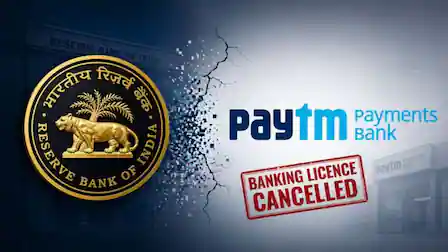
Photo by Byshweta Birendra Shukla
RBI cancels banking licence of Paytm Payments Bank
India’s financial ecosystem has been evolving at lightning speed, with fintech companies reshaping how millions of people transact, save, and access banking services. However, this rapid growth also comes with regulatory challenges. One of the most significant developments in recent times is the action taken by the Reserve Bank of India (RBI) against Paytm Payments Bank.
This move has sparked widespread discussion, concern, and curiosity among users, businesses, and investors alike. But beyond the headlines, what does this decision really mean? And more importantly, what lessons should businesses and consumers take from it?
Understanding the RBI’s Decision
The RBI, as India’s central banking authority, is responsible for maintaining financial stability and ensuring that all financial institutions operate within strict compliance frameworks. Its action against Paytm Payments Bank was not sudden—it followed repeated observations of non-compliance and supervisory concerns.
The central bank imposed restrictions that effectively halted key banking operations of Paytm Payments Bank. These included limitations on deposits, credit transactions, and other core services. Eventually, the regulatory pressure led to the cancellation of its banking licence, marking one of the most serious enforcement actions in India’s fintech space.
The RBI’s stance was clear: compliance is non-negotiable, regardless of how big or popular a platform becomes.
What Went Wrong?
While Paytm built a strong brand and massive user base, regulatory compliance remained a critical challenge. According to RBI findings, the issues revolved around:
- Weak internal controls
- Inadequate KYC (Know Your Customer) processes
- Data governance concerns
- Failure to address repeated warnings
In simple terms, the bank struggled to meet the operational discipline required of a regulated financial institution.
This situation highlights an important reality: growth without governance is risky.
Impact on Customers
For millions of users who relied on Paytm Payments Bank for daily transactions, savings accounts, and wallet services, the news created immediate uncertainty.
However, the RBI ensured that customer interests were protected. Users were given sufficient time to withdraw or transfer their funds. Unlike a bank collapse scenario, this was a controlled regulatory action aimed at minimizing disruption.
Still, the psychological impact cannot be ignored. Trust is the foundation of banking, and such events can shake consumer confidence—not just in one platform, but in the broader fintech ecosystem.
Impact on the Fintech Industry
This decision is a turning point for India’s fintech sector. It sends a strong message to startups and digital financial companies:
Innovation must go hand in hand with compliance.
For years, fintech companies have focused heavily on scaling quickly—acquiring users, expanding services, and raising investments. While this growth strategy works in the tech world, financial services operate under a different rulebook.
The RBI’s action reinforces that fintech is not just about technology—it’s about responsibility.
A Wake-Up Call for Businesses
For companies operating in finance or planning to enter this space, this development serves as a critical lesson:
1. Compliance is a Core Strategy, Not a Checklist
Many businesses treat compliance as a secondary function. In reality, it should be integrated into the core business model.
2. Strong Internal Systems Are Essential
From KYC processes to data management, every system must be robust and transparent.
3. Regulatory Relationships Matter
Ignoring or delaying responses to regulatory concerns can escalate into serious consequences.
4. Reputation Can Change Overnight
Even a well-known brand like Paytm faced reputational challenges due to regulatory action. Trust, once shaken, takes time to rebuild.
What This Means for Consumers
For users, this situation is a reminder to be more aware and cautious about where they keep their money.
Here are a few practical takeaways:
- Avoid keeping all funds in a single digital platform
- Regularly monitor updates from financial service providers
- Prefer institutions with strong regulatory track records
- Stay informed about RBI guidelines and actions
Financial awareness is no longer optional—it’s essential.
The Bigger Picture: Strengthening India’s Financial System
While the RBI’s action may seem harsh, it actually plays a crucial role in strengthening India’s financial ecosystem.
By enforcing strict regulations, the RBI ensures:
- Customer funds remain safe
- Financial fraud risks are minimized
- Institutions maintain accountability
- Long-term stability of the economy
In fact, such decisions build greater trust in the system over time, even if they cause short-term discomfort.
Opportunities Hidden in the Crisis
Every disruption creates new opportunities. The Paytm Payments Bank case opens doors for:
- Traditional banks to regain customer trust
- Compliant fintech startups to stand out
- Consulting firms to guide businesses on regulatory frameworks
- Investors to focus on sustainable, compliant growth models
This is where strategic guidance becomes crucial.
How Pinehills Business Solutions Can Help
At Pinehills Business Solutions, we understand that today’s business environment is not just competitive—it’s highly regulated. Companies need more than growth strategies; they need compliance-driven growth frameworks.
We help businesses:
- Build strong operational and compliance systems
- Align with regulatory requirements from day one
- Develop risk management strategies
- Create sustainable and scalable business models
In a world where one regulatory misstep can change everything, having the right guidance can make all the difference.
Final Thoughts
The RBI’s action against Paytm Payments Bank is more than just a news story—it’s a defining moment for India’s fintech landscape.
It reminds us that:
- Trust is the currency of financial services
- Compliance is the backbone of growth
- Regulation is not a barrier, but a safeguard
For businesses, it’s a call to build responsibly.
For consumers, it’s a reminder to stay informed.
And for the industry, it’s a step toward a more secure and resilient future.
As India continues its journey toward becoming a digital financial powerhouse, one thing is certain: only those who balance innovation with integrity will truly succeed.