
Business Case Study on Adani Enterprises: A Timeless Example of Vision, Trust, and Business Growth Strategy
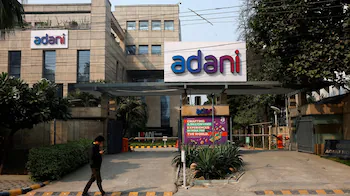
Photo by Moneycontrol News
Business Case Study on Adani Enterprises: A Timeless Example of Vision, Trust, and Business Growth Strategy
Introduction: Why This Business Case Study Matters
Every successful business has a story—but only a few redefine industries. This business case study on Adani Enterprises is one such story. It’s not just about growth; it’s about vision, risk-taking, and strategic execution at scale.
In today’s competitive landscape, understanding real-world business growth strategy is more valuable than textbook theories. This case study will help entrepreneurs, students, and business owners learn how a company transformed challenges into opportunities using strong leadership, smart marketing strategy, and bold decision-making.
If you’re looking for practical business tips for startups or insights into branding success in India, this story offers powerful lessons.
Company Background: The Vision Behind the Empire
The Founder’s Story
Adani Enterprises was founded by Gautam Adani, a first-generation entrepreneur who started with limited resources but limitless ambition. Born into a modest family, Adani’s early journey was filled with uncertainty. He dropped out of college and moved to Mumbai to work in the diamond industry before starting his own venture.
Foundation and Early Days
- Founded in 1988
- Started as a commodity trading business
- Headquarters: Ahmedabad, India
The company initially dealt in agricultural and power commodities. However, the journey was far from easy.
Initial Challenges
- Limited capital and resources
- Highly competitive trading market
- Lack of brand recognition
- Regulatory and infrastructure barriers
Vision and Mission
Adani’s vision was clear: to build a globally integrated infrastructure and energy company. The mission focused on nation-building through infrastructure development—ports, power, logistics, and more.
The Core Business Problems and Struggles
Even though Adani Enterprises is now a giant, its journey included several critical challenges:
1. Branding Problem
In its early years, Adani Enterprises lacked a strong brand identity. It was seen as just another trading firm, not a long-term industry leader.
2. Competition Problem
The company faced intense competition from established players in commodities, logistics, and infrastructure sectors.
3. Financial Challenges
Expanding into capital-intensive sectors like ports and power required massive investments, increasing financial risks.
4. Growth Problem
Scaling from a trading company to an infrastructure giant required a complete shift in business model and capabilities.
5. Management Complexity
Managing multiple verticals—energy, logistics, mining—created operational complexity.
The Turning Point: Strategy That Changed Everything
The real transformation began when Adani Enterprises shifted from trading to infrastructure development. This was not just a business decision—it was a bold strategic pivot.
1. Business Strategy: Diversification with Focus
Adani adopted a forward integration strategy, moving closer to end consumers by building infrastructure:
- Development of ports (Mundra Port)
- Entry into power generation
- Expansion into logistics and mining
This helped control the entire value chain.
2. Marketing Strategy: Building Trust, Not Just Visibility
Instead of traditional advertising, the company focused on:
- Government partnerships
- Large-scale infrastructure projects
- Reputation-building through execution
This created long-term credibility rather than short-term visibility.
3. Branding Strategy: Nation Builder Image
Adani positioned itself as a “nation-building company”, aligning its brand with India’s growth story. This emotional branding created trust among stakeholders.
4. Innovation and Expansion
- Invested in renewable energy (solar and wind)
- Entered airports and data center businesses
- Focused on future-ready industries
5. Leadership Decisions
Gautam Adani’s leadership style played a crucial role:
- Quick decision-making
- High-risk appetite
- Long-term vision over short-term gains
6. Digital and Operational Efficiency
- Adoption of advanced logistics systems
- Data-driven decision-making
- Improved operational efficiency
Results: Real Impact and Market Success
The results of these strategies were extraordinary.
Revenue Growth
Adani Enterprises evolved into a multi-billion-dollar company, contributing significantly to the overall Adani Group revenue.
Expansion
- Presence across multiple sectors
- Global operations in several countries
- Ownership of India’s largest private port
Brand Recognition
The company transformed from an unknown trader to a globally recognized infrastructure brand.
Customer and Stakeholder Growth
- Strong partnerships with governments and global companies
- Increased investor confidence
Market Leadership
Adani became a dominant player in:
- Ports and logistics
- Renewable energy
- Infrastructure development
Pinehills Business Solutions Analysis: Lessons for Businesses
At Pinehills Business Solutions, we believe every business case study should translate into actionable insights. Here’s what businesses can learn:
1. Think Long-Term
Short-term profits should not override long-term vision. Adani’s success came from patient, strategic growth.
2. Build a Strong Brand Identity
Branding success is not about ads—it’s about positioning. Align your brand with a larger purpose.
3. Diversify Smartly
Expansion should be strategic, not random. Focus on industries where you can build synergy.
4. Take Calculated Risks
Every major success involves risk. The key is calculated risk with clear planning.
5. Focus on Execution
Ideas don’t build companies—execution does. Adani’s strength lies in delivering large-scale projects efficiently.
6. Mistakes to Avoid
- Expanding without expertise
- Ignoring branding
- Lack of financial discipline
- Poor management structure
7. Advice for Startups and Indian Entrepreneurs
- Start small, but think big
- Build credibility before scaling
- Focus on solving real problems
- Invest in systems and processes early
For businesses in India, especially startups and SMEs, adopting a structured business growth strategy is essential—and this is where expert business consulting India services can make a difference.
The Human Side of the Journey
Behind every billion-dollar success is a story of struggle.
Gautam Adani’s journey reflects:
- Courage to leave comfort zones
- Ability to face criticism and uncertainty
- Relentless hard work over decades
There were moments of doubt, financial pressure, and market challenges. But what set him apart was resilience—the ability to keep moving forward despite obstacles.
This human element is what makes this case study inspiring. It reminds us that success is not instant—it’s built over time with consistency and determination.
Conclusion: Turning Strategy into Success
The journey of Adani Enterprises is more than just a business story—it’s a masterclass in vision, execution, and resilience. From a small trading firm to a global infrastructure leader, the transformation highlights the power of strategic thinking and bold leadership.
For entrepreneurs, students, and business owners, this business case study offers invaluable lessons in marketing strategy, branding success, and sustainable growth.
Ready to Grow Your Business?
If you want to apply these strategies to your own business, Pinehills Business Solutions is here to help. Whether you need business consulting, branding, marketing strategy, school project guidance, or event management services—we provide practical, result-driven solutions tailored to your goals.
Contact Pinehills Business Solutions today and take the first step toward building your own success story.