
Business Case Study on Visa: A Timeless Example of Vision, Trust, and Business Growth Strategy
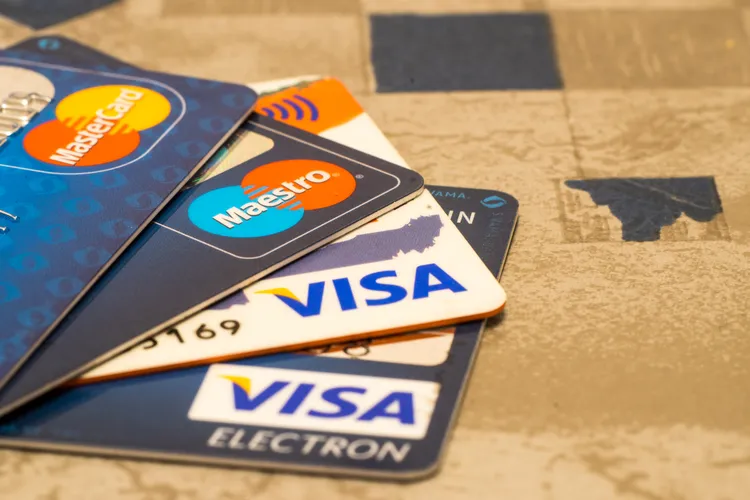
Photo by Adam Hayes
Business Case Study on Visa: A Timeless Example of Vision, Trust, and Business Growth Strategy
Introduction: Why This Business Case Study Matters
In today’s fast-moving digital economy, seamless financial transactions are no longer a luxury—they are a necessity. This business case study explores how Visa Inc. built one of the world’s most powerful payment networks, enabling billions of transactions every day.
From a small association of banks to a global financial giant, Visa’s journey offers valuable lessons in business growth strategy, marketing strategy, and branding success. In this case study, readers will learn how innovation, trust, and strategic thinking helped Visa dominate the competitive payments industry—and what Indian entrepreneurs and startups can learn from it.
Company Background: The Birth of a Financial Revolution
Founder Story
Visa’s story begins with Dee Hock, a visionary leader who believed in decentralization and collaboration. In the late 1950s, Hock joined Bank of America and soon recognized a major problem in the banking system—inefficient and slow payment processing.
When and Where It Started
Visa was originally launched in 1958 in the United States as the “BankAmericard” program by Bank of America. By 1976, it was rebranded as Visa, a name that symbolized universal acceptance.
Initial Challenges
- Lack of trust in card-based payments
- Fraud risks and security concerns
- Limited merchant acceptance
- Complex interbank settlement systems
Vision and Mission
Visa’s mission was simple yet powerful:
“To connect the world through the most innovative, reliable, and secure payment network.”
This vision laid the foundation for its global expansion and technological innovation.
The Core Problems Visa Faced
Like any major company, Visa encountered multiple challenges during its early growth phase.
1. Marketing Problem
Consumers were used to cash transactions. Convincing them to trust plastic cards required strong awareness campaigns and education.
2. Financial Problem
Building a global payment infrastructure required massive investment in technology, security, and partnerships.
3. Branding Problem
Initially, “BankAmericard” was seen as a local American product, limiting its global appeal.
4. Competition Problem
Visa faced intense competition from companies like Mastercard and later from fintech startups and digital wallets.
5. Growth Problem
Scaling operations across different countries with varying regulations was a complex challenge.
6. Management Problem
Coordinating multiple banks under one system required a unique governance structure—something unheard of at the time.
Turning Point: Strategy That Changed Everything
Visa’s success didn’t happen overnight. It was the result of smart decisions and bold strategies.
1. Innovative Business Strategy
Dee Hock introduced a decentralized model where multiple banks could participate in the Visa network. This created a collaborative ecosystem instead of a competitive one.
2. Strong Branding Strategy
Rebranding from BankAmericard to Visa was a masterstroke. The name “Visa” was short, global, and easy to remember—perfect for international expansion.
3. Marketing Strategy
Visa focused on building trust through consistent messaging:
- “Visa is everywhere you want to be”
- Emphasis on security, reliability, and convenience
This helped shift consumer behavior from cash to cards.
4. Technological Innovation
Visa invested heavily in:
- Electronic payment processing
- Fraud detection systems
- Contactless payments
These innovations positioned Visa as a leader in digital payments.
5. Leadership Decisions
Dee Hock’s belief in shared ownership and collaboration helped Visa scale rapidly without internal conflicts.
6. Digital and Offline Expansion
Visa partnered with:
- Banks
- Retailers
- Governments
This ensured both online and offline acceptance worldwide.
7. Customer Service Improvement
Visa prioritized:
- Fast transaction processing
- Secure payments
- Global accessibility
This created strong customer loyalty.
Results: Real Business Impact
Visa’s strategies delivered extraordinary results.
1. Revenue Growth
Visa became a multi-billion-dollar company with consistent global revenue growth year after year.
2. Massive Customer Base
- Billions of cardholders worldwide
- Accepted in over 200 countries
3. Brand Recognition
Visa is now one of the most recognized financial brands globally, symbolizing trust and convenience.
4. Global Expansion
From the U.S. to Asia, Europe, and Africa, Visa built a truly global network.
5. Digital Growth
Visa successfully adapted to:
- E-commerce boom
- Mobile payments
- Fintech integrations
6. Market Leadership
Visa remains a dominant player in the global payments industry, setting benchmarks for innovation and reliability.
Pinehills Business Solutions Analysis
From the perspective of Pinehills Business Solutions, this case study offers powerful insights for businesses in India.
Key Lessons for Businesses
1. Build Trust Before Profit
Visa focused on trust first—profits followed. For startups, credibility is everything.
2. Strong Branding Matters
A simple name and clear message can transform global perception.
3. Collaboration Over Competition
Instead of competing with banks, Visa partnered with them—creating a win-win model.
4. Invest in Technology
Digital transformation is not optional anymore—it’s essential for survival.
5. Think Global, Start Local
Visa started in one country but designed systems for global scalability.
Mistakes to Avoid
- Ignoring customer trust
- Weak branding identity
- Lack of innovation
- Poor adaptability to digital trends
Smart Strategies to Follow
- Focus on long-term vision
- Build strategic partnerships
- Use data-driven marketing strategies
- Prioritize customer experience
Advice for Indian Entrepreneurs
For startups and small businesses in India:
- Start with a clear mission
- Use digital marketing effectively
- Build strong networks and collaborations
- Don’t fear scaling—plan for it early
This is especially relevant in today’s growing fintech and digital economy in India.
Human Touch: The Story Behind the Success
Visa’s journey is not just about business—it’s about vision, risk, and persistence.
Dee Hock took a bold step by creating a system that didn’t exist before. There were doubts, failures, and resistance. Many people didn’t believe in card payments.
But through hard work, innovation, and belief in his idea, Hock transformed a simple concept into a global financial revolution.
This reminds us that every successful business starts with:
- A problem
- A bold idea
- The courage to act
Conclusion: What This Case Study Means for You
This business case study of Visa is a powerful example of how the right business growth strategy, marketing strategy, and branding success can create a global impact.
Whether you are a student, entrepreneur, or business owner, the lessons from Visa are clear:
- Think big
- Build trust
- Innovate continuously
If you are looking to apply these strategies to your own business, Pinehills Business Solutions is here to help.
🚀 Take the Next Step
Contact Pinehills Business Solutions today for:
- Business consulting India
- Branding and marketing strategy
- Growth planning
- School and college projects
- Event management solutions
Let’s turn your business idea into the next success story.