
Business Case Study on Bajaj Auto: A Timeless Example of Vision, Trust, and Business Growth Strategy
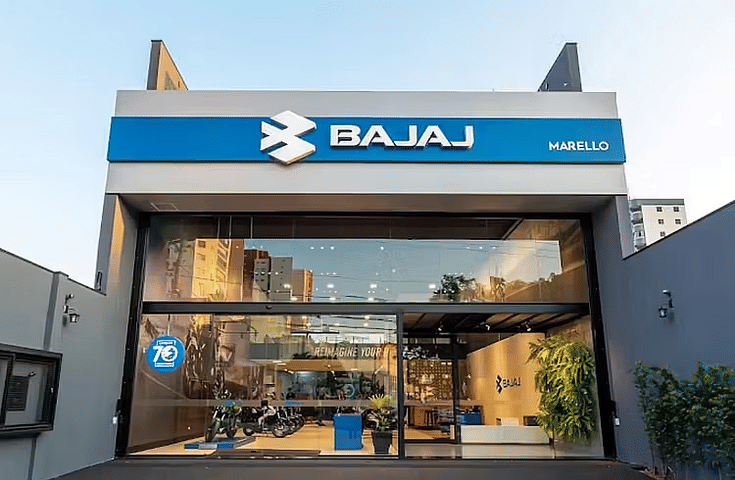
Photo by Angitha Suresh
Business Case Study on Bajaj Auto: A Timeless Example of Vision, Trust, and Business Growth Strategy
Introduction: Why This Business Case Study Matters
In today’s fast-changing business environment, survival is not guaranteed—even for legacy companies. This business case study on Bajaj Auto reveals how a traditional Indian brand reinvented itself to achieve global success.
From scooters dominating Indian roads to becoming one of the world’s leading motorcycle exporters, Bajaj Auto’s journey is a masterclass in business growth strategy, marketing strategy, and branding success.
In this case study, you’ll learn:
- How Bajaj Auto overcame stagnation and competition
- The bold strategic decisions that changed its trajectory
- Key lessons for startups and Indian entrepreneurs
Company Background: From Humble Beginnings to Industry Leader
Founder Story and Origins
Bajaj Auto traces its roots back to Jamnalal Bajaj, a freedom fighter and close associate of Mahatma Gandhi. The company was officially established in 1945 and began manufacturing two- and three-wheelers in India.
Later, leadership passed to Rahul Bajaj, who played a crucial role in expanding the company during India’s pre-liberalization era.
Initial Challenges
In its early years, Bajaj Auto faced:
- Limited industrial infrastructure in India
- Strict government regulations (License Raj)
- Dependency on foreign collaborations
Despite these constraints, Bajaj scooters like the iconic “Chetak” became household names.
Vision and Mission
Bajaj Auto aimed to provide:
- Affordable mobility solutions
- Reliable vehicles for Indian families
- Long-term value through durability
However, as the market evolved, this vision needed transformation.
The Core Problem: When Success Becomes a Limitation
By the late 1990s and early 2000s, Bajaj Auto faced a serious crisis.
1. Competition Problem
Global brands like Honda and Yamaha entered India with:
- Better technology
- Stylish motorcycles
- Strong branding
Consumers started shifting from scooters to motorcycles.
2. Branding Problem
Bajaj Auto was seen as:
- Traditional
- Outdated
- “Family scooter brand”
This image limited its appeal among young buyers.
3. Growth Problem
- Declining scooter demand
- Falling market share
- Lack of innovation
4. Marketing Problem
The company struggled to connect with:
- Youth audience
- Urban consumers
- Aspirational buyers
5. Strategic Confusion
Bajaj Auto was trying to:
- Maintain legacy products
- Compete with modern brands
This created internal inefficiencies.
The Turning Point: Bold Strategy and Reinvention
The real transformation began when Bajaj Auto decided to reinvent itself completely.
1. Leadership Decision
Under Rahul Bajaj and his team, the company made a bold move:
- Exit the scooter segment gradually
- Focus entirely on motorcycles
This was risky, but necessary.
2. Business Strategy Shift
Bajaj Auto repositioned itself as:
- A performance-driven motorcycle brand
- A youth-focused company
3. Branding Strategy: The Birth of “Pulsar”
The launch of the Pulsar series changed everything.
Key branding elements:
- Tagline: “Definitely Male”
- Focus on power, speed, and style
- Emotional connection with young riders
This was a turning point in branding success.
4. Marketing Strategy
Bajaj adopted aggressive and smart marketing:
- TV advertisements targeting youth
- Sports and performance-driven messaging
- Aspirational storytelling
Instead of selling a product, they sold a lifestyle.
5. Innovation and Product Development
- Invested heavily in R&D
- Introduced DTS-i engine technology
- Focused on fuel efficiency + performance
6. Global Expansion Strategy
Bajaj Auto expanded internationally:
- Export to over 70 countries
- Strong presence in Africa, Latin America, and Asia
7. Strategic Partnerships
Collaborated with global brands like:
- KTM
- Husqvarna
This improved:
- Technology
- Brand positioning
Results: Real Business Impact
The transformation delivered powerful results.
1. Revenue Growth
- Significant increase in motorcycle sales
- Export revenue became a major contributor
2. Customer Growth
- Strong appeal among young riders
- Expanded global customer base
3. Brand Recognition
Bajaj Auto transformed into:
- A modern, performance-oriented brand
- A global motorcycle leader
4. Market Success
- Became one of India’s top motorcycle manufacturers
- Among the largest exporters of two-wheelers
5. Expansion
- Strong international footprint
- Entry into premium motorcycle segment
6. Digital and Market Presence
- Strong online visibility
- Active engagement with youth audience
Pinehills Business Solutions Analysis
At Pinehills Business Solutions, we see Bajaj Auto as a perfect example of strategic reinvention.
Key Lessons for Businesses
1. Adapt or Become Irrelevant
Markets change fast. Holding onto old success can destroy future growth.
2. Rebranding is Powerful
A strong branding strategy can completely change customer perception.
3. Focus Matters
Bajaj succeeded by:
- Dropping weak segments
- Doubling down on strengths
4. Know Your Audience
Understanding youth psychology helped Bajaj dominate the market.
5. Innovation Drives Growth
Technology + design = long-term success.
Mistakes to Avoid
- Ignoring market trends
- Sticking to outdated products
- Weak brand positioning
- Lack of customer understanding
Smart Strategies to Follow
- Invest in R&D
- Build emotional branding
- Focus on niche strengths
- Expand globally at the right time
Advice for Startups and Indian Entrepreneurs
If you’re a startup or small business in India:
- Don’t fear change
- Build a strong brand identity
- Focus on customer experience
- Take calculated risks
This is one of the most valuable business tips for startups.
The Human Side: Risk, Emotion, and Determination
Behind every successful company is a story of struggle.
Bajaj Auto’s journey wasn’t easy:
- Letting go of the iconic scooter segment was emotional
- Facing global competition was intimidating
- Rebuilding brand identity required courage
But what stood out was:
- Strong leadership
- Willingness to take risks
- Long-term vision
This case reminds us: Great businesses are built on bold decisions and relentless effort.
Conclusion: Transform Your Business with the Right Strategy
The Bajaj Auto story proves that even legacy companies can achieve modern success with the right business growth strategy and marketing strategy.
If your business is struggling with:
- Branding issues
- Growth challenges
- Market competition
It’s time to rethink your strategy.
At Pinehills Business Solutions, we specialize in:
- Business consulting in India
- Branding and marketing strategies
- Growth planning for startups and SMEs
- School and academic business projects
- Event and business management
Ready to grow your business?
Connect with Pinehills Business Solutions today and turn your challenges into opportunities.
Your success story could be the next case study.