
The Effort-Money-Time Formula: Unlocking Sustainable Business Success in 2026
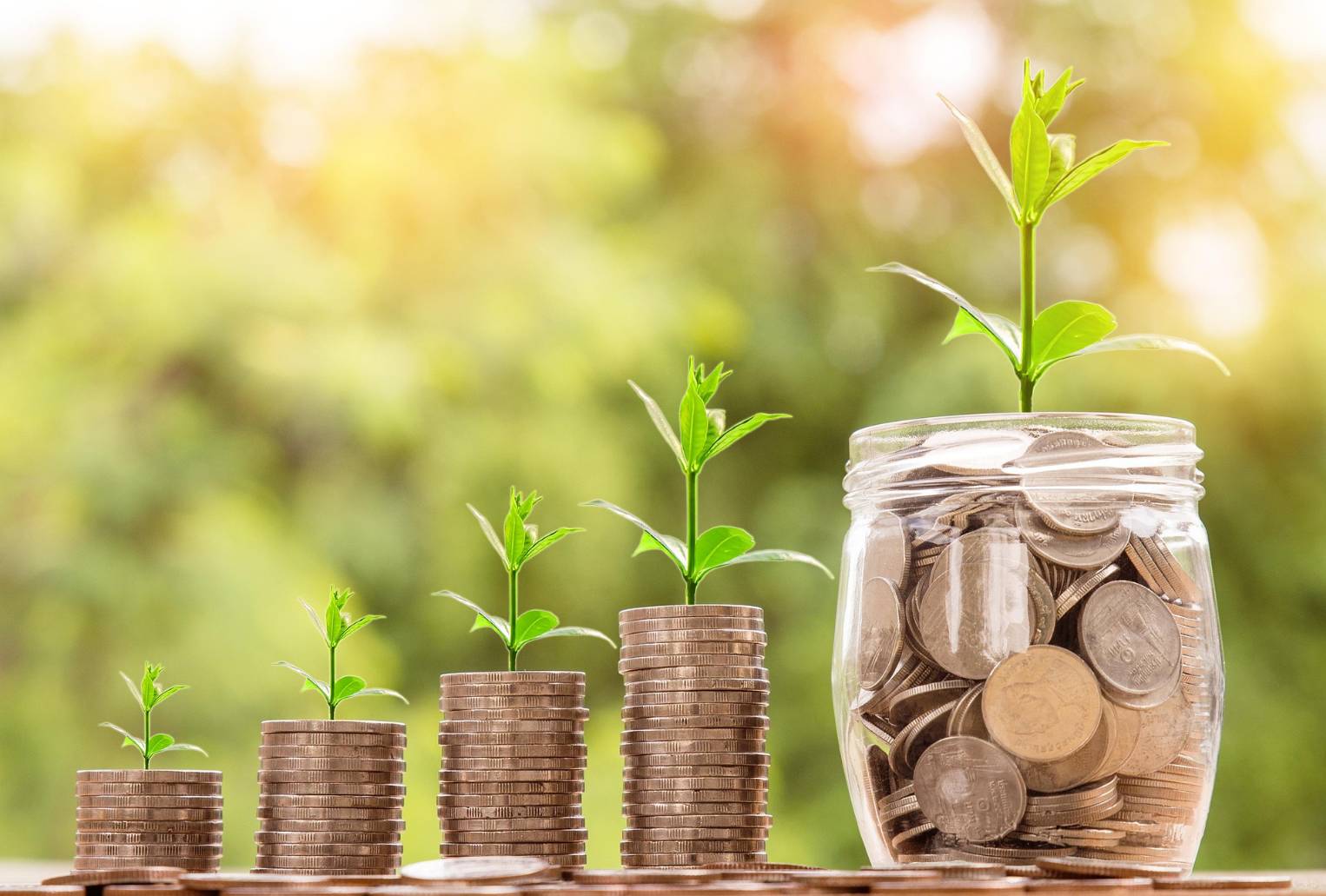
Photo by Nattanan Kanchanaprat
The Effort-Money-Time Formula: Unlocking Sustainable Business Success in 2026
In every phase of business history, one truth has remained constant: success is never accidental. As we move into 2026, this truth becomes even more relevant. Markets are faster, customers are more informed, and competition is no longer limited by geography. In this dynamic environment, businesses that grow sustainably are not the ones working the hardest or spending the most—but the ones that understand how to balance effort, money, and time.
The Effort–Money–Time formula is not a rigid equation. Instead, it’s a mindset that helps leaders make smarter decisions, avoid burnout, and build businesses that last. Let’s break down this formula and explore how it can unlock long-term success in 2026 and beyond.
Understanding the Effort–Money–Time Triangle
Imagine effort, money, and time as the three sides of a triangle. You can stretch one side, but the other two must adjust to maintain balance.
- Effort refers to human energy—skills, creativity, problem-solving, and leadership.
- Money includes capital, investments, tools, technology, and external resources.
- Time is the most limited resource—deadlines, speed to market, and long-term vision.
Many businesses fail because they over-rely on one side while ignoring the others. For example, pouring endless effort into manual processes without investing money in automation wastes time. Similarly, throwing money at problems without strategic effort leads to short-lived results.
Sustainable success in 2026 lies in knowing when to invest effort, when to spend money, and when to be patient with time.
Effort: From Hard Work to Smart Work
In the past, effort was often measured by long hours and constant hustle. In 2026, effort is about focus, expertise, and leverage.
Smart businesses are redefining effort in three key ways:
-
Skill-Based Effort
One hour of high-quality strategic thinking is more valuable than ten hours of unfocused work. Businesses are investing in upskilling teams, hiring specialists, and encouraging deep work over busy work. -
Creative Effort
Creativity is no longer limited to marketing teams. Whether it’s designing better customer journeys or finding innovative cost-saving methods, creative effort drives differentiation in crowded markets. -
Leadership Effort
Founders and managers are shifting from “doing everything” to building systems, empowering teams, and setting clear direction. This type of effort creates scalability.
In short, effort in 2026 is not about exhaustion—it’s about intentional action.
Money: Spending Wisely, Not Excessively
Money has always been a critical factor in business, but how it’s used matters more than how much you have.
In 2026, successful businesses view money as a multiplier, not a shortcut.
-
Investing in Technology
Automation tools, AI-driven analytics, and cloud platforms can significantly reduce manual effort and save time. A smart financial investment here creates long-term efficiency. -
Outsourcing vs. In-House
Instead of hiring large teams, businesses are outsourcing non-core tasks. This strategic spending allows internal teams to focus their effort where it matters most. -
Marketing with Measurement
Blind spending on ads is being replaced by data-backed marketing strategies. Every rupee or dollar spent is tracked for performance and ROI.
However, over-reliance on money without clear strategy often leads to dependency. The goal is not to spend more, but to spend with purpose.
Time: The Silent Power Behind Sustainability
Time is the most underestimated element of the formula. Many entrepreneurs either rush results or delay critical decisions—both of which can be costly.
In 2026, businesses that respect time do three things well:
-
They Play the Long Game
Brand building, customer trust, and market authority don’t happen overnight. Sustainable businesses align their expectations with realistic timelines. -
They Optimize Speed Where It Matters
While some results take time, others demand speed—like responding to customer feedback or adapting to market trends. Knowing the difference is a competitive advantage. -
They Avoid Time Traps
Endless meetings, unclear goals, and inefficient processes drain time. Smart leaders continuously audit where time is being wasted and fix it.
When time is managed intentionally, it amplifies both effort and money.
How the Formula Works in Real Life
Let’s look at a simple example.
A small business wants to increase online sales in 2026.
-
High Effort, Low Money, More Time
They create content organically, learn SEO, and build a community slowly. Results take time but are cost-effective and sustainable. -
Low Effort, High Money, Less Time
They run paid ads, hire agencies, and use advanced tools. Results are faster but require consistent investment. -
Balanced Approach (Ideal for Sustainability)
They invest money in tools, apply focused effort on strategy and content, and give the process time to mature. This creates steady growth without burnout.
The right combination depends on your goals, stage of business, and resources.
Why This Formula Matters More in 2026
Several trends make the Effort–Money–Time formula especially relevant in 2026:
- Rising competition means shortcuts are harder to sustain.
- Smarter customers expect value, authenticity, and consistency.
- Rapid technology changes reward businesses that adapt quickly but thoughtfully.
- Founder burnout is forcing leaders to rethink how they use effort and time.
Businesses that ignore balance may grow fast—but they rarely last.
Building Your 2026 Strategy Around the Formula
To apply this formula effectively, ask yourself three honest questions:
- Where is my effort currently going—and is it producing results?
- Am I spending money to solve the right problems or just quick ones?
- Am I being patient with long-term goals while acting fast on short-term priorities?
Your answers will reveal where adjustments are needed.
Final Thoughts: Balance Is the New Competitive Advantage
Sustainable business success in 2026 will not belong to the loudest brands or the biggest spenders. It will belong to those who master balance.
The Effort–Money–Time formula reminds us that growth is not about sacrificing one resource for another—it’s about aligning all three with clarity and intention. When effort is smart, money is strategic, and time is respected, businesses don’t just survive changing markets—they thrive in them.
As you plan for 2026, remember: success is not about doing more. It’s about doing what matters, with the right resources, at the right time.