
Maximizing ROI from Business Seminars: Insider Tips for Hosting High-Impact Events
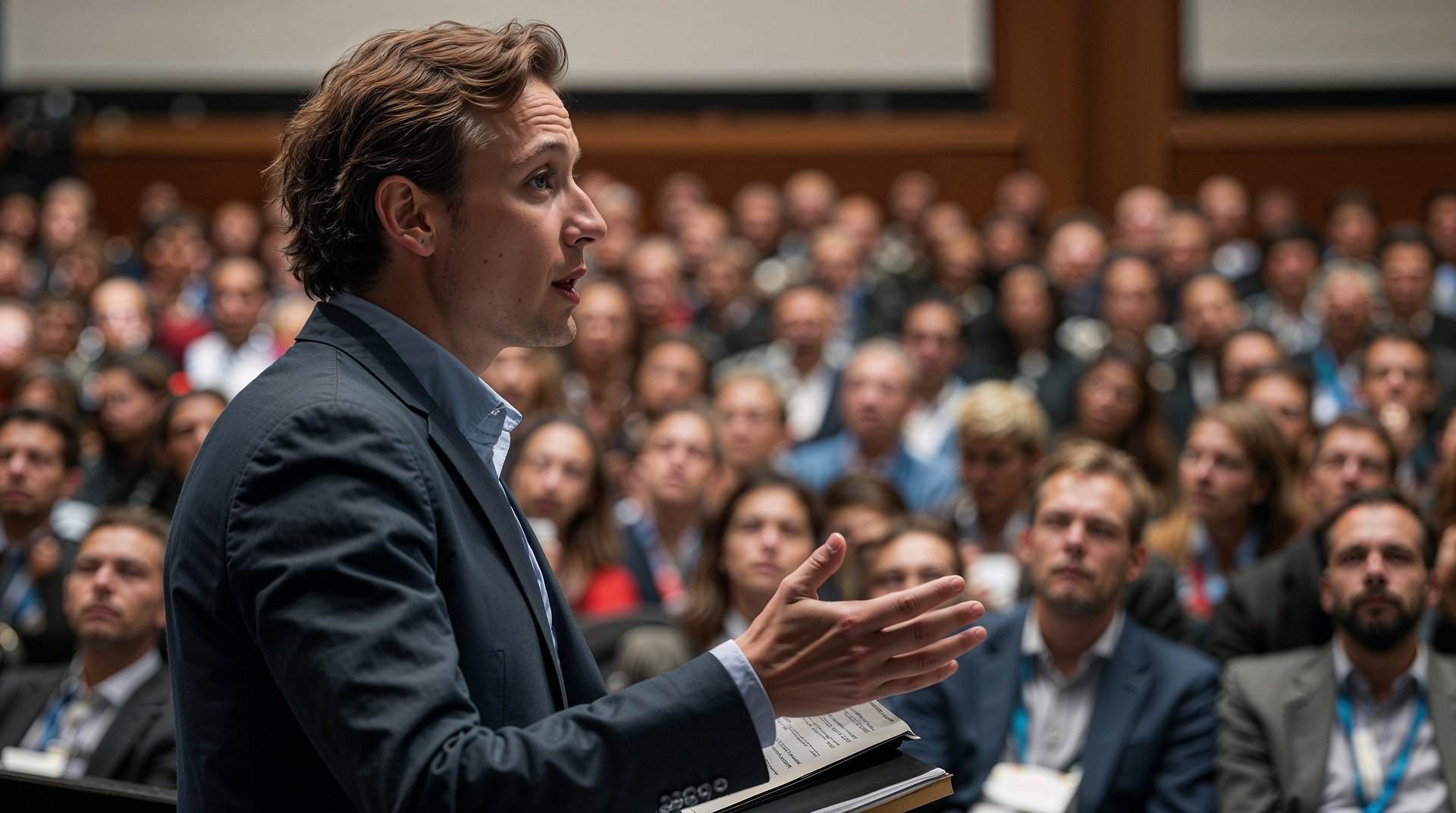
Photo by Gerd Altmann
Maximizing ROI from Business Seminars: Insider Tips for Hosting High-Impact Events
Business seminars have long been a powerful way to educate audiences, build authority, and generate high-quality leads. Yet many organizations still treat seminars as one-off events rather than strategic investments. The result? Packed rooms, polite applause—and little to show in terms of measurable returns.
Maximizing ROI from business seminars is not about spending more money or booking bigger venues. It’s about intentional planning, audience-centric design, and smart post-event execution. When done right, a single seminar can drive brand credibility, long-term relationships, and revenue that far exceeds the cost of hosting it.
Here’s how to turn your next business seminar into a high-impact, ROI-driven success.
1. Start with a Clear Business Objective
Before choosing a venue or designing invitations, get crystal clear on why you’re hosting the seminar. Many events fail because the objective is vague—“brand awareness” or “networking” alone isn’t enough.
Ask yourself:
- Is the goal lead generation?
- Customer education and retention?
- Product or service launches?
- Partnership building?
- Thought leadership positioning?
Each objective changes how you design the seminar, who you invite, what content you present, and how you measure success. A seminar meant to generate leads should prioritize registrations, follow-ups, and conversions, while a customer-focused seminar should emphasize value delivery and relationship building.
Clear goals are the foundation of measurable ROI.
2. Know Your Audience Better Than Ever
High-impact seminars are audience-first, not company-first. The more precisely you understand your attendees, the more relevant—and profitable—your event becomes.
Go beyond job titles. Understand:
- Their current challenges
- Their decision-making power
- Their industry pain points
- Their expectations from attending
Use surveys, CRM data, past event feedback, and sales team insights to shape your seminar. When attendees feel the event “speaks directly to them,” engagement increases—and so does the likelihood of post-event action.
Remember, relevance is the fastest path to ROI.
3. Design Content That Solves Real Problems
The biggest ROI killer in business seminars is overly promotional content. Attendees don’t come to hear sales pitches—they come for solutions.
High-impact seminar content should:
- Address real-world challenges
- Share practical frameworks or case studies
- Offer actionable takeaways
- Balance inspiration with implementation
Position your brand as a problem-solver, not a seller. Ironically, the less you sell on stage, the more people will want to engage with you afterward.
If your audience walks away thinking, “That was genuinely useful,” you’ve already won half the ROI battle.
4. Choose the Right Format for Engagement
Traditional lecture-style seminars are losing effectiveness. Today’s audiences expect interaction.
To boost ROI, consider:
- Panel discussions with diverse viewpoints
- Live Q&A sessions
- Interactive workshops or breakout rooms
- Audience polls and real-time feedback
- Case study walkthroughs
Engagement keeps energy high and attention focused, which directly impacts how well your message is remembered—and acted upon.
An engaged audience is far more likely to convert into leads, clients, or advocates.
5. Invest Smartly in Speakers and Moderators
Speakers can make or break your seminar. A well-known name can attract registrations, but relevance and delivery matter more than popularity.
Choose speakers who:
- Understand your audience
- Have real-world experience
- Can simplify complex ideas
- Encourage interaction, not monologues
A skilled moderator is equally important. They keep sessions on track, manage time, and ensure discussions stay valuable.
Think of speakers as ROI multipliers—not just line items in your budget.
6. Market the Seminar with Value, Not Hype
Even the best seminar fails without the right audience in the room. Promotion should focus on value, not just logistics.
Effective seminar marketing highlights:
- The problems attendees will solve
- The insights they’ll gain
- Who the seminar is specifically for
- What makes it different from others
Use a mix of channels—email marketing, social media, partner promotions, and personal invitations. Leverage early-bird offers or limited seating to create urgency without desperation.
Quality attendance beats quantity every time when ROI is the goal.
7. Optimize the On-Ground Experience
The seminar experience extends far beyond the stage. Every touchpoint influences perception and ROI.
Pay attention to:
- Smooth registration and check-in
- Clear signage and seating arrangements
- Audio-visual quality
- Time management
- Comfortable breaks and networking spaces
A seamless experience builds trust and professionalism. When attendees feel respected and valued, they’re more open to deeper engagement with your brand.
Details don’t just impress—they convert.
8. Capture Data and Insights in Real Time
If you’re not tracking data, you’re guessing ROI.
During the seminar, collect:
- Attendance vs. registrations
- Session engagement levels
- Poll responses
- Questions asked
- Feedback forms
Use digital tools, QR codes, and mobile-friendly surveys to make data collection effortless.
These insights help you measure success, improve future events, and tailor follow-ups for higher conversions.
9. Follow-Up Is Where ROI Is Actually Created
The biggest mistake most businesses make is ending their efforts when the seminar ends. In reality, ROI is unlocked after the event.
Effective post-seminar follow-up includes:
- Thank-you emails within 24–48 hours
- Session recordings or summaries
- Personalized outreach based on attendee interest
- Sales or consultation offers (subtle, relevant, and timely)
- Feedback requests
Segment your audience based on engagement and intent. A one-size-fits-all follow-up leaves money on the table.
Timely, thoughtful follow-up turns conversations into conversions.
10. Measure What Matters—and Improve Continuously
Finally, evaluate your seminar against the original objective.
Key ROI metrics may include:
- Cost per lead
- Conversion rates
- Revenue generated
- Brand engagement growth
- Customer retention or upsells
- Partnership opportunities created
Not every return is immediate or purely financial. Long-term brand equity, trust, and authority also contribute to ROI—especially in B2B environments.
Document lessons learned and apply them to your next seminar. Each event should perform better than the last.
Final Thoughts
Maximizing ROI from business seminars is less about grand gestures and more about strategic thinking. When seminars are designed with purpose, relevance, and follow-through, they become powerful growth engines rather than costly obligations.
A high-impact seminar educates, engages, and inspires action. It positions your brand as a trusted authority and creates relationships that extend far beyond the event hall.