
Business Case Study on State Bank of India (SBI): A Timeless Example of Vision, Trust, and Business Growth Strategy
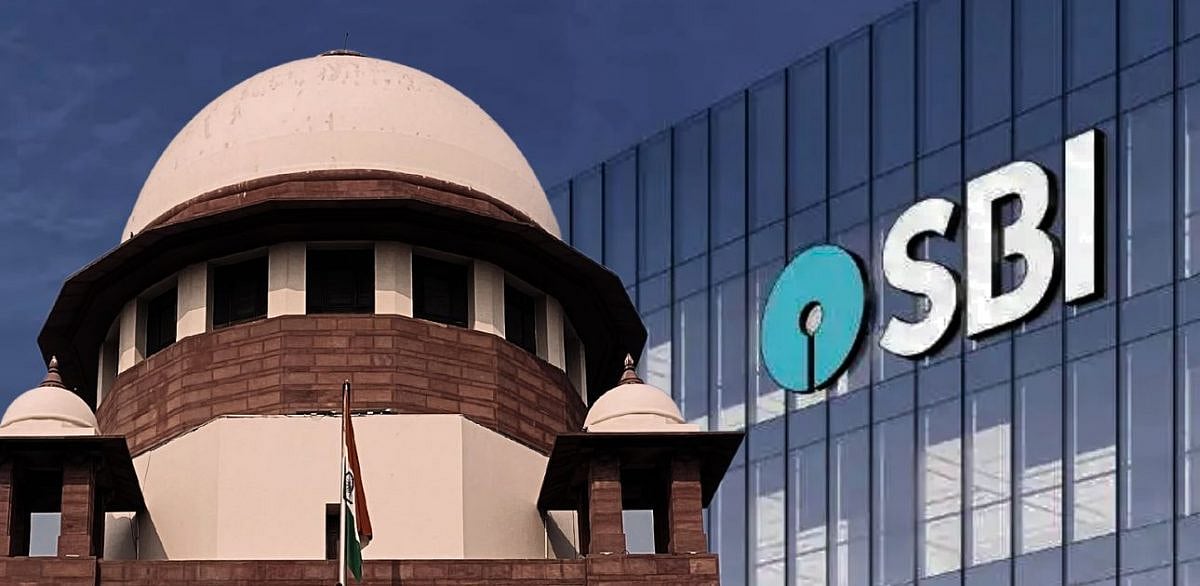
Photo by Arif Ayaz Parrey, Gursimran Kaur Bakshi
Business Case Study on State Bank of India (SBI): A Timeless Example of Vision, Trust, and Business Growth Strategy
Introduction
In the dynamic world of Indian banking, very few institutions have managed to balance legacy, trust, and innovation as effectively as State Bank of India. This business case study is not just about a bank—it is about resilience, strategic evolution, and how a traditional organization can thrive in a modern, competitive landscape.
At Pinehills Business Solutions, we believe every business—whether a startup, school project, or enterprise—can learn valuable lessons from real-world success stories. In this case study, you will discover SBI’s journey from its early roots to becoming India’s banking giant, the challenges it faced, the business growth strategy it adopted, and actionable insights for entrepreneurs and organizations across India.
Background of SBI
The Origin Story
The story of SBI dates back to 1806 with the establishment of the Bank of Calcutta. Over time, it evolved into the Imperial Bank of India and eventually became the State Bank of India in 1955 after nationalization.
Unlike startups with a single founder, SBI was built through institutional evolution, supported by the Government of India. Its mission was clear:
- Expand banking services across the country
- Build financial inclusion
- Support India’s economic growth
Vision and Mission
SBI’s vision has always been centered around trust, accessibility, and nationwide reach. Its mission focuses on:
- Providing reliable banking services
- Reaching rural and underserved areas
- Supporting individuals, businesses, and government initiatives
Initial Challenges
SBI faced several early challenges:
- Managing a vast and diverse customer base
- Limited technology infrastructure
- Operational inefficiencies in manual banking systems
- Serving rural populations with low financial literacy
Despite these hurdles, SBI laid a strong foundation that would later support its massive growth.
Key Problems and Struggles
Even as a dominant player, SBI encountered multiple challenges that tested its sustainability and competitiveness.
1. Marketing and Branding Problem
For years, SBI was seen as a “government bank”—reliable but slow and outdated. This perception impacted younger customers who preferred private banks.
2. Competition Pressure
Private banks like HDFC Bank and ICICI Bank introduced modern banking experiences, aggressive marketing strategies, and customer-centric services. SBI had to compete with faster, more tech-savvy rivals.
3. Technology Gap
Digital transformation was slow initially. SBI struggled with:
- Outdated systems
- Limited online banking capabilities
- Poor user experience
4. Management and Operational Challenges
Managing thousands of branches and employees across India created inefficiencies:
- Slow decision-making
- Bureaucratic processes
- Lack of agility
5. Growth and Customer Retention
With rising competition, retaining customers and attracting new ones became increasingly difficult.
The Turning Point: Strategy and Transformation
SBI’s real success lies in how it responded to these challenges with a powerful and well-planned business growth strategy.
1. Digital Transformation
SBI made a bold move toward digital banking with platforms like:
- YONO (You Only Need One) app
- Internet banking improvements
- Mobile-first services
This shift modernized the bank’s image and improved customer experience significantly.
2. Branding Reinvention
SBI rebranded itself from a “traditional bank” to a “trusted yet modern financial partner.”
- Updated logo and communication
- Youth-focused campaigns
- Strong digital presence
This led to improved branding success and wider acceptance among younger customers.
3. Customer-Centric Approach
SBI focused on improving customer service by:
- Reducing waiting times
- Enhancing digital support
- Offering personalized financial solutions
4. Strategic Mergers
One of the biggest leadership decisions was merging associate banks into SBI. This helped:
- Strengthen operational efficiency
- Increase market share
- Streamline services
5. Financial and Risk Management
SBI worked aggressively on reducing Non-Performing Assets (NPAs) and improving financial health through better risk management strategies.
Results and Real Impact
SBI’s transformation delivered powerful and measurable outcomes:
1. Massive Customer Growth
SBI became the largest bank in India with over 450 million customers.
2. Strong Digital Presence
- YONO app gained millions of users
- Increased online transactions
- Reduced dependency on physical branches
3. Revenue and Profit Growth
Improved operational efficiency and digital adoption boosted profitability over time.
4. Brand Recognition
SBI is now not just a bank—it is a symbol of trust, reliability, and innovation in India.
5. Nationwide Expansion
From metro cities to rural villages, SBI successfully expanded its reach across India.
Pinehills Business Solutions Analysis
At Pinehills Business Solutions, we analyze such case studies to extract actionable insights for businesses.
What Businesses Can Learn
-
Adapt or Fall Behind
Even a giant like SBI had to evolve. Change is not optional—it is necessary. -
Digital is the Future
Investing in digital platforms can transform customer experience and scalability. -
Brand Perception Matters
Your branding is not just your logo—it is how people feel about your business. -
Customer First Approach
Businesses that prioritize customer satisfaction always win in the long run.
Mistakes to Avoid
- Ignoring technological trends
- Being slow in decision-making
- Underestimating competitors
- Neglecting customer experience
Smart Strategies to Follow
- Invest early in digital transformation
- Build a strong, relatable brand identity
- Focus on long-term customer relationships
- Use data-driven decision making
Advice for Startups and Entrepreneurs
For Indian entrepreneurs and startups, SBI’s journey offers powerful lessons:
- Start with a clear vision
- Be ready to adapt and innovate
- Build trust before chasing profits
- Focus on scalability from day one
These business tips for startups are essential for sustainable growth in today’s competitive environment.
The Human Side of the Story
Behind SBI’s success lies a story of resilience and determination.
Imagine managing millions of customers across a country as diverse as India—different languages, cultures, and financial needs. The pressure, the risks, and the responsibility were immense.
SBI’s journey was not smooth. It faced criticism, operational struggles, and intense competition. But through continuous effort, strong leadership, and a willingness to change, it turned challenges into opportunities.
This is what real business success looks like—not perfection, but persistence.
Conclusion: A Legacy of Trust and Growth
The story of SBI is a perfect example of how a traditional organization can achieve modern success through innovation, strategy, and customer focus. This business case study highlights the importance of adapting to change, investing in technology, and building strong brand trust.
At Pinehills Business Solutions, we help businesses, startups, and institutions apply these proven strategies to achieve their own success stories.
🚀 Ready to Grow Your Business?
If you want expert guidance in:
- Business consulting India
- Branding and marketing strategy
- Business growth strategy
- School or college projects
- Event management and promotions
👉 Connect with Pinehills Business Solutions today and take the first step toward building a powerful and successful business.
Your growth story could be the next case study we write.