
The Hidden Cost of DIY Marketing for Indian MSMEs
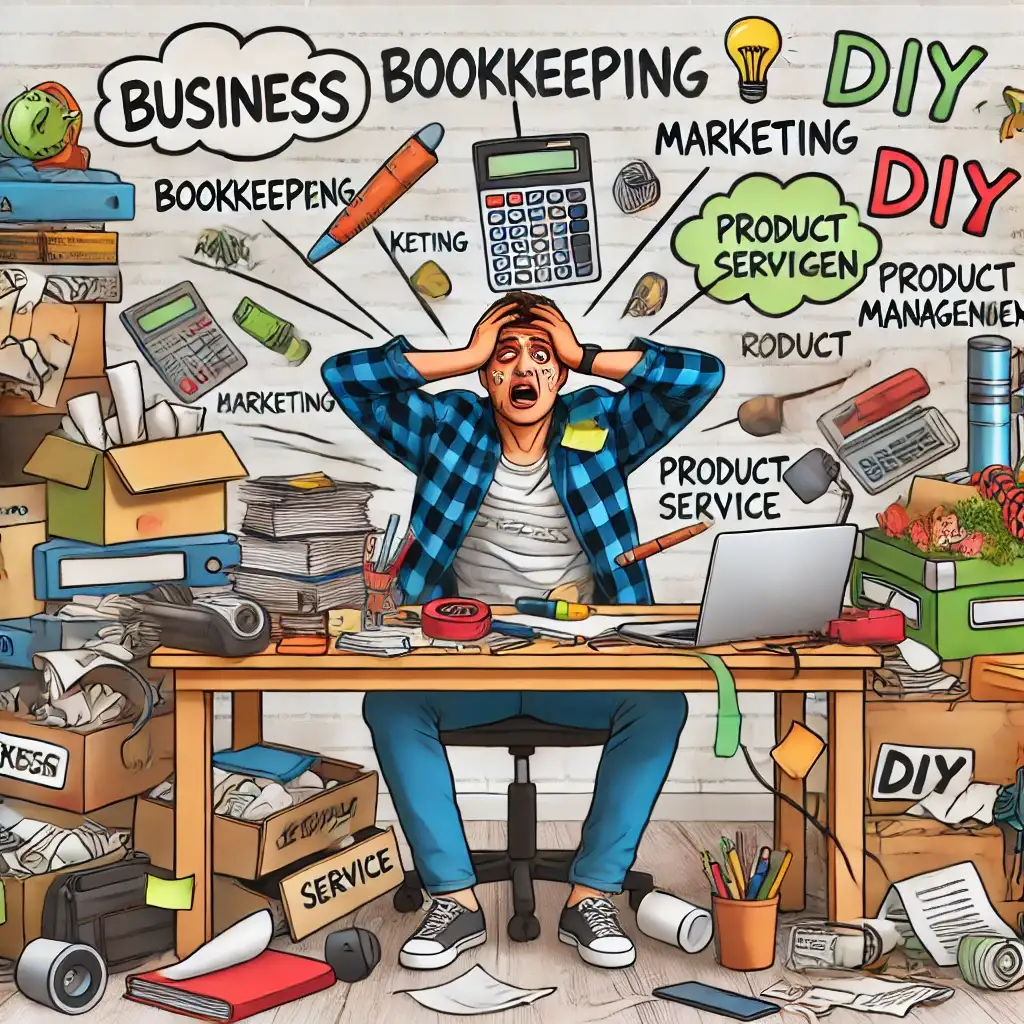
Photo by Christian Abella
The Hidden Cost of DIY Marketing for Indian MSMEs
In the bustling marketplace of India’s small towns and growing urban centres, Micro, Small and Medium Enterprises (MSMEs) are often hailed as engines of economic growth. From street-side seamstresses to tech start-ups in co-working spaces, these businesses are vibrant and innovative. Yet in their quest to reach customers and grow, many fall into a common trap — DIY marketing. On the surface, doing your own marketing seems smart: it’s low-cost, feels flexible, and gives business owners direct control. But beneath the surface lies a set of hidden costs that can slow growth, drain resources, and sometimes derail the very business the owner is trying to build.
Why DIY Marketing Appeals to MSMEs
For most Indian MSMEs, the idea of hiring a professional marketing agency or specialist feels like a luxury. With limited budgets and tighter margins, the goal is often to save every rupee possible. When social media platforms such as Instagram, Facebook, and WhatsApp provide free business pages and tools, it’s easy for a business owner to think, “Why not handle this myself?”
At first glance, DIY marketing seems affordable. There’s no monthly retainers, no agency fees, no formal contracts. You can post content whenever you want, respond to customers immediately, and tailor messages on the fly. It feels empowering and personal. But relying on intuition and trial-and-error instead of proven strategy can cost more than you think.
The Time Drain: More Costly Than Money
Time is often the most under-appreciated resource in business — especially for MSME owners who wear multiple hats. When the business owner becomes the marketer, social media manager, content creator, ad specialist, and analytics expert all at once, the hours quickly add up.
Many MSME owners underestimate how time-consuming real marketing can be. Researching trends, creating graphics, writing captions, tracking performance, and learning platform algorithms — these tasks may take hours each week. And that’s time taken away from core business functions: product development, delivery, customer service, and quality control.
In economic terms, this time might be better spent doing revenue-generating activities. The hidden cost here is opportunity cost — the revenue you could have earned had your attention been elsewhere.
The Quality Gap: Professional vs. Amateur Output
Marketing is both an art and a science. Professional marketers design campaigns backed by consumer research, understand advanced targeting tools, and know how to track performance to make improvements. DIY efforts, even with enthusiasm and creativity, often lack the depth and strategic thinking required to create meaningful impact.
For example, many MSME owners post content without understanding their audience’s behaviour patterns — what times they engage most, what style of content resonates, or which platform drives sales. What results from this are posts that feel like noise instead of driving traffic or conversions.
Poor quality marketing doesn’t just fail to help — it can harm brand perception. Misspelled captions, inconsistent visuals, or messaging that doesn’t align with your brand can erode trust. In today’s competitive digital world, perception matters — and first impressions can make or break consumer interest.
Incomplete Metrics and Misleading Data
One big appeal of digital marketing is the data — likes, shares, impressions, click-through rates, and more. DIY marketers often fixate on superficial metrics like likes and followers. But these vanity metrics don’t directly translate to business growth.
Professionals look at deeper metrics — conversion rates, cost per acquisition, customer lifetime value, and return on ad spend (ROAS). Without understanding these, MSME owners can misinterpret their efforts. For example, a post might get 500 likes but not a single sale. That signals engagement without revenue, a classic pitfall of amateur marketing.
The hidden cost here lies in misallocation of resources. You might continue investing time and money into tactics that look good on paper but don’t contribute to your bottom line.
Burnout: The Emotional Toll
DIY marketing isn’t just a business decision — it’s a personal commitment that can cause stress and burnout. As MSME owners juggle responsibilities, taking on marketing adds emotional and mental load. The constant pressure to stay active on social media, keep up with trends, and be creative can exhaust even the most passionate entrepreneur.
Burnout doesn’t just reduce productivity — it reduces joy and passion for your business. Over time, this can lead to poor decision-making, loss of motivation, and in some cases, business stagnation.
Hidden Financial Costs of Poor Targeting
Although social platforms allow you to run ads on small budgets, inexperienced marketers can waste money quickly. Without proper audience targeting, bidding strategy, and budget planning, ad spend can be inefficient. A ₹500 spend on ads might generate no relevant leads, yet the owner still pays for it.
In contrast, professionals can optimize campaigns to get better results from the same budget. The hidden cost here is inefficiency — spending on ads that don’t convert and missing opportunities to reach customers who would have bought your product or service.
The Learning Curve Is Longer Than You Think
Many MSME owners start DIY marketing thinking they can learn as they go. There is value in learning new skills, and some owners can eventually become competent marketers. But marketing trends change rapidly — algorithms update, new platforms emerge, customer behaviour evolves.
Keeping up with this requires continuous learning. Without a learning plan, knowledge gaps persist, and efforts stagnate. For MSMEs operating with limited bandwidth, this ongoing learning requirement becomes an expensive investment in time, energy, and patience.
Why Professional Marketing Can Be Worth It
When a business reaches a certain level of maturity, the shift from DIY to professional marketing often delivers significant returns. Here’s why:
1. Strategic Focus: Professionals build a roadmap based on research and measurable goals.
2. Efficient Budget Management: Expert marketers optimize ad spend for actual returns, not just visibility.
3. Better Creative Execution: Designs, messaging, and content that resonate on a deeper level.
4. Data-Driven Decisions: A focus on metrics that reflect business impact, not vanity metrics.
5. Time Freed Up: Owners can focus on what they do best — managing and growing the business.
Balanced Approach: When DIY Makes Sense — and When It Doesn’t
It’s not that DIY marketing is always bad. For micro MSMEs just starting out, experimenting with basic posts, establishing an online presence, and learning customer preferences can be valuable. But as the business grows, scaling with strategy becomes essential.
A balanced approach might involve combining DIY tactics with professional support:
- Outsource strategy and planning
- Create content internally with guidelines
- Use professionals for paid advertising and analytics
- Track results collaboratively
This allows MSME owners to maintain control over the brand while benefiting from expert skills where it matters most.
Conclusion: Invest Wisely, Not Cheaply
DIY marketing may appear inexpensive, but it comes with hidden costs most MSME owners don’t immediately recognise — time drain, quality gaps, emotional burnout, inefficient spending, and missed opportunities. These costs can quietly erode growth and divert attention from core business needs.
Instead of viewing marketing as a cost to minimise, it should be viewed as an investment to optimize. Wise investment in marketing — whether through learning, collaboration, or professional help — can transform an MSME from a local concern into a recognised brand with scalable growth.
In the modern business landscape, marketing isn’t a luxury — it’s a necessary engine for success. And like any engine, it runs best when built, tuned, and maintained by experts.