
The Rise of Web3 in Business: NFTs and Blockchain for Startups
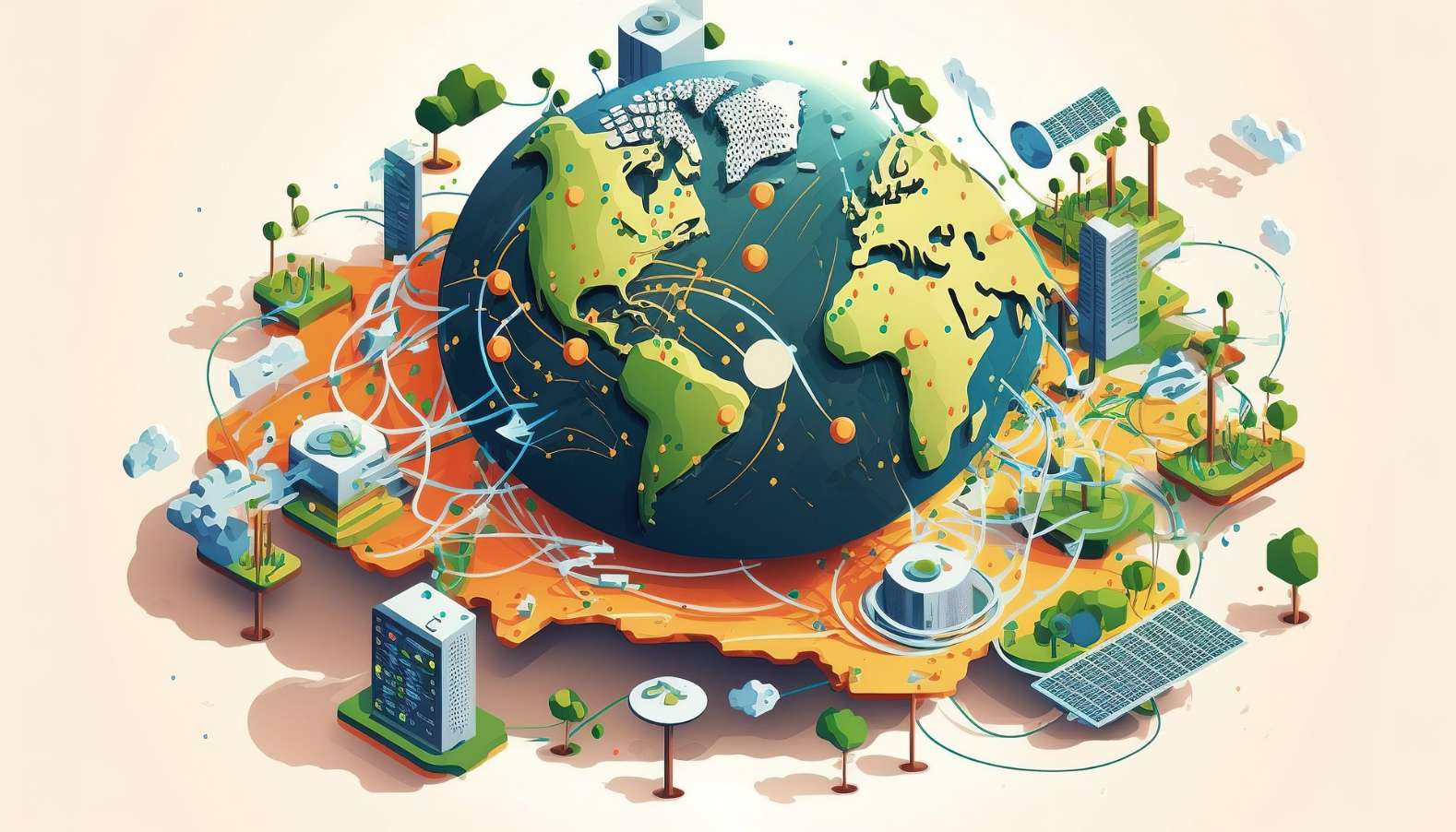
Photo by Kohji Asakawa
The Rise of Web3 in Business: NFTs and Blockchain for Startups
In the last few years, a major transformation has swept across the digital landscape — one that is reshaping the way businesses think about value, ownership, and consumer engagement. This shift is led by Web3, a decentralized internet powered by blockchain technology, where transparency, user ownership, and digital assets reign supreme. For startups, Web3 isn’t just a buzzword — it represents a world of opportunity where innovation, new business models, and fresh revenue streams converge. At the heart of this revolution are two intertwined concepts: blockchain and NFTs (Non-Fungible Tokens). But what exactly is driving their rise, and why should startups care?
Understanding Web3: A New Internet Era
Before diving into how startups can leverage Web3, it’s important to understand what it actually is. Web3 represents the next generation of the internet — one that is decentralized, user-controlled, and built on blockchain technology. Unlike the current web (Web2), where data and power are concentrated in the hands of a few tech giants, Web3 distributes control, giving users ownership over their data, identities, and digital assets.
In practical terms, Web3 aims to eliminate intermediaries, foster trustless interactions, and create ecosystems where participants are rewarded for their contributions. This shift aligns perfectly with the rise of digital communities, creator economies, and borderless virtual commerce.
Blockchain: The Backbone of Web3
At its core, blockchain technology is a distributed ledger that records transactions securely and transparently across a network of computers. Each block of data is cryptographically linked to the next, making it nearly impossible to alter information once it’s been recorded.
For startups, blockchain offers a range of advantages:
1. Transparency and Trust
Transactions recorded on the blockchain are visible to all participants, reducing the need for traditional trust mechanisms. For businesses handling sensitive data or financial transactions, this opens doors to more secure and verifiable processes.
2. Decentralization
Startups can build platforms where no single entity has full control. This democratizes decision-making and lowers the barrier to entry for users who may otherwise be excluded from traditional systems.
3. Reduced Costs
By eliminating intermediaries like payment processors or centralized marketplaces, blockchain can reduce operational costs. This is especially valuable for early-stage startups operating with limited budgets.
4. Programmable Contracts
Smart contracts — self-executing agreements coded on the blockchain — automate tasks like payments, royalties, and access rights. These programmable contracts can save time and reduce disputes.
NFTs: More than Digital Art
When NFTs first emerged, they were primarily associated with digital art and collectibles. While high-profile sales grabbed media headlines, the true potential of NFTs extends far beyond JPEGs.
An NFT is essentially a unique digital token stored on the blockchain. Unlike cryptocurrencies such as Bitcoin or Ethereum, which are fungible (interchangeable), NFTs carry individual characteristics that make them one-of-a-kind. This uniqueness allows digital assets to be owned, bought, sold, and traded in verifiable ways.
Here’s why NFTs matter for business:
1. Digital Ownership
NFTs provide irrefutable proof of ownership and provenance. Whether it’s music, a virtual asset, or a digital ticket, owners can confidently verify the authenticity and history of their item.
2. Monetization for Creators
For artists, musicians, and creators, NFTs open new revenue streams. Startups can build platforms that empower creators to mint and sell their work without relying on traditional gatekeepers like galleries or record labels.
3. Community Engagement
NFTs can act as membership badges or loyalty tokens. Brands can offer exclusive perks to NFT holders — from special content to real-world event access — fostering deeper community engagement.
4. Programmable Royalties
Smart contracts embedded in NFTs allow creators to earn royalties automatically every time their asset is resold. This ensures ongoing compensation long after the initial sale.
Startups Embracing Web3: Real-World Use Cases
Across industries, startups are already leveraging Web3, blockchain, and NFTs to create innovative solutions. Here are a few inspiring examples:
1. Decentralized Finance (DeFi) Platforms
DeFi startups are reinventing traditional financial services like lending, borrowing, and asset management without central banks or intermediaries. Using blockchain-powered protocols, users can access financial tools with greater transparency and lower fees.
2. NFT Marketplaces
Platforms such as OpenSea and Rarible have created digital marketplaces where NFTs can be minted, bought, and sold. Startups can specialize in niche markets like gaming assets, music rights, or educational credentials.
3. Tokenized Communities
Some startups are building communities around exclusive NFT-backed tokens that grant members access to curated experiences, decision-making rights, or profit-sharing mechanisms. These models foster loyalty and align incentives between founders and users.
4. Supply Chain Transparency
Blockchain allows startups to trace products from origin to consumer. In industries like fashion or food, where sustainability and authenticity matter, transparent tracking systems build trust and differentiate brands.
5. Virtual Real Estate and the Metaverse
Startups are buying, selling, and developing virtual land in metaverse environments. NFTs represent ownership of digital parcels, and businesses are monetizing experiences like virtual concerts, stores, and gallery exhibitions.
Challenges Facing Web3 Adoption
Despite its promise, Web3 is not without challenges — especially for startups looking to dive in:
1. Technical Complexity
Building blockchain-based solutions requires specialized technical skills. This can be a barrier for early-stage founders lacking resources or expertise.
2. Regulatory Uncertainty
Regulations around cryptocurrencies, tokens, and digital assets vary widely across countries. Startups must navigate legal frameworks to ensure compliance, which can be time-consuming and costly.
3. User Experience
Many blockchain platforms still suffer from convoluted interfaces and slow transaction speeds. For Web3 to gain mainstream adoption, startups must prioritize intuitive user experiences.
4. Environmental Concerns
Some blockchain networks consume significant energy. While newer protocols are addressing these concerns through energy-efficient consensus mechanisms, environmental impact remains a topic of discussion.
Why Startups Should Embrace Web3 Now
While challenges exist, startups that embrace Web3 early are positioning themselves at the forefront of innovation. Here’s why:
1. First-Mover Advantage
Web3 is still in its infancy. Startups that build robust ecosystems now can establish loyal user bases and thought leadership before markets become crowded.
2. New Business Models
Web3 unlocks revenue opportunities that traditional businesses can’t easily replicate. Whether through token economies, decentralized governance, or NFT-based monetization, startups can reimagine value creation.
3. Community-Centric Growth
Web3 incentivizes active participation. Startups can transform users from passive consumers into contributors and co-creators, fostering a sense of ownership and shared purpose.
4. Cross-Border Reach
Blockchain is inherently global. Startups can access international users and markets without relying on traditional financial or geographic barriers.
Looking Ahead: The Future of Web3 in Business
As Web3 continues to evolve, its influence on business will only grow stronger. Mainstream adoption may still be around the corner, but the trajectory is clear: decentralization, digital ownership, and transparent systems are becoming core expectations.
For startups, this means rethinking how value is created, exchanged, and perceived. Those that experiment with blockchain and NFTs now — learning, iterating, and building resilient ecosystems — will be the ones shaping tomorrow’s digital economy.
Web3 isn’t just a technological upgrade; it’s a paradigm shift that empowers creators, rewards communities, and democratizes access. For startups ready to embrace change, the future holds unlimited potential.
Conclusion
The rise of Web3, powered by blockchain and NFTs, marks a transformative era for business. More than technological innovation, it represents a cultural and economic shift towards decentralization, ownership, and community-driven success. For startups eager to innovate, collaborate, and disrupt, Web3 offers not just tools — but a new way of building meaningful, sustainable value in a connected world.