
Offline Promotion Tactics That Complement Digital Marketing
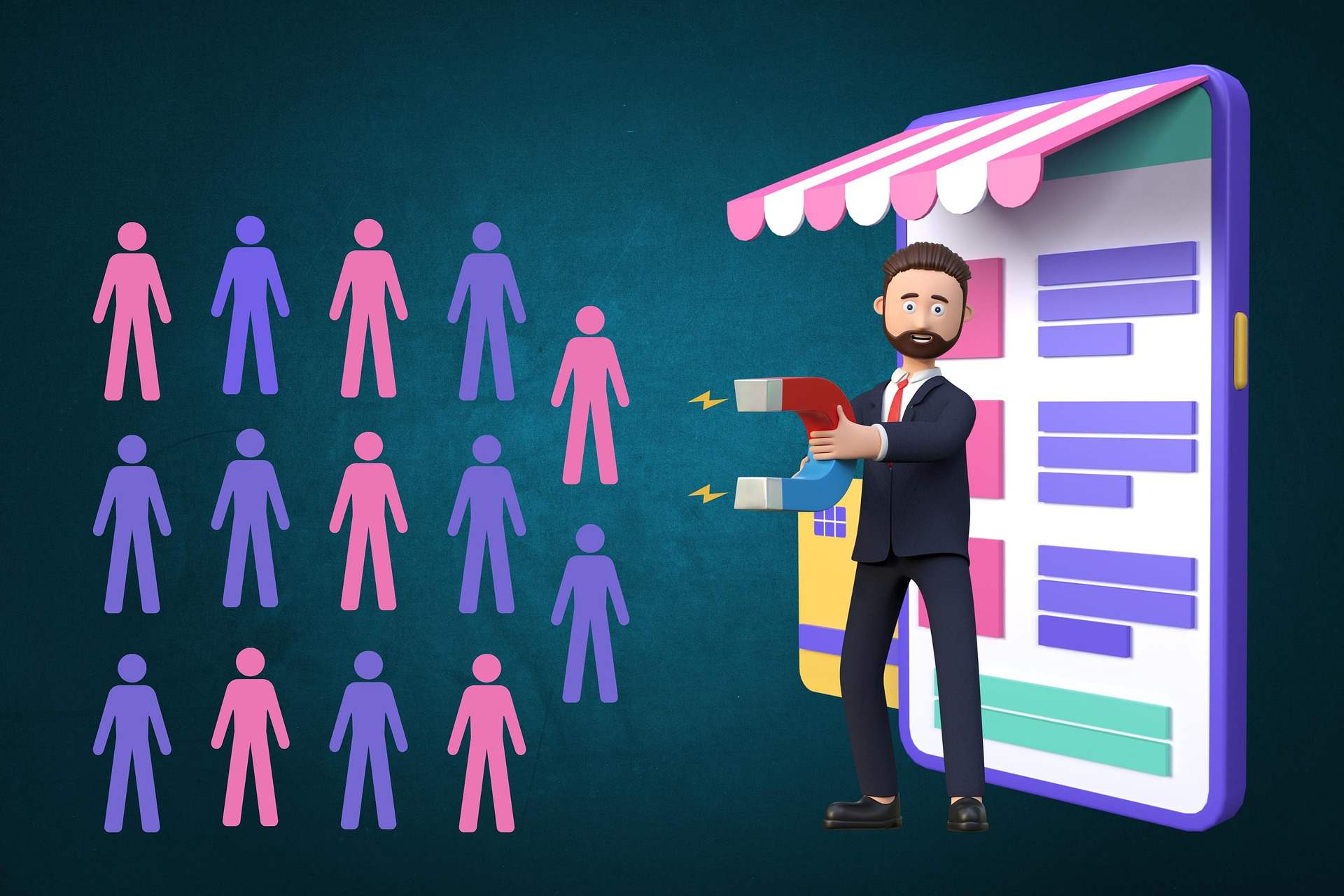
Photo by Parveender Lamba
Offline Promotion Tactics That Complement Digital Marketing
In a world dominated by social media ads, email campaigns, SEO, and influencer marketing, it’s easy to assume that offline promotion no longer matters. But the truth is quite the opposite. While digital marketing helps brands reach audiences quickly and at scale, offline promotion adds a layer of trust, memorability, and personal connection that digital channels often struggle to achieve on their own.
The most successful brands today don’t choose between online and offline marketing—they combine them. When done right, offline promotion tactics can strengthen your digital marketing efforts, amplify brand recall, and drive more meaningful engagement. Let’s explore how offline marketing still plays a vital role and which tactics work best alongside your digital strategy.
Why Offline Promotion Still Matters
Digital marketing excels at targeting, tracking, and automation. However, it also faces challenges like ad fatigue, banner blindness, and declining attention spans. Offline promotions cut through this noise by creating real-world experiences that people can see, touch, and remember.
Offline tactics:
- Build stronger brand credibility
- Create emotional and sensory connections
- Reach audiences who are less active online
- Reinforce digital messages through repetition
When offline and online efforts align, your brand feels consistent, trustworthy, and omnipresent.
1. Print Marketing with a Digital Twist
Print marketing is far from dead—it has simply evolved. Brochures, flyers, business cards, and posters are still powerful tools when integrated with digital elements.
Adding QR codes, social media handles, or website URLs to printed materials encourages offline audiences to engage online. For example, a flyer promoting a discount can include a QR code that leads to a landing page or Instagram profile. This bridges the gap between physical interaction and digital conversion.
High-quality print materials also enhance brand perception. A well-designed brochure or premium business card can leave a lasting impression that a digital ad might not.
2. Events, Trade Shows, and Exhibitions
Nothing replaces face-to-face interaction. Events allow brands to engage audiences in real time, answer questions, and build trust instantly.
Offline events complement digital marketing by:
- Generating content for social media and websites
- Encouraging live posting, tagging, and check-ins
- Collecting leads that can be nurtured online later
Pre-event digital promotion builds anticipation, while post-event email campaigns and retargeting ads keep the conversation going. When both channels work together, events become powerful growth tools rather than one-time interactions.
3. Branded Merchandise and Giveaways
Branded merchandise such as notebooks, tote bags, mugs, pens, or T-shirts keeps your brand visible long after an interaction ends. Unlike digital ads that disappear in seconds, physical items stay with customers for months or even years.
When merchandise includes your website, hashtag, or social handle, it continuously drives offline-to-online traffic. Giveaways also work exceptionally well when paired with digital campaigns—such as asking people to follow your page, tag friends, or sign up online to participate.
This creates a loop where offline visibility fuels online engagement.
4. Local Partnerships and Community Engagement
Collaborating with local businesses, schools, gyms, cafés, or community organizations helps brands reach highly relevant audiences. Sponsoring local events, supporting social initiatives, or co-hosting workshops builds goodwill and credibility.
These offline activities strengthen digital marketing by:
- Providing authentic stories for social media
- Improving local brand recognition
- Encouraging user-generated content and reviews
Community engagement humanizes your brand and creates emotional connections that digital ads alone cannot achieve.
5. Outdoor Advertising That Supports Digital Campaigns
Billboards, hoardings, transit ads, and posters still command attention, especially in high-traffic areas. While they don’t offer direct clicks, they significantly boost brand recall.
Outdoor advertising works best when aligned with digital messaging. For instance, running a billboard campaign alongside Google or social ads reinforces recognition. When people see your brand offline and then encounter it again online, trust and familiarity increase—making them more likely to convert.
Simple messaging, bold visuals, and a clear call-to-action such as a website or hashtag ensure your offline ads support your online goals.
6. Direct Mail with Personalization
Direct mail has made a surprising comeback. Personalized postcards, letters, or catalogs feel more intimate than email, which is often ignored or deleted.
Modern direct mail becomes even more powerful when paired with digital tracking tools. Personalized URLs, QR codes, or exclusive online offers help measure response rates and guide recipients to digital platforms.
When done thoughtfully, direct mail feels less like advertising and more like a personal invitation.
7. Word-of-Mouth and Referral Programs
Offline word-of-mouth remains one of the most trusted forms of marketing. People are far more likely to trust recommendations from friends, family, or colleagues than paid ads.
Encouraging referrals through offline interactions—such as in-store conversations, events, or networking—can be amplified digitally. Referral codes, online reward tracking, and social sharing tools help scale what starts offline into a measurable digital campaign.
8. In-Store Experiences and Physical Touchpoints
For retail and service-based businesses, in-store experiences play a major role in supporting digital marketing. Signage promoting social media pages, digital screens displaying online reviews, and staff encouraging customers to leave feedback online all help integrate offline and online channels.
An excellent offline experience often leads to positive online reviews, social shares, and repeat digital engagement—creating a full-circle marketing effect.
Aligning Offline and Online for Maximum Impact
The key to success is consistency. Your offline messaging should match your digital tone, visuals, and values. When customers see the same brand story across billboards, brochures, social media, and websites, it builds trust and recognition.
Planning campaigns together—rather than separately—ensures that offline promotions don’t exist in isolation but actively strengthen your digital strategy.
Conclusion
Offline promotion is not a replacement for digital marketing—it is its strongest ally. In an increasingly digital world, real-world interactions stand out more than ever. By combining tactile experiences, human connections, and local presence with data-driven digital strategies, brands can create deeper relationships and stronger results.
The future of marketing doesn’t belong to online or offline alone. It belongs to businesses that understand how to blend both seamlessly—creating experiences that people remember, trust, and engage with across every channel.