
Packaging and Label Design Trends for Product Brands in 2025
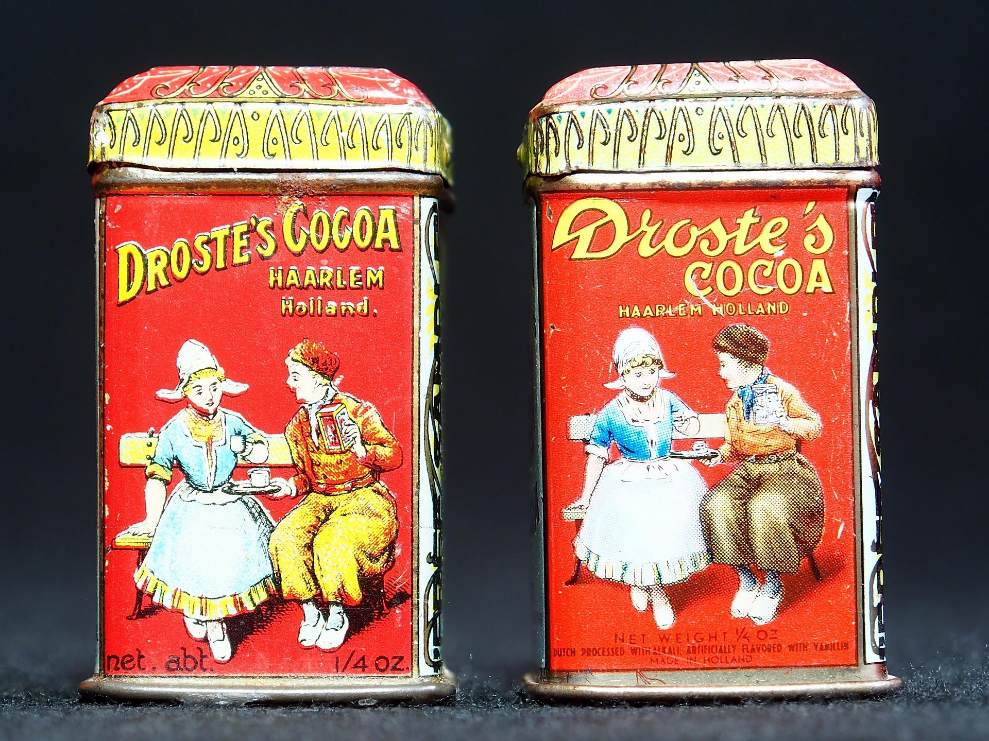
Photo by WikimediaImages
Packaging and Label Design Trends for Product Brands in 2025
In a world where first impressions matter more than ever, packaging and label design have evolved from being merely functional to becoming pivotal touchpoints in the customer journey. With 2025 on the horizon, brands are adapting rapidly to cultural shifts, sustainability demands, and digital integration—transforming packaging into a strategic asset that tells a story, resonates emotionally, and drives purchasing decisions. So, what are the packaging and label design trends shaping the future? Let’s dive into the biggest movements in 2025.
1. Sustainability Is No Longer Optional — It’s Expected
By 2025, sustainability has moved from being a differentiator to a baseline expectation. Consumers today not only want eco-friendly products, they expect brands to walk the talk. Packaging that uses recycled and recyclable materials, minimal plastics, and upcycled components is now mainstream.
But it’s not just about materials. Brands are embracing circular design principles, structuring packaging so it can be reused, repaired, or repurposed. Examples include refillable pouches, modular containers, and packaging made for secondary use (like storage boxes or plant pots).
This trend isn’t just ethical—it influences sales. Studies show consumers are willing to pay more for brands with responsible packaging. In 2025, sustainability simply equals credibility.
2. Minimalism Meets Maximum Messaging
Clean design has stood the test of time, but in 2025, minimalism has a deeper purpose: clarity and authenticity.
Rather than overwhelming customers with loud graphics and lengthy descriptions, brands are trimming the visual noise in favor of bold typography, ample white space, and straightforward messaging. This trend reflects broader lifestyle movements toward simplicity and mental clarity.
Minimal labels communicate confidence—they don’t hide behind gimmicks. Instead, they rely on smart use of fonts, contrasts, and essential information that instantly conveys brand values and product purpose. For many brands, less truly is more.
3. Localized Design With a Global Heartbeat
Globalized flavors and cultural crossovers are shaping packaging design in fascinating ways. Brands are embracing cultural authenticity by incorporating local patterns, artistic techniques, and language nuances into their labels.
Rather than adopting a one-size-fits-all aesthetic, global brands are tailoring packaging to resonate with regional identities. For example, a beverage brand might feature indigenous artwork in one country and different visual motifs in another—while keeping a unifying global brand signature.
This trend does more than enhance aesthetics; it builds emotional connection. When customers see elements that reflect their heritage or local identity, brands feel more personal and relevant.
4. Bold Colors and Unexpected Palettes
Gone are the days when safe, generic colors dominated shelf space. In 2025, bold and expressive palettes are making a strong comeback. Think vibrant neons paired with earthy tones, gradient blends that shift under different lights, and color stories that evoke emotion or signal product benefits (e.g., calming blues for wellness products).
Color is increasingly used as a brand differentiator—not just decoration. Ai-driven trend forecasting tools are helping designers predict which hues will best resonate with target demographics, and augmented reality (AR) previews allow teams to see how colors perform in real retail environments before production.
5. Typography That Speaks Louder Than Graphics
Typography has become a powerful protagonist in packaging design. Strong, expressive typefaces now carry tone of voice, brand personality, and even product benefits more effectively than complex graphics.
In 2025, designers are experimenting with hand-drawn fonts, variable typefaces, and dynamic hierarchies—allowing tiny labels to convey big emotions. A bold uppercase typeface might reflect confidence and strength, while a curved handwritten script can suggest warmth and craft.
This trend is especially strong among indie brands seeking distinctiveness in crowded markets.
6. Smart Packaging: Where Digital Meets Physical
The future of packaging isn’t just visual—it’s interactive. Smart packaging technologies are reshaping how consumers engage with physical products.
Elements like QR codes, NFC chips, and AR experiences are now standard tools brands use to create deeper connections. A wine bottle might unlock a virtual tasting through AR; a skincare jar might provide interactive ingredient information with a simple tap.
These digital layers turn passive packaging into a gateway for storytelling, education, and community building—all without cluttering the physical design.
7. Transparency and Ingredient Honesty
Transparency has become a non-negotiable trend. Shoppers increasingly want to know exactly what’s inside a product and how it was made.
Packaging in 2025 reflects this demand through clearer labeling of ingredients, sourcing information, ethical certifications, and even carbon footprint disclosures. Some brands go a step further with visual cues—like ingredient illustrations or icons denoting ethical practices—so consumers can scan and understand benefits instantly.
This shift is especially notable in food, beauty, and wellness industries where trust plays a crucial role in buying decisions.
8. Tactile and Sensory Experiences
Designers today aren’t just thinking visually—they’re thinking tactile and sensory. Creative use of texture, embossing, soft-touch coatings, and multi-material layers transforms packaging into a physical experience.
Why does this matter? Because packaging that feels premium or distinct can enhance perceived value. A matte finish might evoke sophistication, while a soft silicone grip might signify functionality and comfort.
Gone are the days when packaging was purely visual—2025 packaging is meant to be touched, felt, and remembered.
9. Personalized and Limited-Edition Packs
Personalization continues its march into packaging. With digital printing technologies becoming more accessible, brands can produce limited-edition packaging that speaks directly to smaller segments of their audience.
This might mean customized names on a label, region-specific designs, or seasonal aesthetics tailored to cultural moments and holidays. These limited runs foster a sense of exclusivity and urgency, pushing customers to purchase before the design disappears.
In 2025, personalization is not just about names—it’s about relevance.
10. Nostalgia With a Modern Twist
Finally, many brands are drawing on nostalgia—not as a regression, but as a way to anchor emotional resonance. Retro typography, vintage color palettes, and heritage branding elements are resurfacing—but with contemporary twists that keep them fresh.
This trend connects generations. Older consumers appreciate the familiarity; younger customers enjoy the reimagined charm. Think classic soda designs reinterpreted with modern minimalism, or vintage illustrations paired with bold, modern fonts.
Nostalgia packaging honors the past while staying relevant to today’s consumers.
Wrapping Up: The Future Is Functional & Emotional
The biggest thread connecting all these trends? Packaging in 2025 is purposeful. It’s not just about protecting products—it’s about communicating values, enhancing experience, and strengthening brand trust.
From sustainability and smart interactivity to bold visuals and emotional resonance, packaging design has become a central part of how brands connect with consumers in a crowded marketplace.
As more brands embrace these trends, one thing remains clear: in 2025, packaging isn’t an afterthought—it’s a statement.