
Business Case Study on Apollo Hospitals: A Timeless Example of Vision, Trust, and Business Growth Strategy
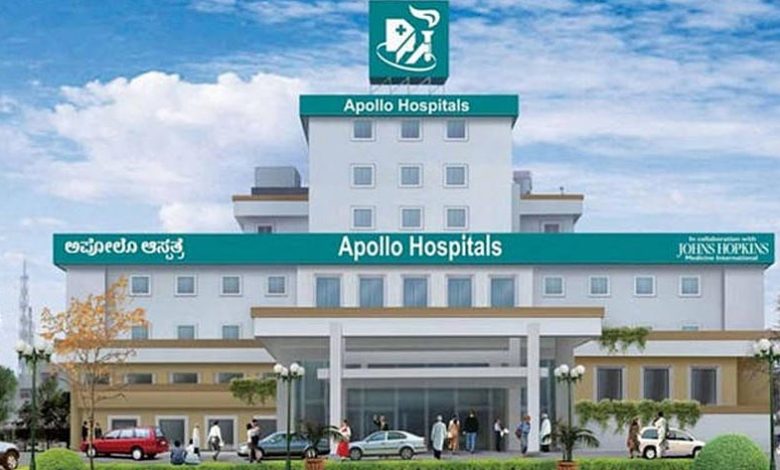
Photo by Esther Takwa
Business Case Study on Apollo Hospitals: A Timeless Example of Vision, Trust, and Business Growth Strategy
Healthcare is not just about medicine and hospitals. It is about trust, hope, innovation, and saving lives. In India, one company transformed the healthcare industry by making world-class medical treatment accessible to millions of people — Apollo Hospitals. This business case study is important because it highlights how a single vision, backed by determination and smart business growth strategy, changed the future of healthcare in India.
For entrepreneurs, startups, business students, and Indian companies, the Apollo Hospitals journey offers valuable lessons in branding success, leadership, customer service, innovation, and long-term business sustainability. In this detailed case study by Pinehills Business Solutions, readers will learn how Apollo Hospitals became one of India’s most trusted healthcare brands and a global symbol of medical excellence.
The Beginning of Apollo Hospitals: A Dream to Transform Indian Healthcare
Apollo Hospitals was founded in 1983 by Dr. Prathap C. Reddy in Chennai, India. Before starting Apollo Hospitals, Dr. Reddy witnessed a painful reality — many Indians had to travel abroad for advanced medical treatment because India lacked modern healthcare infrastructure.
One emotional incident deeply affected him. A young patient reportedly lost his life because his family could not arrange enough money for treatment abroad. That moment inspired Dr. Reddy to build a world-class healthcare system within India itself.
Starting a corporate hospital in India during the 1980s was not easy. Many people believed healthcare could never become a successful business model. Banks were hesitant to provide funding, and there was skepticism about whether Indians would trust private hospitals.
Despite these challenges, Dr. Reddy remained focused on his vision: providing affordable, high-quality healthcare while bringing advanced medical technology to India. His mission was not just business growth but creating a healthcare revolution.
Major Challenges Faced by Apollo Hospitals
Although Apollo Hospitals is now a leading healthcare brand, its journey involved several business and operational struggles.
Financial and Investment Challenges
Building a modern hospital required huge investment in medical equipment, infrastructure, technology, and skilled doctors. During its early years, Apollo faced financial pressure because healthcare infrastructure projects demanded high capital and long-term patience before profits could be generated.
Branding and Trust Issues
In the beginning, people were unfamiliar with the concept of corporate hospitals. Patients often trusted small clinics or government hospitals more than private healthcare institutions. Apollo had to build trust from zero.
Healthcare is a sensitive industry where even small mistakes can damage reputation. Therefore, creating a strong branding strategy was extremely important.
Competition and Expansion Pressure
As the healthcare sector started growing in India, competition increased rapidly. New hospital chains entered the market with aggressive marketing strategy and pricing models. Apollo needed to continuously innovate to maintain leadership.
Managing hospitals across different cities also created operational and management challenges. Maintaining consistent service quality everywhere was difficult.
Digital and Customer Experience Challenges
Modern healthcare customers expect quick appointments, online consultations, digital reports, and transparent communication. Apollo had to adapt to changing customer behavior and improve digital healthcare services.
The Turning Point: Innovation, Service, and Smart Leadership
The success of Apollo Hospitals did not happen overnight. It was built through years of strategic planning, innovation, and customer-focused leadership.
Introducing Advanced Healthcare in India
Apollo Hospitals became one of the first healthcare organizations in India to introduce advanced medical technologies and international treatment standards. This positioned the brand as a premium healthcare provider.
The company invested heavily in specialized treatments, skilled doctors, modern surgical systems, and research facilities. Instead of competing only on price, Apollo focused on quality and trust.
Strong Business Growth Strategy
Apollo followed an aggressive but smart expansion model. It opened hospitals in major cities while also entering smaller markets through clinics, pharmacies, diagnostic centers, and telemedicine services.
This business growth strategy helped the company reach both urban and semi-urban audiences.
Branding Success Through Trust and Care
Apollo’s branding success came from emotional connection and patient trust. The company focused on life-saving stories, patient care, and medical excellence rather than only promotional advertising.
The brand positioned itself as not just a hospital chain, but a healthcare partner for families. This emotional branding helped Apollo stand out in a competitive industry.
Digital Transformation and Marketing Strategy
Apollo Hospitals adapted quickly to digital healthcare trends. The company launched online consultation platforms, health apps, telemedicine services, and digital appointment systems.
Its marketing strategy combined traditional healthcare awareness campaigns with modern digital marketing techniques. Apollo also became active on social media platforms to educate audiences about health issues, treatments, and wellness.
Customer Service Improvement
Apollo understood that healthcare is deeply emotional. Patients and families often experience fear, stress, and uncertainty during treatment.
To improve customer experience, the company focused on staff training, patient communication, faster service systems, and personalized healthcare support. This customer-centric approach strengthened loyalty and positive word-of-mouth marketing.
Real Results and Market Impact
The impact of Apollo Hospitals on the Indian healthcare industry has been extraordinary.
Today, Apollo Hospitals operates one of the largest healthcare networks in Asia, with hospitals, pharmacies, diagnostic centers, and telemedicine facilities across multiple countries.
The company serves millions of patients every year and has built strong brand recognition in India and internationally. Apollo became a trusted name not only for healthcare services but also for innovation and medical excellence.
The company experienced major revenue growth through expansion, digital healthcare services, and specialized medical treatments. Its online healthcare ecosystem also attracted younger digital audiences.
Apollo’s social media presence and health awareness campaigns significantly increased customer engagement and public trust. During critical times like the COVID-19 pandemic, the company’s visibility and public impact became even stronger.
Most importantly, Apollo Hospitals changed the mindset of Indian healthcare consumers by proving that India could provide world-class medical care domestically.
Pinehills Business Solutions Analysis: Lessons for Businesses and Entrepreneurs
At Pinehills Business Solutions, we believe the Apollo Hospitals business case study offers powerful lessons for startups, schools, entrepreneurs, and Indian businesses.
1. Solve Real Problems
Apollo Hospitals succeeded because it solved a real national problem. Businesses that focus on meaningful customer pain points often create stronger long-term success.
2. Trust Is the Biggest Asset
In industries like healthcare, education, or consulting, customer trust matters more than aggressive selling. Strong branding success comes from consistent service quality and emotional connection.
3. Innovation Creates Market Leadership
Apollo continuously adopted new technology and modern healthcare systems. Businesses should always stay updated with industry trends and customer expectations.
4. Customer Experience Drives Growth
A good product alone is not enough. Customer service, communication, and emotional support play a major role in brand loyalty.
5. Smart Expansion Is Important
Many startups fail because they expand too fast without proper systems. Apollo balanced growth with operational management and quality control.
For Indian entrepreneurs and startups, the biggest lesson is simple: build a business that genuinely improves people’s lives.
The Human Side of Apollo Hospitals
Behind the massive success of Apollo Hospitals lies a story of compassion, risk-taking, and resilience. Dr. Prathap C. Reddy faced criticism, financial pressure, and uncertainty during the early years. But he continued because he believed India deserved better healthcare.
The company’s journey reminds us that successful businesses are not built only through profits. They are built through purpose, hard work, emotional strength, and long-term vision.
Every patient treated successfully became part of Apollo’s larger mission — giving hope to families during their most difficult moments.
Conclusion
The Apollo Hospitals business case study proves that a strong vision, customer trust, innovation, and leadership can completely transform an industry. From one hospital in Chennai to one of Asia’s leading healthcare brands, Apollo’s journey is a remarkable example of business growth strategy and branding success.
For startups, entrepreneurs, and growing organizations, this case study offers timeless business lessons: focus on solving real problems, prioritize customer experience, embrace innovation, and build trust consistently.
At , we help businesses, startups, schools, and organizations build powerful branding strategies, marketing plans, event management solutions, and long-term business growth systems.
If you want expert support in business consulting India, marketing strategy, branding, or growth planning, connect with Pinehills Business Solutions today and take your business journey to the next level.