
Startup Funding Explained: The Complete Guide for Founders and Entrepreneurs
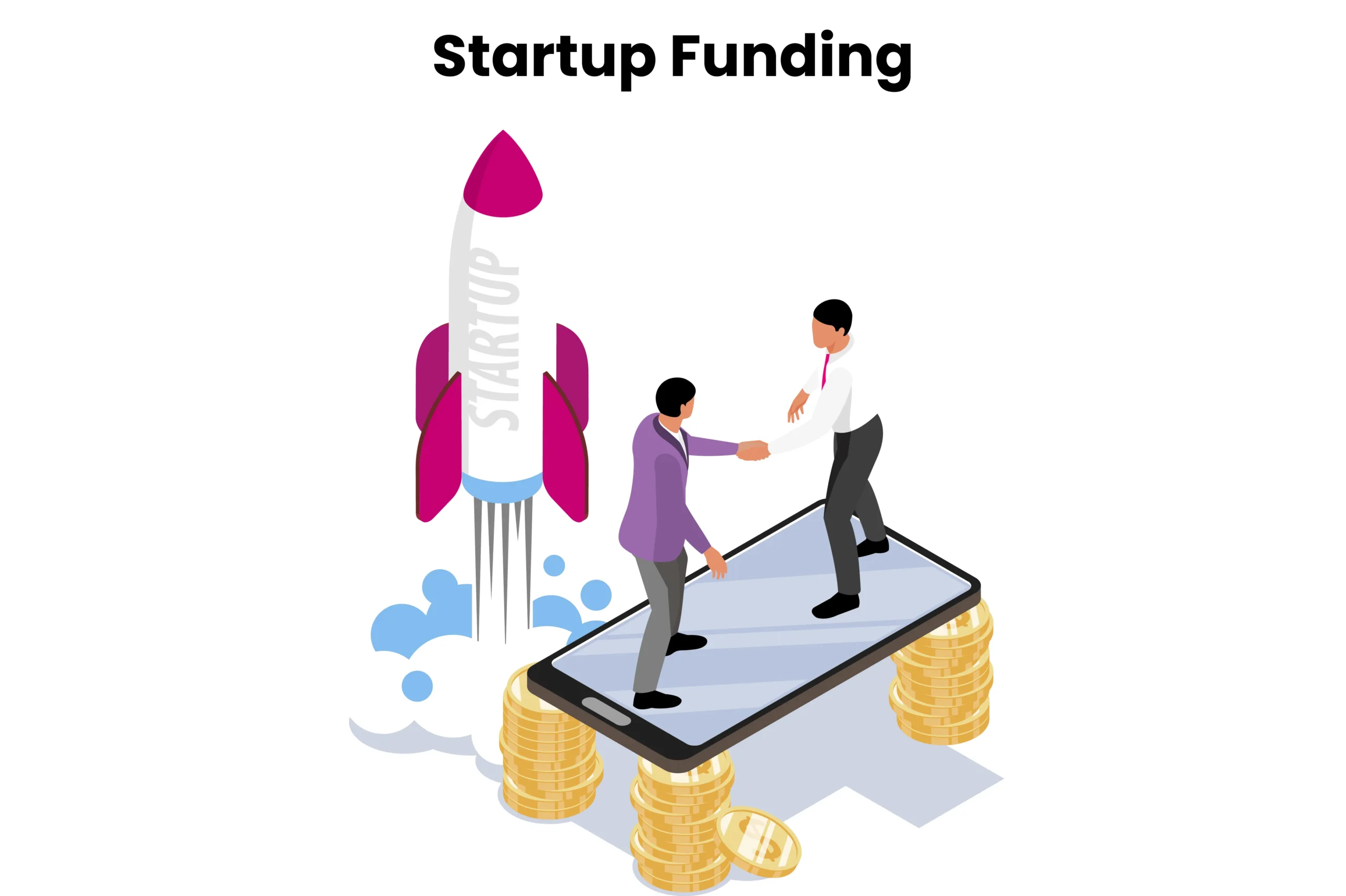
Photo by Diksha Kalra
Startup Funding Explained: The Complete Guide for Founders and Entrepreneurs
Every visionary enterprise starts with a spark, but turning a brilliant idea into a thriving commercial reality requires fuel. Securing the right financial backing is often the defining factor between a venture that scales rapidly and one that stalls before launch. Navigating the landscape of startup funding can feel overwhelming, especially with countless acronyms, investment stages, and financing vehicles to decode. Whether you are bootstrapping your early operations or preparing to pitch institutional venture capitalists, understanding how capital works is critical for long-term sustainability. This comprehensive guide breaks down the mechanics of startup funding, explores the stages of growth, and provides actionable strategies to help you secure the capital your business needs to flourish in a competitive marketplace.
Understanding the Stages of Startup Funding
Capital requirements evolve as a company matures. Investors categorize funding into distinct rounds aligned with the enterprise’s growth milestones.
1. Pre-Seed Stage
This is the ideation phase. At this point, the business usually exists only on paper or as an early prototype (Minimum Viable Product). Founders typically rely on personal savings, friends, family, and occasionally incubator programs.
-
Objective: Validate the concept, conduct market research, and build an MVP.
-
Typical Amount: Small scale, often covering initial setup and testing costs.
2. Seed Stage
Once the product or service shows market potential and early traction, startups seek seed funding. This stage helps transition from an MVP to a commercialized offering with a small customer base.
-
Objective: Refine product-market fit, build out the core team, and initiate marketing.
-
Typical Amount: Moderate capital from angel investors, early-stage venture funds, and accelerators.
3. Venture Capital Rounds (Series A, B, and Beyond)
Once a business proves its revenue model and unit economics, it enters formal venture capital stages to accelerate scale.
-
Series A: Optimizing product offerings and scaling customer acquisition.
-
Series B: Expanding market reach, building middle management, and increasing operational capacity.
-
Series C and Beyond: Scaling globally, pursuing acquisitions, or preparing for an Initial Public Offering (IPO).
Debt vs. Equity Financing: Which Path to Choose?
When exploring startup capital, founders generally choose between two primary financial structures: giving up ownership (equity) or borrowing money (debt).
Equity Financing
Equity financing involves selling a percentage of your company to investors in exchange for capital.
-
Pros: No repayment obligation; investors bring valuable networks, mentorship, and industry expertise.
-
Cons: Dilution of ownership; sharing decision-making authority with external stakeholders.
Debt Financing
Debt financing involves borrowing money from banks, financial institutions, or alternative lenders that must be repaid over time with interest.
-
Pros: Retain 100% ownership and complete control over corporate strategy.
-
Cons: Strict repayment schedules, interest burdens, and often the requirement of physical or personal collateral.
Step-by-Step Guide to Securing Startup Funding
Preparing your enterprise for investment requires a rigorous, structured approach. Follow these steps to maximize your chances of success:
-
Build a Robust Business Plan: Outline your target market, value proposition, revenue model, and 3-to-5-year financial projections.
-
Perfect Your Pitch Deck: Create a concise, compelling 10-to-15 slide presentation highlighting your problem, solution, market size, traction, and team.
-
Determine Your Capital Needs: Calculate exactly how much money you need to reach your next major milestone and how long that runway will last.
-
Identify the Right Investors: Target angels, funds, or lenders whose investment thesis aligns with your industry, geography, and growth stage.
-
Due Diligence and Closing: Organize your legal, financial, and operational records for investor inspection, finalize term sheets, and close the deal.
Practical Examples and Real-World Context
Consider a SaaS startup based in Bangalore developing AI-driven supply chain software. Initially, the founders self-funded (bootstrapped) the coding and architecture until they secured their first three enterprise clients. Armed with this initial traction, they approached angel networks to raise a seed round, allowing them to hire dedicated sales and engineering teams.
Two years later, with predictable monthly recurring revenue (MRR), they successfully closed a Series A round with a prominent venture capital firm. This real-world trajectory demonstrates how matching the funding vehicle to the specific business milestone prevents premature dilution and ensures sustainable scaling.
Best Practices for Founders
-
Maintain a Solid Runway: Always maintain a financial buffer of at least 6 to 12 months of operating expenses to navigate market volatility.
-
Focus on Unit Economics: Investors care less about vanity metrics and more about customer acquisition cost (CAC) and lifetime value (LTV).
-
Build Relationships Early: Fundraising is a relationship business. Talk to potential investors months before you officially need capital.
-
Protect Your Intellectual Property: Ensure your patents, trademarks, and proprietary technology are legally secured before pitching externally.
Common Mistakes to Avoid
-
Chasing the Wrong Investors: Pitching investors who do not invest in your sector or geographic region wastes valuable time.
-
Overvaluing Your Startup: Setting an unrealistic valuation during early rounds can deter serious investors and complicate future fundraising.
-
Ignoring Legal Compliance: Failing to maintain proper corporate governance, tax filings, or cap tables creates red flags during due diligence.
-
Neglecting Cash Flow Management: Burning through capital too quickly without tracking burn rate leads to sudden financial distress.
Frequently Asked Questions (FAQs)
1. What is the difference between boot-strapping and external funding?
Bootstrapping means funding your business entirely through personal savings and early revenues, allowing you to retain full control. External funding involves raising capital from outside investors or lenders, which accelerates growth but may require giving up equity or repaying debt.
2. How much equity should I give up in a seed round?
Typically, founders give up anywhere from 10% to 25% of their company during a seed round, depending on valuation, traction, and the amount of capital being raised.
3. What do investors look for in a pitch deck?
Investors look for a clear problem statement, a unique solution, a large and accessible market size, verifiable traction, a strong founding team, and a realistic financial model with a clear path to profitability.
4. Is venture capital suitable for every type of business?
No. Venture capital is best suited for high-growth, scalable startups (such as tech or innovative consumer brands) aiming for rapid market dominance. Small lifestyle businesses or local service firms are generally better served through bootstrapping, bank loans, or revenue-based financing.
5. How long does the startup fundraising process typically take?
Raising capital is a marathon, not a sprint. From initial outreach to closing funds, the process typically takes anywhere from 3 to 9 months depending on market conditions, investor readiness, and your company’s traction.
Conclusion
Securing startup funding is a transformative milestone that demands strategic preparation, financial clarity, and resilience. Whether you choose equity financing, debt instruments, or bootstrapping, aligning your funding strategy with your operational milestones is essential for long-term success. By understanding your capital requirements, presenting a compelling value proposition, and avoiding common pitfalls, you can position your enterprise for sustainable growth and market leadership.
Call to Action
Ready to take your enterprise to the next level? Connect with Pinehills Business Solutions today for expert business consulting, branding, marketing, digital transformation, AI solutions, and comprehensive business growth strategies tailored to your unique vision.