
How Small Businesses in India Can Compete with Big Brands Using Smart Marketing
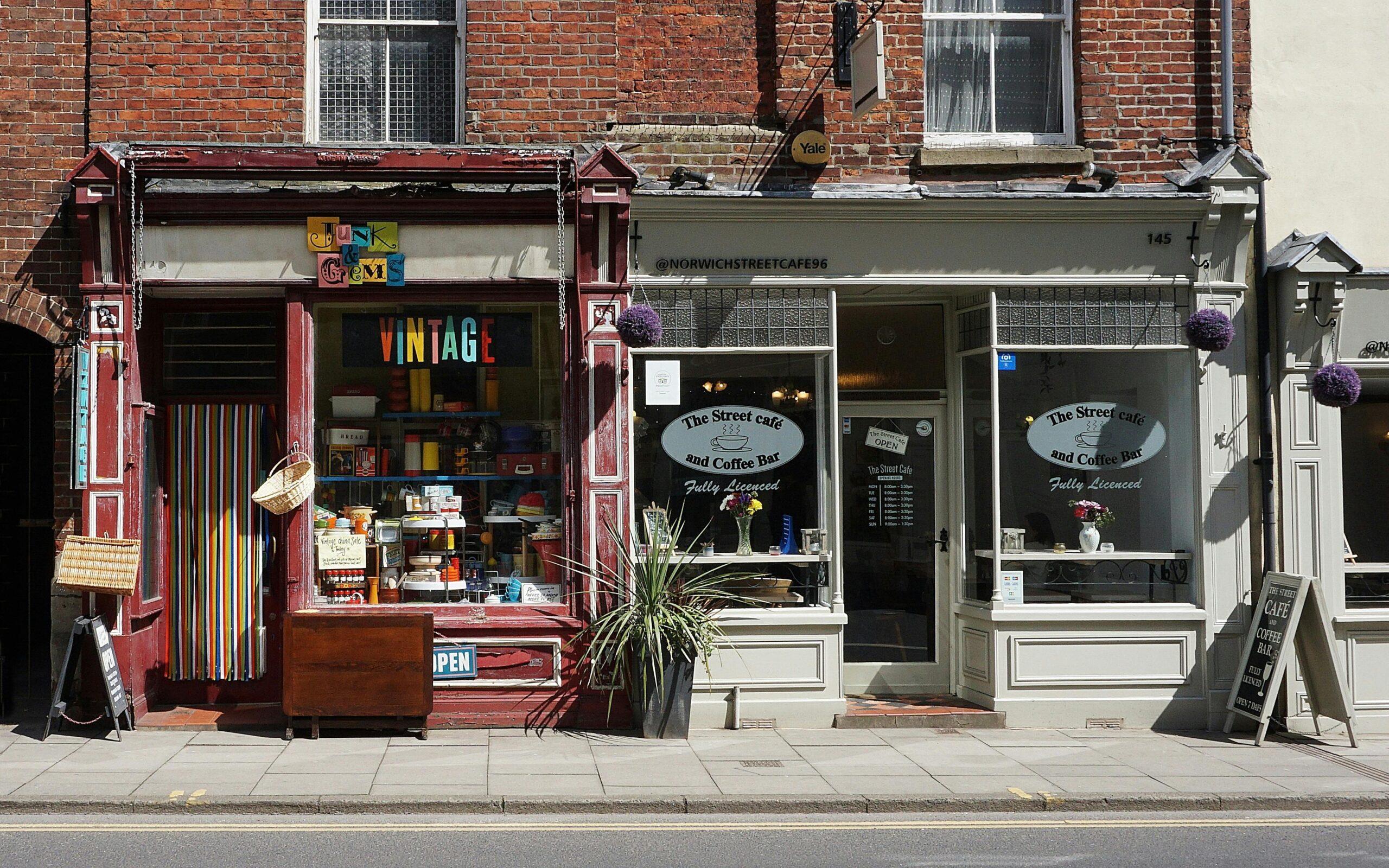
Photo by Suzy Hazelwood
How Small Businesses in India Can Compete with Big Brands Using Smart Marketing
In today’s fast-paced digital world, small businesses in India often find themselves standing in the shadow of industry giants. Big brands enjoy massive budgets, polished campaigns, and wide reach — but that doesn’t mean smaller players are powerless. In fact, many micro, local, and homegrown businesses are outmaneuvering big brands not by spending more, but by marketing smarter.
The truth is simple: Customers care more about relevance, trust, authenticity, and experience than fancy ads. A small business that understands its audience and communicates meaningfully can build loyalty that big brands can only dream of.
Here’s how small businesses in India can compete with big players — without breaking the bank.
1. Build a Deep Understanding of Your Audience
Big brands use expensive market research to understand consumers. But small businesses can do this without big bucks — simply by listening.
Practical Tips:
- Talk to customers regularly: In shops, in DMs, on calls.
- Monitor feedback on social media: What are people saying? What do they like or dislike?
- Use polls and messages: Tools on Instagram, WhatsApp, and Google Forms make this easy and free.
Example:
A small artisanal tea business in Assam started asking customers on Instagram what flavours they wanted next. The result? A unique “Tulsi-Ginger” blend that sold out within days — something mainstream brands had never offered.
Understanding your audience helps tailor products, messages, and marketing channels to where your customers actually are.
2. Be Where Your Customers Are — But Don’t Overstretch
You don’t need to be everywhere. Instead, focus on the channels where your customers spend most of their time.
Budget-Friendly Channels:
- Instagram & Facebook: Great for visuals, stories, and community building.
- WhatsApp Business: Personal, direct, and highly effective for customer communication.
- Google Business Profile: Helps customers find you locally for free.
- YouTube Shorts & Reels: Perfect for creative storytelling on a low budget.
Real-World Example:
A boutique in Jaipur used only Instagram Reels to showcase DIY styling ideas with its clothing range. Early videos were simple — natural lighting, real customers, behind-the-scenes stitching. Within months, the boutique saw a 3× increase in foot traffic and online orders.
The lesson? Creativity + consistency > big marketing budgets.
3. Tell Your Story — Authenticity Wins
Today’s consumers don’t just buy products — they buy stories. Who are you? Why did you start your business? What challenges did you face?
Sharing your journey humanises your brand — and that’s something big corporations often fail at.
Storytelling Tips:
- Share your why on social profiles.
- Post videos about your daily operations.
- Feature real employees and customers.
- Share struggles and wins alike.
Example from India:
A small vegan snack brand in Bengaluru shared weekly “kitchen stories” on YouTube Shorts. The founder explained how recipes evolved from her grandmother’s kitchen. Soon, viewers weren’t just customers — they became loyal fans who commented, shared, and ordered repeatedly.
4. Collaborate with Micro-Influencers
Big brands pay huge amounts for celebrity influencers. Small businesses can choose micro-influencers — creators with 1,000–50,000 followers — who often have loyal, local audiences.
Why Micro-Influencers Work:
- Higher engagement rates.
- Lower cost (sometimes just barter or product samples).
- Authentic recommendations.
Budget-Friendly Collaboration Ideas:
- Send products to influencers in exchange for honest reviews.
- Invite local creators for store visits.
- Co-create content based on trending challenges.
Example:
A Pune bakery partnered with a local food blogger with 12k followers. Instead of paying cash, the bakery exchanged gift boxes for a reel on how to enjoy their pastries. That single post brought in dozens of new customers — many of whom became repeat buyers.
5. Focus on Local SEO and Online Presence
Small businesses often rely on walk-in customers. But with many Indians searching for businesses online first, local visibility is essential.
Easy Steps to Improve Local Online Presence:
- Create a Google Business Profile (formerly Google My Business).
- Encourage customers to leave positive reviews.
- Use keywords like “best florist in Delhi” or “handmade soaps near me” in your business descriptions.
- Add your business to local directories like Justdial and Sulekha.
Why This Matters:
When a nearby customer searches for what you sell, you want to be in the top results. That’s often cheaper and more effective than paid ads.
6. Use Email & SMS Marketing Smartly
Big brands have entire teams to send newsletters and messages. But your business can use cost-effective tools like free email platforms and WhatsApp broadcasts to stay in touch.
What to Share:
- New product launches
- Limited-time offers
- Behind-the-scenes stories
- Customer reviews and testimonials
Example:
A fitness studio in Chennai used a WhatsApp broadcast to share 10-day fitness tips along with an exclusive discount for subscribers. Engagement skyrocketed, and sign-ups increased by nearly 40% — all with zero ad spend.
7. Run Local Events, Workshops & Experiences
Customers love experiences. Hosting small events not only brings footfall but often creates word-of-mouth marketing — the most powerful and cost-free tool.
Budget-Friendly Event Ideas:
- A vegan cooking workshop by a small café
- DIY craft sessions by an art supplies store
- Free consultation day by a fitness trainer
Example:
A jewellery store in Lucknow hosted a weekend workshop on “Styling Traditional Jewellery with Modern Outfits.” Participants shared their pictures on social media and tagged the store — boosting visibility organically.
8. Encourage User-Generated Content (UGC)
Stop thinking marketing should be just you talking about yourself. Let your customers do the talking instead.
How to Get UGC:
- Create a branded hashtag
- Run simple contests (e.g., best photo with your product)
- Feature your customers on your page
Real-World Payoff:
A handmade cosmetics brand in Kerala asked customers to post selfies using a specific hashtag. The result? Hundreds of customer photos that acted like free testimonials — authentic and persuasive.
9. Leverage Data — Even If It’s Small
Big brands have analytics teams. Small businesses can access basic data insights for free through:
- Instagram/Facebook Insights
- Google Analytics
- Customer order histories
Use data to answer questions like:
- Which posts get the most engagement?
- What time do customers shop most?
- What products sell best during the festive season?
Data helps you post smarter, not harder.
10. Delight Your Customers — Not Just Sell to Them
Big brands often treat customers like numbers. Small businesses can treat them like humans — with personalised communication, handwritten notes, small freebies, and gratitude.
Real Example:
A Delhi-based handmade chocolate brand includes a thank-you card in every order with the customer’s name and a small discount code for their next purchase. Many customers share this unboxing experience online, driving free referrals.
Conclusion: Mindset Matters More Than Money
Competing with big brands doesn’t mean copying their playbook. Big brands have budgets — you have flexibility, personality, and authenticity. When your marketing is rooted in understanding customers, building relationships, and creatively using free or low-cost tools, you win in ways money can’t buy.
At the heart of it all is smart marketing: knowing where your audience is, speaking their language, and consistently showing up with value.
If a home baker, a local tailor, or a small café can build a loyal following with budgeting and creativity — so can you.