
How Zomato Built a Strong Brand Personality Through Content and Social Media
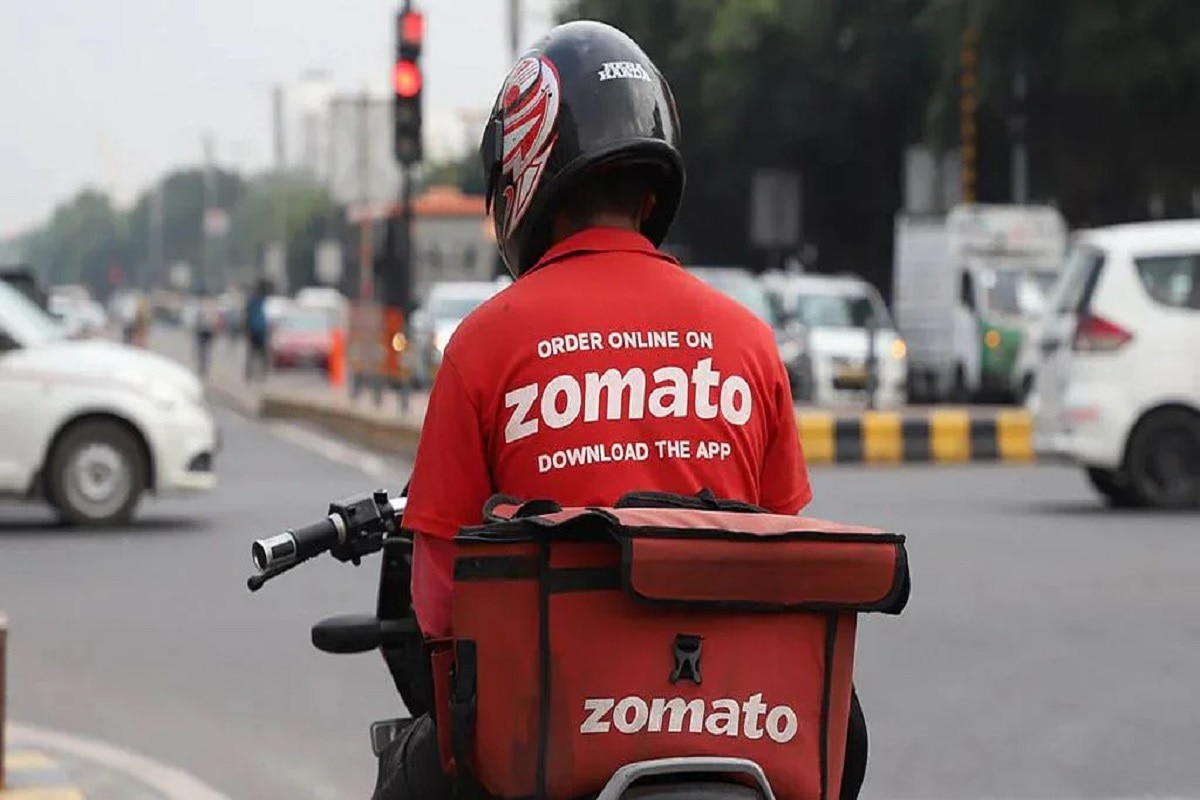
Photo by Manmath Nayak
How Zomato Built a Strong Brand Personality Through Content and Social Media
In a highly competitive digital food delivery space, Zomato has risen above rivals not merely through logistics or discounts but through its brand personality — vibrant, bold, relatable, and humorous. While technology and delivery infrastructure won the race, it was memorable content, sharp social media tactics, and community engagement that helped Zomato emerge as a cultural brand, especially among younger audiences.
This case study explores how Zomato systematically crafted a brand identity that resonates emotionally with users by focusing on tone of voice, meme marketing, app experience, and customer engagement.
1. Background: Zomato’s Market Challenge
Zomato launched in 2008 as a restaurant discovery platform and later pivoted into food delivery. In markets dominated by global and local players, differentiation through product features alone is difficult. Food delivery is a commodity service — faster delivery, lower cost, and wider choices usually decide consumers. Zomato’s breakthrough came by transforming its brand into a lifestyle choice rather than just a delivery app.
Zomato understood early that emotional recall and shareability matter more than transactional messaging. It didn’t just want users to order food; it wanted users to feel something when they thought of the brand — mainly amusement, comfort, and cultural belonging.
2. Tone of Voice: The Heart of Zomato’s Personality
a) Distinctive, Relatable, and Playful
Zomato’s tone is conversational, witty, and sometimes irreverent. Whether it’s restaurant descriptions, push notifications, or social posts, the language feels like it’s coming from a funny friend who gets you.
Examples include:
- Menu or restaurant tags that read like inside jokes.
- Push notifications such as “Your food is almost here. Hide the snacks.”
- Content that pokes fun at food habits, like “We judge people who don’t finish their fries.”
This voice stands out in an industry typically dominated by functional messaging like “fastest delivery” or “best offers”. Zomato prioritized emotional engagement over utility messaging, which helped create stronger recall.
b) Conversational, Not Corporate
Traditional brands often stick to safe, polished language. Zomato broke that mold by using everyday phrases, regional slang, and colloquial humor. This made the brand feel authentic and human.
The consistency across platforms — app, social media, and support interactions — reinforced a unified personality. Whether a customer read a tweet or a delivery app notification, the voice felt unmistakably Zomato.
3. Meme Marketing: Turning Content Into Culture
a) Zomato as a Meme Powerhouse
Meme culture thrives on relatability and shareability. Zomato tapped into this by regularly posting memes that reflect everyday food experiences — from late-night cravings to delivery frustrations.
Key aspects of their meme strategy:
- Cultural relevance – Memes often reference trending topics.
- User-centric humor – Most jokes are about consumer feelings, not self-promotion.
- Risk-taking tone – Zomato doesn’t shy away from bold or edgy humor (within safe boundaries).
This strategy did more than entertain — it turned Zomato into a conversation starter. People shared Zomato posts widely, indirectly amplifying brand visibility without the high costs of traditional advertising.
b) Viral Campaign Moments
From playful roasts of competitors to holiday-themed memes, many of Zomato’s posts have gone viral organically. The meme-led engagement increased brand mentions, generated organic reach, and strengthened Zomato’s image as a fun, youthful culture brand.
4. App Experience: Content Integrated With Utility
While viral memes and witty posts built awareness, Zomato also integrated its brand personality into the app experience.
a) Engaging Microcopy
Zomato uses fun microcopy throughout the app interface — button labels, error messages, and loading screens include light-hearted messages like:
- “Hold tight, chef’s prepping your feast.”
- “Oops! Looks like the food took a wrong turn.”
This microcopy makes friction points feel less frustrating and reinforces the brand’s tone.
b) Personalized Interactions
Zomato personalizes recommendations and notifications in ways that feel contextual and friendly, not pushy. Rather than generic alerts, users get playful nudges:
Examples:
- “Biryani time?”
- “We found your cheat day meal.”
Such content makes the app feel less transactional and more engaging, encouraging longer sessions and repeat usage.
c) Content-Driven Features
Features like curated collections (e.g., “Best Pizza in Town”), fun food awards, and quirky food taglines add a content layer to a functional tool. Zomato transformed its app from a utility necessity to a space users enjoy exploring.
5. Customer Engagement: Two-way Conversations
Zomato not only talks to the audience — it listens and responds.
a) Social Listening and Real-Time Engagement
Zomato actively monitors social mentions and trends, responding with humor or empathy based on context. This two-way engagement feels personal and strengthens emotional bonds.
Real-time responses to events (e.g., cricket wins, festivals, or viral trends) position Zomato as an active participant in culture rather than a distant brand.
b) Leveraging User-Generated Content (UGC)
Zomato encourages users to create content — whether through reviews, food photos, or social shares. It frequently amplifies UGC on its platforms, which:
- Makes users feel valued.
- Generates a steady stream of authentic content.
- Encourages other users to share more.
c) Strategic Use of Feedback
Even complaints are handled with the brand tone — empathetic, sometimes witty, but always human. This consistent personality makes even difficult conversations feel less cold and more personal.
6. Outcomes and Business Impact
a) Increased Brand Recall
Zomato’s tone and content made it a top-of-mind brand, especially among younger audiences. When people talk about food, memes, or cravings, they often think of Zomato first — a valuable asset in a crowded market.
b) Higher Organic Engagement
Zomato’s social content generates massive organic engagement. Memes and posts are widely shared and discussed across platforms, reducing reliance on paid ads for visibility.
c) Greater Customer Loyalty
The emotional connection cultivated through personality and engagement translates into loyalty. Users often choose Zomato not just for deals but because they identify with the brand vibe.
d) Competitive Advantage
While competitors focused on logistics, Zomato built a cultural presence. This brand equity made customers emotionally inclined toward Zomato even when competitors offered similar pricing or delivery times.
7. Key Takeaways for Brands
Zomato’s success offers valuable lessons:
a) Build a Distinct Tone
A unique voice helps brands stand out. Being conversational and relatable builds stronger emotional connections.
b) Leverage Humor Wisely
Memes and humor are powerful but require cultural awareness and agility. They work best when content feels organic, not forced.
c) Extend Personality Across Touchpoints
From social media to product copy and customer support, consistency strengthens recognition and trust.
d) Engage in Two-Way Conversations
Brands should not just broadcast messages but participate in ongoing cultural dialogues.
Conclusion
Zomato’s journey from a food delivery app to a beloved cultural brand underscores the power of content and social media in building strong brand personality. By mastering tone of voice, embracing meme marketing, integrating personality into the app experience, and fostering genuine customer engagement, Zomato turned everyday food moments into shared cultural experiences.
In a world where many services are functionally similar, Zomato’s approach shows that how you make people feel matters more than what you sell.