
Product Photography and Video Tips to Boost Your E-commerce Sales
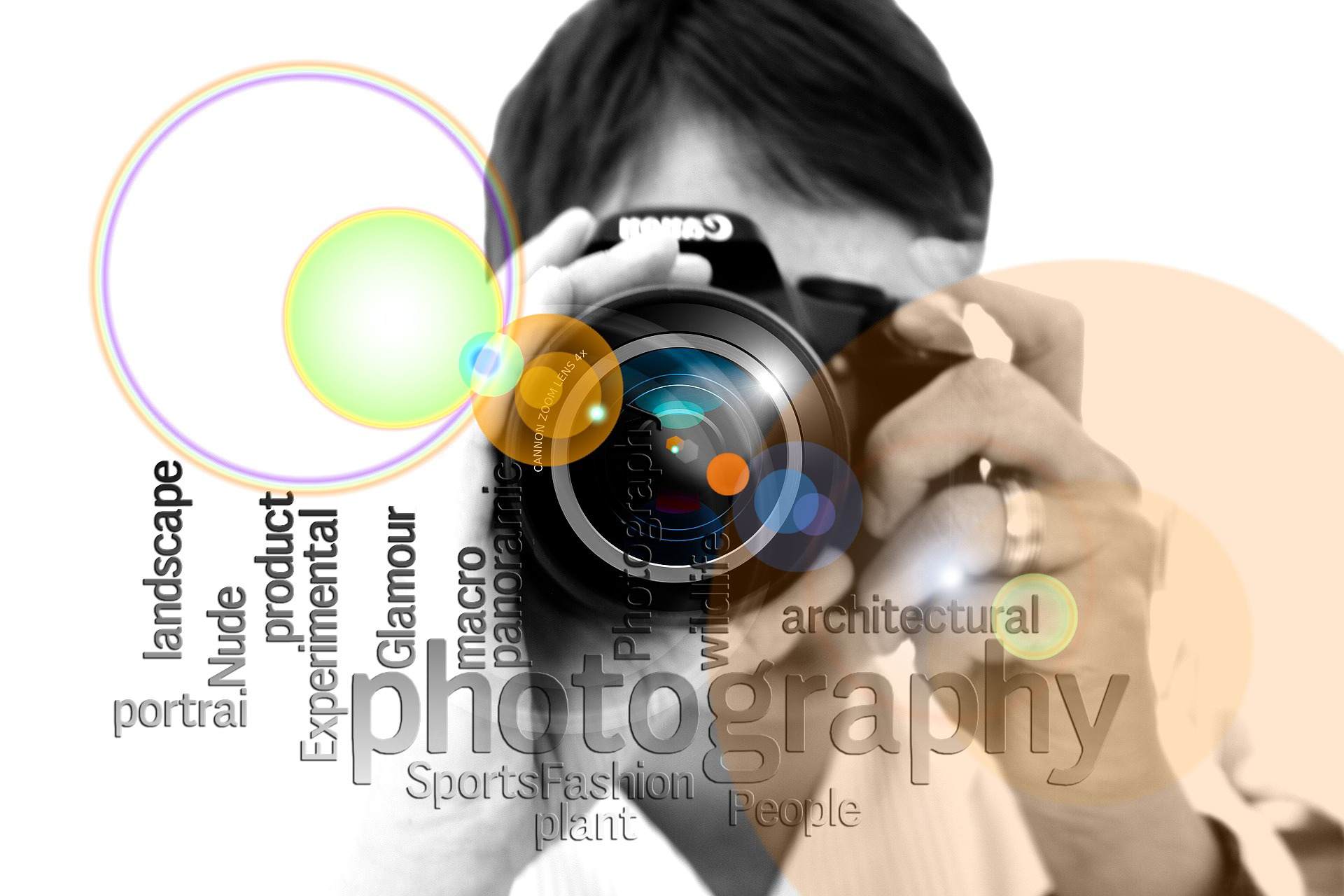
Photo by Gerd Altmann
Product Photography and Video Tips to Boost Your E-commerce Sales
In the world of e-commerce, your products don’t get the luxury of being touched, tried, or experienced in person. Instead, customers rely entirely on what they see on their screens. This is why product photography and videos are not just “nice to have” — they are powerful sales tools. High-quality visuals build trust, reduce hesitation, and can significantly increase conversion rates.
If your online store isn’t getting the sales you expect, the problem may not be your product or price, but how you present it. Let’s explore practical, budget-friendly product photography and video tips that can help you boost your e-commerce sales.
Why Visual Content Matters in E-commerce
Online shoppers make buying decisions within seconds. Studies consistently show that customers are more likely to purchase when product images are clear, detailed, and professional. Videos further enhance confidence by showing how a product looks, moves, and functions in real life.
Good visuals:
- Build credibility and brand trust
- Reduce product returns
- Increase time spent on product pages
- Improve social media and ad performance
In short, better visuals lead to better sales.
Start with the Right Lighting
Lighting is the foundation of great product photography. Even an expensive camera cannot fix poor lighting.
Natural light is one of the best and most affordable options. Place your product near a large window and shoot during daytime when light is soft and even. Avoid harsh direct sunlight, as it creates strong shadows.
If you’re shooting indoors or at night, use soft artificial lights or affordable ring lights. The goal is to eliminate dark shadows and highlight product details clearly.
Tip: Always use the same lighting setup for all products to maintain visual consistency across your store.
Use a Clean and Simple Background
Your product should be the hero, not the background. A cluttered background distracts customers and reduces clarity.
For most e-commerce platforms, a plain white or neutral background works best. It looks professional and keeps the focus on the product. You can use white sheets, chart paper, or foam boards to create a clean backdrop.
For lifestyle images, backgrounds can be more creative, but they should still support the product story rather than overpower it.
Show Multiple Angles and Close-Ups
Customers want to know exactly what they’re buying. One image is never enough.
Capture your product from:
- Front, back, and side angles
- Close-ups of texture, material, and important features
- Packaging (if relevant)
For example, if you’re selling clothing, show stitching, fabric texture, and fit. If it’s electronics, show ports, buttons, and accessories.
The more information your images provide, the less doubt customers feel before purchasing.
Maintain Consistent Branding
Consistency builds trust. All your product photos should follow the same visual style — similar lighting, background, angles, and editing.
This consistency:
- Makes your store look professional
- Strengthens brand identity
- Improves browsing experience
Create a simple style guide for your visuals and stick to it. Even if you shoot products at different times, they should still look like part of the same brand family.
Edit, But Don’t Overdo It
Editing is essential, but subtlety is key. The goal is to enhance the product, not misrepresent it.
Basic edits include:
- Adjusting brightness and contrast
- Correcting colors to match the real product
- Cropping for uniform size
Avoid excessive filters or heavy retouching. When customers receive a product that looks different from the images, trust is broken — and returns increase.
Use Lifestyle Photography to Tell a Story
While clean product shots are important, lifestyle images help customers imagine the product in their own lives.
Show your product:
- Being used by real people
- In real-life settings
- Solving a problem or fulfilling a need
For example, a kitchen appliance looks more appealing when shown in a real kitchen with food, rather than alone on a white background. These images connect emotionally and make your product feel more relatable.
Add Product Videos for Higher Conversions
Product videos are a game-changer for e-commerce. Even a simple 15–30 second video can dramatically improve conversions.
Good product videos can:
- Demonstrate how the product works
- Show size, movement, and usability
- Answer common customer questions
You don’t need a big production budget. A smartphone with good lighting and a steady hand or tripod is often enough. Focus on clarity, not perfection.
Keep Videos Short and Focused
Online shoppers have short attention spans. Your video should quickly highlight key benefits.
Effective product videos usually include:
- A quick product overview
- Close-up shots of important features
- A short usage demonstration
Avoid long explanations. Let visuals do most of the talking. Add captions if possible, as many users watch videos without sound.
Optimize Visuals for Website Speed
High-quality images are important, but slow-loading pages kill conversions. Large image files can increase load time and frustrate customers.
Always:
- Compress images without losing quality
- Use proper image dimensions for your platform
- Optimize videos for web playback
A fast-loading website improves user experience, SEO rankings, and sales.
Use Visuals Across Marketing Channels
Don’t limit your product photos and videos to your website. Repurpose them across:
- Social media platforms
- Online ads
- Email marketing campaigns
- Marketplaces like Amazon and Flipkart
Consistent visuals across channels increase brand recall and make your marketing more effective.
Test and Improve Continuously
Finally, treat your visuals as a living asset. Monitor how customers interact with your product pages.
Test:
- Different image styles
- Lifestyle vs. plain backgrounds
- With video vs. without video
Use analytics and customer feedback to understand what works best and refine your visual strategy over time.
Final Thoughts
In e-commerce, visuals are your silent salesperson. Great product photography and videos don’t just make your store look good — they build trust, answer questions, and guide customers toward a confident purchase decision.
You don’t need expensive equipment or a big studio to get started. With the right lighting, clean backgrounds, consistency, and thoughtful storytelling, even small brands can create powerful visuals that compete with big players.
Invest time in improving how your products look online, and you’ll see the impact where it matters most — in your sales numbers.