
Why Trust Is the Real Currency of Brands in India’s Digital Economy
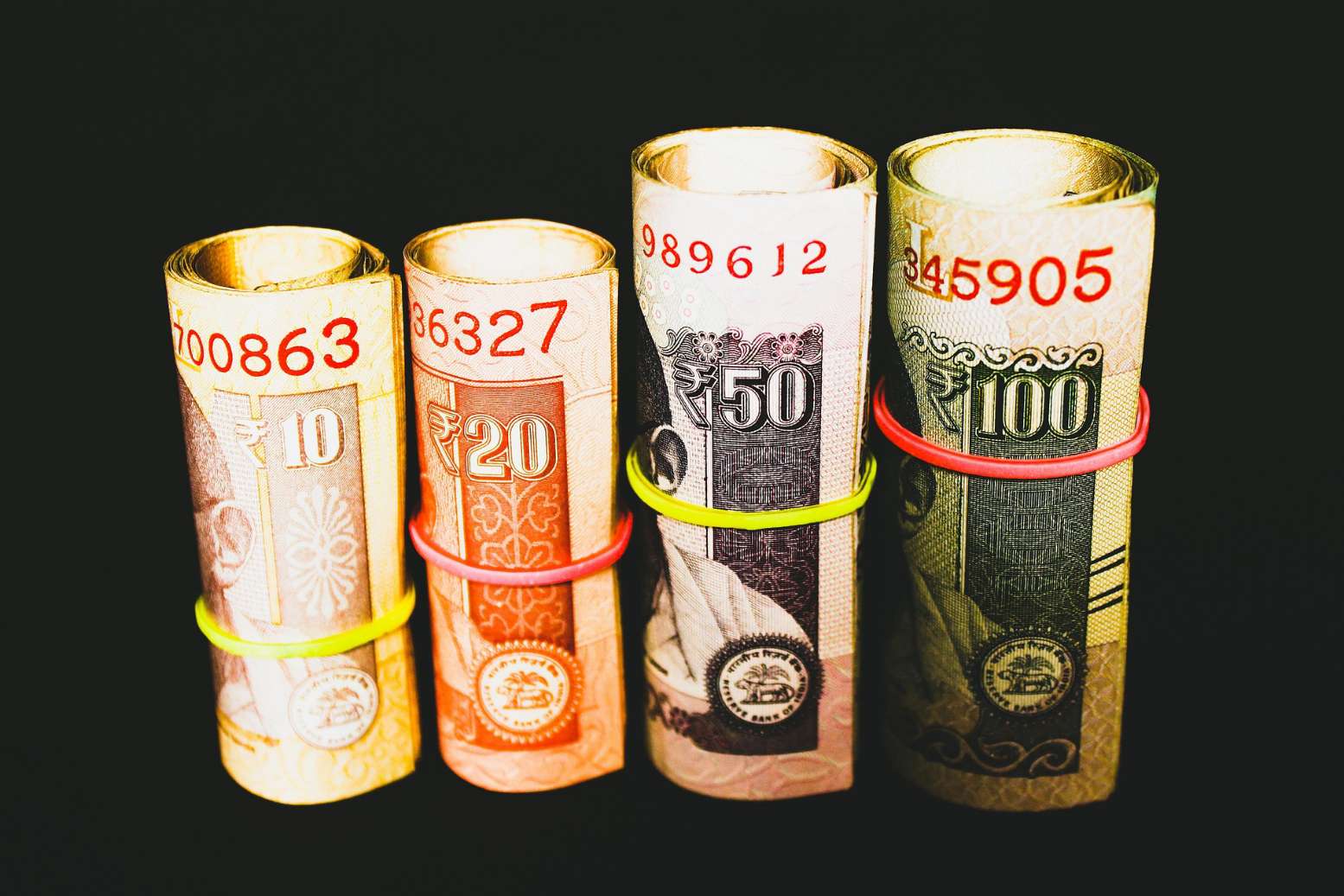
Photo by Rupixen
Why Trust Is the Real Currency of Brands in India’s Digital Economy
India’s digital economy is growing at breathtaking speed. From UPI payments and quick commerce to online education, fintech, and D2C brands, millions of Indians now live, shop, learn, and invest online. But in this hyper-connected ecosystem, where choices are endless and attention spans are short, one factor matters more than pricing, advertising, or even innovation.
That factor is trust.
In India’s digital economy, trust is not a soft emotion or a branding buzzword. It is the real currency that decides whether a brand grows, survives, or quietly disappears.
The Indian Digital Consumer: Smart, Skeptical, and Vocal
Indian consumers today are digitally mature. They compare prices on multiple apps, read reviews before purchasing, check YouTube before investing, and follow influencers who feel “real” rather than scripted. At the same time, they are deeply skeptical.
Why? Because India has seen its fair share of:
- Fake reviews
- Data breaches
- Influencer scams
- Fly-by-night startups
- Misleading financial and health claims
As a result, Indian users don’t trust easily—but once they do, they stay loyal for years.
In this environment, trust becomes a competitive advantage that money cannot buy overnight.
Trust Beats Discounts in the Long Run
Discount-driven growth is common in India. Free deliveries, cashbacks, and heavy advertising can attract users quickly. But this growth is fragile.
The moment discounts stop, users leave—unless trust has already been built.
Brands like Tata, Amul, Infosys, HDFC, and LIC did not become household names by being the cheapest. They earned trust by being consistent, transparent, and dependable over decades.
In the digital economy, this same principle applies:
- A fintech app trusted with money will outperform a flashier competitor
- A content creator trusted for honesty will outlast viral trends
- A D2C brand trusted for quality will survive price wars
Trust reduces churn, increases lifetime value, and lowers marketing costs.
Why Trust Matters More Online Than Offline
In traditional markets, trust was built through physical presence—stores, offices, personal relationships. Digital brands don’t have that luxury.
Online, customers:
- Can’t touch the product
- Can’t meet the founders
- Can’t verify claims instantly
This creates trust gaps, especially in sectors like finance, healthcare, education, and consulting.
That’s why digital brands must over-communicate credibility:
- Clear policies
- Honest messaging
- Visible leadership
- Consistent experience
If trust breaks even once, screenshots travel faster than apologies.
UPI, Fintech, and the Trust Revolution
India’s UPI success story proves one thing clearly: technology scales only when trust exists.
People didn’t adopt UPI just because it was convenient. They adopted it because:
- RBI backing created credibility
- Bank integration ensured safety
- Clear dispute mechanisms built confidence
The same applies to fintech startups, investment platforms, and financial influencers. In finance, trust is not optional—it is everything.
One misleading claim can destroy years of brand equity.
Content Is the New Trust Builder
In India’s digital economy, content builds trust before conversion.
Blogs, YouTube videos, podcasts, and LinkedIn posts allow brands to:
- Educate before selling
- Explain before pitching
- Add value before asking for attention
This is why educational content performs so well in India. People follow brands and creators who:
- Simplify complex topics
- Speak honestly about risks
- Avoid exaggerated promises
Trust grows when audiences feel, “This brand is on my side.”
Influencers, Authenticity, and the Trust Crisis
Influencer marketing exploded in India—but so did influencer fatigue.
Audiences now easily spot:
- Paid promotions disguised as opinions
- Over-promising financial advice
- Unreal lifestyle claims
As a result, trust has shifted from celebrity influencers to:
- Niche experts
- Micro-creators
- Professionals with real experience
Brands that collaborate with credible voices, not just popular faces, build deeper trust and longer impact.
Transparency Is No Longer Optional
Indian digital consumers expect transparency by default:
- Clear pricing
- Honest return policies
- Visible customer support
- Straightforward communication
Hiding terms in fine print or using manipulative UX patterns may bring short-term gains—but long-term damage is inevitable.
In a social media world, transparency isn’t just ethical—it’s strategic.
Trust Compounds Like Interest
Trust works like compound interest:
- Small, consistent actions add up
- Every honest interaction strengthens the brand
- Every broken promise erodes value
Brands that focus on trust enjoy:
- Higher word-of-mouth referrals
- Stronger community support
- Better resilience during crises
In India, where recommendations from friends, family, and WhatsApp groups still matter deeply, trust spreads faster than any ad campaign.
How Indian Brands Can Build Digital Trust
To win in India’s digital economy, brands must treat trust as a core business asset:
- Be consistent across platforms – messaging, tone, and promises
- Educate before selling – value creates credibility
- Show real people behind the brand – leadership visibility matters
- Admit mistakes openly – honesty earns respect
- Protect user data fiercely – privacy is trust
- Think long term – trust is not built in quarters, but in years
Conclusion: In India, Trust Is the Ultimate Moat
Technology can be copied. Pricing can be undercut. Marketing tactics can be replicated.
But trust cannot be faked or rushed.
In India’s digital economy—where choice is abundant and skepticism is high—brands that win are not the loudest or the cheapest. They are the ones that consistently show up with integrity, transparency, and respect for the consumer.
Because in the end, money follows trust, not the other way around.
And for Indian brands aiming to build lasting value, trust isn’t just the real currency—it’s the strongest moat they will ever have.