
How Tata Group Built Trust Across Generations Through Ethical Branding
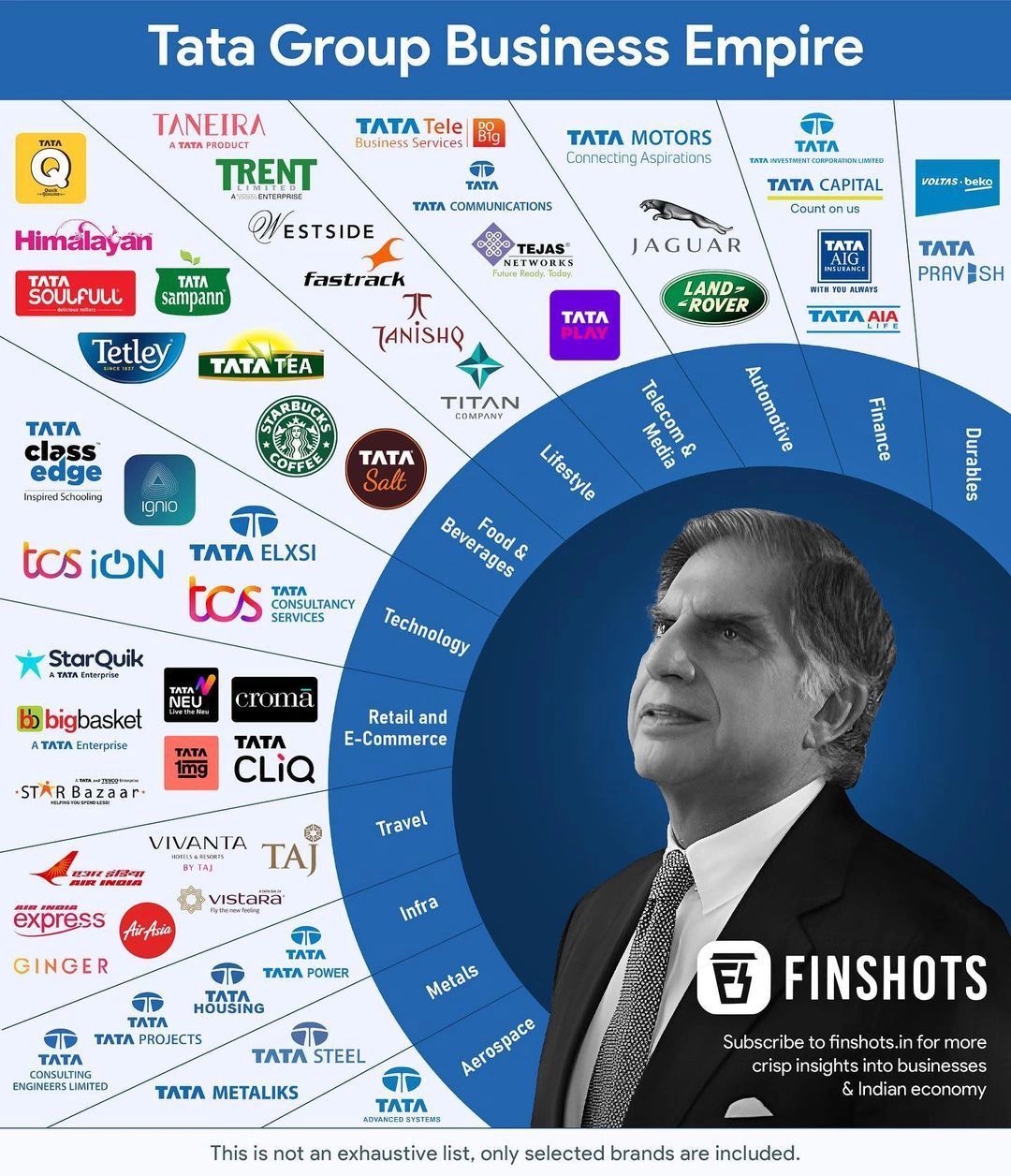
Photo by Darren L. Lincoln
How Tata Group Built Trust Across Generations Through Ethical Branding
1. Introduction: A Legacy of Trust and Values
The Tata Group, founded in 1868 by Jamsetji Nusserwanji Tata, stands as one of India’s oldest and most respected conglomerates. Over more than 150 years, it has expanded across industries — from steel and automobiles to IT services, hospitality, and consumer products — and become arguably India’s most trusted corporate brand. Anthropologists and business scholars attribute this success not just to diversification and scale, but to the strong ethical foundation upon which the organisation was built and which remains central to its identity across generations.
In a market where consumer loyalty and corporate credibility are increasingly fragile, Tata’s story offers valuable insights into how ethical branding and principled leadership can become enduring sources of competitive advantage.
2. Core Corporate Values: The Foundation of Ethical Branding
a. The Tata Code of Conduct
At the heart of the Tata Group’s ethical framework is the Tata Code of Conduct, a set of principles that govern corporate behavior across all companies operating under the Tata brand. This code articulates the Group’s commitment to integrity, fairness, transparency, and respect for stakeholders — including customers, employees, communities, and the environment.
The code is not static; while its core principles remain unchanged, it has been periodically updated to remain relevant in changing legal and regulatory environments. This ongoing commitment reflects a belief that ethical conduct is both a moral responsibility and a practical business necessity.
b. Leadership With Values: From Jamsetji to Ratan Tata
The influence of leaders such as Jamsetji Tata and Ratan Tata has played a seminal role in embedding ethics into the organisation’s DNA. Jamsetji Tata’s early vision was not just industrialisation, but nation-building and community welfare, a theme that continues today.
Later, under the stewardship of Ratan Tata, the Group emphasised transparency, accountability, and fairness. Ratan Tata famously insisted that success should never come at the cost of honesty or ethical compromise — a stance that, in his view, builds lasting trust with investors, employees, and customers alike.
3. Reputation Management Through Consistency
a. Long-Term Orientation and Stewardship
Unlike many corporations focused on quarterly earnings, the Tata Group has consistently emphasised long-term reputation over short-term gain. This orientation is supported by its unique ownership structure: about two-thirds of Tata Sons — the group’s principal holding company — is owned by philanthropic trusts, ensuring that the pursuit of trust and social impact is structurally embedded, not just rhetorically stated.
This structure allows Tata companies to make decisions that prioritise ethical conduct and stakeholder benefit even when these choices might reduce near-term profitability.
b. Ethical Brand in Practice: Quality, Fairness, and Community
Across its operating companies, Tata’s core values manifest in business practices that reinforce trust:
- Fair and ethical deals: Tata companies are known for fair dealings with suppliers and customers, often prioritising long-term relationships over transactional gains.
- Quality and reliability: Whether it’s Tata Steel’s reputation for strength and consistency or Tata Motors’ innovative vehicles, the emphasis on product quality reinforces consumer confidence.
- Employee welfare: The Group implemented worker-friendly policies such as 8-hour workdays, provident funds, and accident compensation long before many laws made them mandatory — a reflection of its commitment to people over profits.
By living these principles consistently over generations, the Tata brand has cultivated reputational capital that competitors find difficult to replicate. As one academic analysis notes, Tata’s values act as strategic assets, not just ethical ideals, giving it competitive advantages like crisis resilience and stakeholder loyalty.
4. Ethical Branding as the Basis of Brand Equity
a. Brand Value and Recognition
The Tata Group’s brand equity — often measured in dollar terms by firms like Brand Finance — reflects trust as a core asset. In recent years, Tata has been ranked India’s most valuable brand, with its combined brand value crossing significant global benchmarks.
This valuation is not just about financial performance. It reflects brand perceptions, especially the belief that Tata brands are trustworthy, committed to quality, and socially responsible.
b. Emotional and Cultural Connections
For many Indians, the Tata brand carries emotional weight. Unlike transactional brands, Tata’s presence in homes and communities — whether through Taj hotels, Tata Tea, or Tata Consultancy Services (TCS) — is often associated with reliability, dignity, and national pride. Over decades, this has embedded the Tata name not just in markets, but in the cultural fabric of the nation.
This depth of connection matters. Many consumers and business partners choose Tata products based on trust that has been built by decades of consistent ethical behaviour, not just advertising or price competition.
5. Navigating Crises and Reinforcing Trust
Even the most respected brands face challenges. Tata’s trust has been tested by economic cycles, global competition, and operational issues. Yet, its response to crises often reinforces trust rather than eroding it.
For example:
- During national emergencies and industry shocks, Tata companies have prioritised employee security and community welfare, reinforcing their reputation for responsibility.
- Leadership during governance challenges has emphasised transparency and stakeholder communication — critical elements in maintaining credibility during difficult times.
These responses demonstrate that trust is not a static asset but a dynamic outcome of choices made repeatedly under pressure.
6. Community Engagement and Social Responsibility
a. Philanthropy and Social Commitment
Tata’s relationship with Indian society goes beyond commerce. Through various trusts and initiatives, the Group has supported healthcare, education, rural development, and scientific research — long before corporate social responsibility became a legal duty in India.
This deep integration of social purpose gives the Tata brand an added dimension: it is seen not just as a corporate entity, but as a partner in national progress and community welfare.
b. Sustainability and Emerging Challenges
Tata’s ethical branding also extends to sustainability and future readiness. Many Tata companies are actively pursuing decarbonisation goals, sustainable supply chain practices, and inclusive growth strategies — efforts that resonate with younger consumers and global stakeholders alike.
These initiatives are not just ethical imperatives; they are part of reputation management in an age where sustainability is central to brand credibility.
7. Conclusion: Lessons in Ethical Branding and Trust
The Tata Group’s journey demonstrates that ethical branding is not a marketing stunt — it is a strategic, long-term enterprise built on deeply held corporate values that guide decisions consistently across generations.
Key takeaways include:
- Values matter: Core corporate principles like integrity and fairness are foundational to building trust that lasts.
- Trust is earned over decades: Reputational capital compounds over time and is resilient in the face of short-term volatility.
- Ethics and business success can co-exist: Ethical conduct can enhance brand equity and commercial performance.
- Community and stakeholders are central: Treating society, employees, and customers as partners deepens emotional and cultural brand connections.
In a business era where brand trust is increasingly scarce, Tata’s story remains a compelling case of how ethical branding can become the bedrock of generational trust and enduring brand equity in India and beyond.