
Business Case Study on DLF Limited: A Timeless Example of Vision, Trust, and Business Growth Strategy
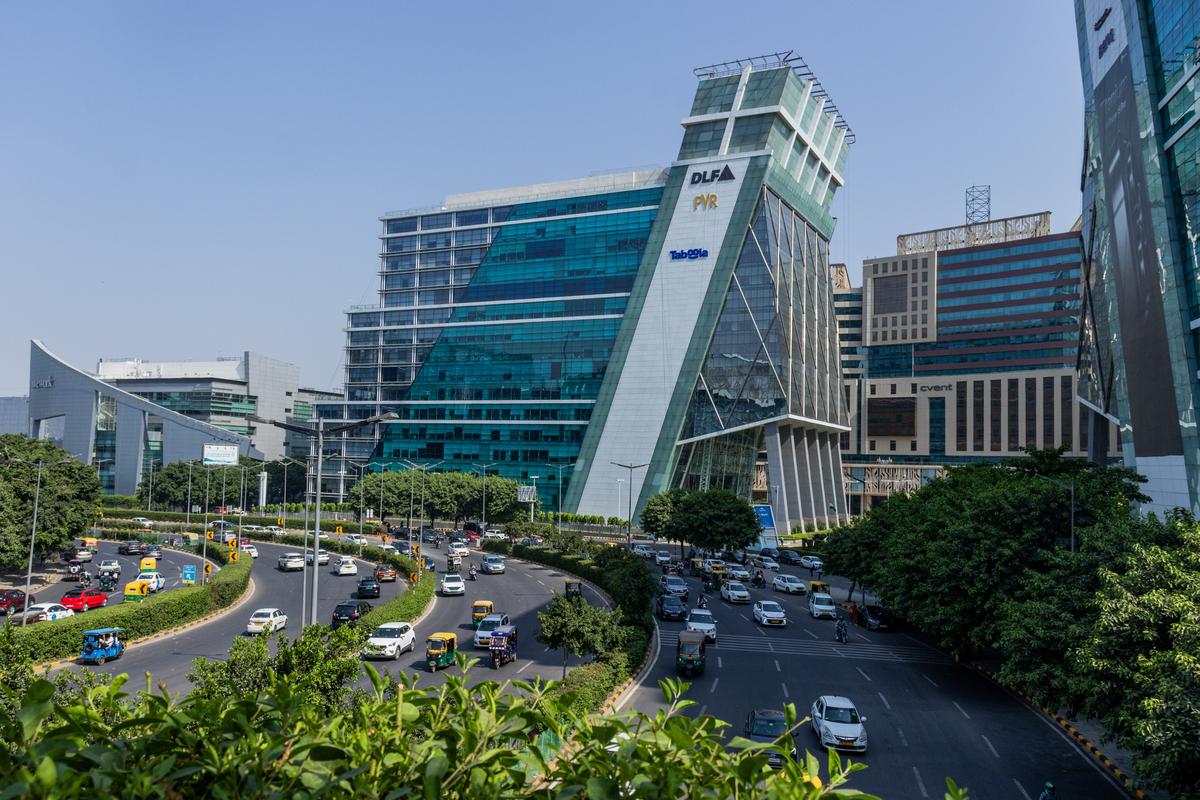
Photo by Soma Basu
Business Case Study on DLF Limited: A Timeless Example of Vision, Trust, and Business Growth Strategy
Every successful business has a story of ambition, struggle, risk, and transformation. The journey of DLF Limited is one such inspiring example. From a small real estate venture to becoming one of India’s most recognized property developers, DLF’s growth offers valuable lessons for entrepreneurs, business leaders, students, and startups.
This business case study explores how DLF Limited navigated market challenges, economic downturns, competition, and changing customer expectations to build a powerful brand in the Indian real estate sector. Readers will learn about the company’s origins, key business challenges, strategic decisions, and the practical lessons that can be applied to businesses across industries.
For anyone interested in business growth strategy, marketing strategy, branding success, and long-term business sustainability, DLF’s journey provides valuable insights.
—
Company Background: The Beginning of DLF Limited
DLF Limited was founded by Chaudhary Raghvendra Singh in 1946. The company began its journey in Delhi, India, during a period when the country was undergoing major economic and social transformation.
The founder recognized the growing need for planned urban development and quality housing. His vision was to create modern residential and commercial spaces that could support India’s future growth.
In its early years, DLF focused on developing residential colonies in Delhi. However, government restrictions on private real estate development in Delhi created significant challenges for the company. Instead of giving up, DLF adapted its strategy and shifted its focus toward emerging locations, particularly Gurgaon, now known as Gurugram.
This decision would later become one of the most important turning points in the company’s history.
Vision and Mission
DLF’s vision has always centered around creating world-class infrastructure and contributing to urban development. The company aimed to provide quality residential, commercial, and retail spaces while continuously improving customer experiences.
Its mission focused on innovation, sustainable development, and building long-term value for stakeholders.
—
The Challenges DLF Faced
Like many large organizations, DLF’s success was not achieved without obstacles. The company encountered multiple business challenges throughout its journey.
1. Market Competition
As India’s real estate industry expanded, numerous developers entered the market. Competition intensified across residential, commercial, and retail segments.
New companies offered competitive pricing, innovative designs, and aggressive marketing strategies, forcing DLF to continuously improve its offerings.
2. Financial Challenges
The real estate industry is highly capital-intensive. Large projects require significant investments and long development cycles.
During economic slowdowns and market downturns, property demand decreased, affecting sales and cash flow. Managing debt and maintaining financial stability became critical challenges for DLF.
3. Branding and Trust Issues
Real estate customers invest substantial amounts of money and expect transparency, quality, and timely delivery.
Any delays or market uncertainty can impact customer trust. Maintaining a strong reputation in such an environment required constant effort.
4. Growth Management
As DLF expanded into multiple cities and business segments, managing large-scale operations became increasingly complex.
Coordinating projects, managing resources, maintaining quality standards, and ensuring customer satisfaction demanded strong leadership and efficient systems.
5. Changing Customer Expectations
Modern customers increasingly sought premium amenities, sustainable infrastructure, smart technologies, and enhanced living experiences.
DLF needed to evolve continuously to meet these changing expectations.
—
The Turning Point: Strategic Decisions That Changed the Game
DLF’s remarkable growth was driven by a series of smart strategic decisions.
Expansion into Gurugram
One of the company’s most important moves was investing heavily in Gurugram when the city was still developing.
DLF recognized the area’s potential before many competitors. By creating residential communities, office spaces, and commercial developments, the company helped transform Gurugram into a major business hub.
This forward-thinking business growth strategy created a significant competitive advantage.
Strong Branding Strategy
DLF positioned itself as a premium and trusted real estate brand.
The company focused on delivering quality projects, maintaining professional standards, and creating long-term customer relationships. This branding success helped DLF stand out in a crowded marketplace.
Diversification
Rather than relying solely on residential projects, DLF expanded into commercial properties, shopping malls, office complexes, and luxury developments.
Diversification reduced risk and created multiple revenue streams.
Innovation and Infrastructure Development
DLF invested in modern construction techniques, better project planning, and large-scale infrastructure development.
Its integrated townships, business parks, and premium commercial spaces became benchmarks within the industry.
Marketing and Customer Engagement DLF adopted both traditional and modern marketing strategy approaches.
The company utilized print media, outdoor advertising, public relations, digital platforms, and customer engagement initiatives to strengthen brand visibility.
Digital marketing efforts also improved customer communication and lead generation.
Leadership and Long-Term Vision
Strong leadership played a crucial role in DLF’s growth. Management consistently focused on long-term value creation rather than short-term gains. Strategic planning, market understanding, and risk management helped the company navigate industry fluctuations.
—
Results and Business Impact The impact of DLF’s strategies can be seen through its sustained market presence and industry leadership.
Revenue Growth Over the years, DLF has generated substantial revenues through residential, commercial, and retail developments. Its diversified business model contributed to financial resilience.
Brand Recognition Today, DLF is among India’s most recognized real estate brands. The company has built strong brand equity through quality, scale, and consistency.
Market Expansion DLF expanded across multiple cities and developed some of India’s most prominent residential communities, office spaces, and retail destinations.
Customer Base Growth Thousands of homeowners, businesses, and investors have chosen DLF projects, reflecting strong customer confidence.
Industry Influence DLF played a significant role in shaping modern urban development, particularly in Gurugram, which has become a major corporate and residential destination.
—
Pinehills Business Solutions Analysis
At Pinehills Business Solutions, we believe DLF’s journey offers important lessons for organizations of all sizes.
Key Lessons for Businesses
Think Long-Term
DLF’s investment in emerging markets demonstrates the importance of strategic thinking. Businesses should focus on future opportunities rather than only immediate results.
Adapt to Change
Market conditions change constantly. Companies that adapt quickly are more likely to survive and grow.
Build a Strong Brand
Brand reputation is one of the most valuable business assets. Consistency, quality, and customer trust create long-term advantages.
Diversify Revenue Sources
Depending on a single product or market can increase risk. Diversification improves stability and growth potential.
Mistakes Businesses Should Avoid
– Ignoring market trends
– Expanding without proper planning
– Neglecting customer experience
– Failing to manage financial risks
– Prioritizing short-term profits over long-term sustainability
Advice for Startups and Indian Entrepreneurs
For startups and small businesses, DLF’s story highlights the importance of patience, resilience, and strategic execution.
Success rarely happens overnight. Entrepreneurs should focus on solving customer problems, building trust, and continuously improving their products or services.
These business tips for startups can help create a strong foundation for sustainable growth.
—
Human Lessons Behind the Success
Behind every successful organization are people who take risks, face uncertainty, and persevere through challenges.
DLF’s journey reflects determination, adaptability, and confidence in a long-term vision. The company faced regulatory barriers, economic downturns, and competitive pressures, yet continued moving forward.
Its story reminds us that business success is not simply about profits. It is about leadership, courage, innovation, and the willingness to keep building even when the path is difficult.
—
Conclusion
The DLF Limited business case study demonstrates how vision, strategic planning, branding success, innovation, and resilience can transform a company into an industry leader. From its humble beginnings in 1946 to becoming a dominant force in Indian real estate, DLF’s journey offers valuable lessons for businesses of every size.
At Pinehills Business Solutions, we help organizations apply these same principles to achieve sustainable growth. Whether you need business consulting India services, branding support, marketing strategy development, school project assistance, event management solutions, or a customized business growth strategy, our team is ready to help.
Contact Pinehills Business Solutions today and discover how expert guidance can turn your business vision into measurable success.