
Brand Identity Explained: The Complete Strategic Guide for Modern Businesses
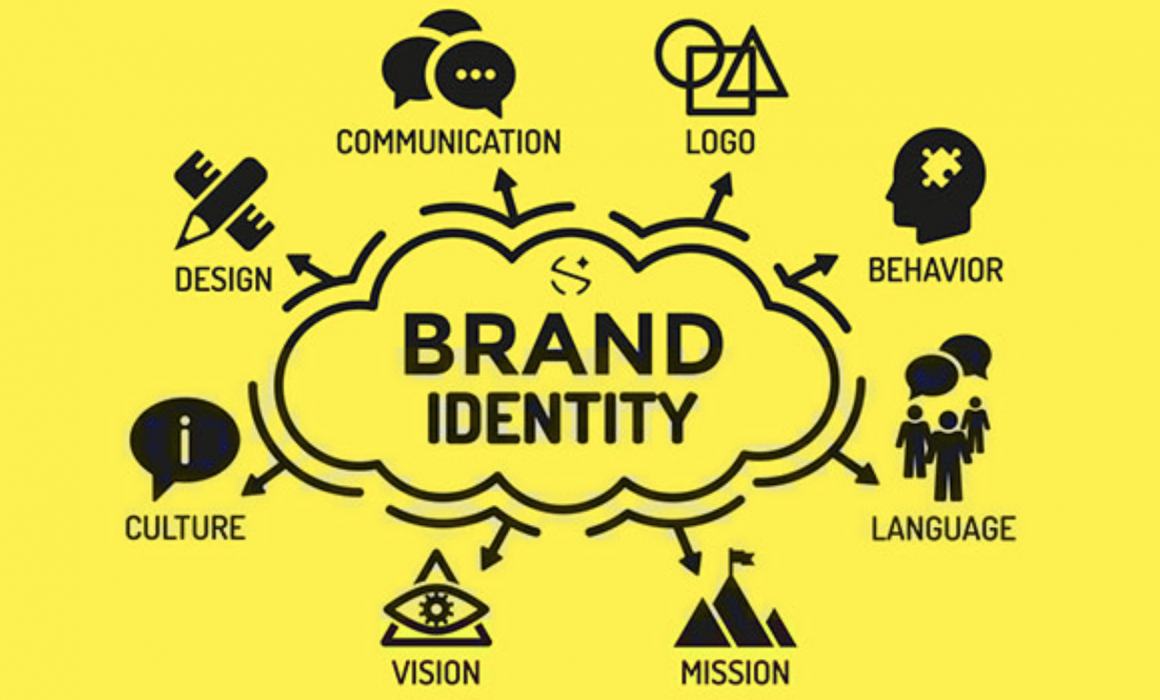
Photo by Lauren De Villiers
Brand Identity Explained: The Complete Strategic Guide for Modern Businesses
In an increasingly saturated global marketplace, products can be replicated overnight, pricing wars can erode margins, and features quickly become commoditized. What cannot be easily copied is how a company makes its market think, feel, and act. That enduring distinction is rooted entirely in brand identity.
Whether you are scaling a direct-to-consumer startup in Bengaluru, managing a legacy manufacturing firm, or consulting for global enterprises, your brand identity serves as the operational blueprint for how your organization is perceived across every touchpoint. It bridges internal company values with outward customer perception.
Far from being a mere aesthetic exercise, an authentic, cohesive identity drives pricing power, lowers customer acquisition costs, and builds defensible market equity over time.
What Is Brand Identity? Moving Beyond the Logo
A common misconception among early-stage founders and small business owners is equating brand identity solely with visual assets such as logos, color palettes, and typography. While those visual components are vital, they represent only the surface level.
To understand brand identity clearly, consider the foundational distinctions established in corporate strategy:
-
Brand: The emotional, visceral perception that exists entirely in the customer’s mind (what others say about you when you leave the room).
-
Branding: The active, ongoing process of shaping that perception through deliberate actions, messaging, and design.
-
Brand Identity: The complete collection of tangible and intangible assets—visual, verbal, and behavioral—that a company deliberately creates to portray the right image to its stakeholders.
Think of brand identity as a company’s comprehensive personality. It encompasses visual presentation, communication style, customer service standards, and ethical positions on industry issues.
       [ Brand Identity ]
      (What You Project)
              │
              ▼  Strategic Actions & Touchpoints
       [    Branding    ]
              │
              ▼  Audience Interpretation
       [     Brand      ]
      (What They Perceive)
The Core Building Blocks of a Resilient Brand Identity
A complete identity framework relies on two balanced, interconnected dimensions: Visual Assets and Verbal & Strategic Foundations.
1. The Strategic Foundation
-
Brand Purpose and Mission: Why do you exist beyond turning a profit, and what concrete value do you deliver daily?
-
Brand Vision and Values: Where is the enterprise heading over the next decade, and what operational principles govern your decisions along the way?
-
Brand Positioning: The specific territory your brand occupies in the mind of the target customer relative to available alternatives.
2. The Verbal Identity
-
Tone of Voice: The consistent personality reflected in your written and spoken words (e.g., authoritative, witty, empathetic, or analytical).
-
Brand Narrative: The core story detailing the problem you identified, the status quo you challenge, and how your customer succeeds as the hero of the journey.
-
Messaging Frameworks: Standardized elevator pitches, value propositions, and boilerplate copy tailored for different buyer personas.
3. The Visual System
-
Logomark and Wordmark: Distinctive, responsive marks adaptable across mobile apps, print collateral, and large-format signage.
-
Color Architecture: A primary and secondary palette selected through color psychology and accessibility standards (such as WCAG compliance for digital interfaces).
-
Typography Hierarchy: Clear font pairings that balance aesthetic character with legibility across digital screens and traditional print.
-
Imagery and Iconography: A defined standard for photography, vector art, product renders, and UI symbols that maintain uniform mood and texture.
Real-World Case Studies: Brand Identity in Action
Examining established global and regional organizations illustrates how brand identity translates into commercial performance.
Case 1: Tata Group — The Power of Institutional Trust
In the Indian market and across international operations, the Tata identity is anchored in stewardship, integrity, and national nation-building. Every subsidiary, from Tata Motors to TCS, adheres to visual standards governed by the Tata Brand Equity and Business Promotion (BEBP) agreement.
Their verbal identity remains measured, understated, and community-focused. This disciplined consistency allows the enterprise to enter new verticals with immediate trust equity, dramatically reducing the friction typically associated with new market entries.
Case 2: CRED — Distinctive Product Design and Contrarian Tone
Fintech platform CRED entered a crowded Indian payments space with an unconventional identity. Instead of adopting the friendly, pastel-heavy approach common in retail banking, CRED built an identity centered on exclusivity, financial discipline, and premium aesthetics.
Their visual identity utilizes sleek dark-mode interfaces, neo-brutalist digital assets, and stark typography. Their verbal identity leans into dry, intelligent wit. The result is instant memorability and high affinity among high-net-worth consumers.
Case 3: Apple — Minimalism as an Operational Philosophy
Apple demonstrates the commercial value of sensory consistency. From industrial product packaging to sparse, sans-serif digital layouts and retail store layouts, their visual identity embodies simplicity.
Their communication strips out technical jargon in favor of human outcomes (e.g., historical messaging like “1,000 songs in your pocket” rather than detailing hard drive storage limits). This clarity reinforces premium pricing without relying on discounts.
5 Steps to Building a Strategic Brand Identity
Developing an enduring identity requires a disciplined, sequential process. Rushing into visual design before establishing strategic clarity often results in costly rebrands.
┌──────────────────┐     ┌──────────────────┐     ┌──────────────────┐
│ 1. Discovery &   │ ──> │ 2. Positioning & │ ──> │ 3. Verbal        │
│    Audience Data │     │    Value Prop    │     │    Architecture  │
└──────────────────┘     └──────────────────┘     └──────────────────┘
                                                           │
                         ┌──────────────────┐              │
                         │ 5. Governance &  │ <── ┌────────┴─────────┐
                         │    Style Guides  │     │ 4. Visual Design │
                         │                  │     │    Execution     │
                         └──────────────────┘     └──────────────────┘
-
Conduct Rigorous Market and Audience Research:Interview current buyers, survey lost leads, and analyze competitor positioning. Map out customer friction points, unmet expectations, and cultural nuances within your operating territory.
-
Define Your Value Proposition and Positioning Matrix:Isolate the intersection of what your audience demands, what your company does exceptionally well, and what competitors fail to deliver. Document this in a single positioning statement.
-
Draft the Verbal Identity System:Establish clear voice characteristics using contrasting parameters (e.g., “Confident, but never arrogant; technical, but accessible”). Write sample customer service replies, social posts, and product release notes to test the parameters.
-
Design the Visual Identity System:Translate the positioning into visual assets. Ensure the identity is tested in real-world environments—such as app icons on cracked smartphone screens, monochrome factory invoices, and presentation slide decks—rather than relying solely on clean design mockups.
-
Compile and Enforce Brand Guidelines:Produce a central, accessible Brand Style Guide covering asset usage, minimum clear space for logos, typography rules, tone examples, and direct “what not to do” scenarios.
Common Brand Identity Mistakes to Avoid
Even well-funded organizations make missteps that dilute market positioning:
-
Designing for the Founder Instead of the Customer: Selecting color schemes, fonts, or messaging based on personal preferences rather than audience resonance and legibility.
-
Inconsistency Across Digital and Physical Channels: Presenting a polished, modern image on Instagram or LinkedIn while delivering confusing invoices, outdated retail packaging, or clunky enterprise software.
-
Trend-Chasing: Abandoning brand equity to adopt short-lived visual trends (such as overused gradients or generic geometric minimalism) that make the business indistinguishable from competitors.
-
Treating Brand Guidelines as Static PDFs: Locking brand rules away in a file that employees never read. Brand systems must be integrated directly into design tools, presentation templates, and marketing workflows.
-
Disconnecting Culture from Marketing: Promoting a brand promise of exceptional care while delivering slow customer support or fostering poor internal workplace conditions.
Industry Best Practices for Long-Term Brand Equity
To ensure your brand identity remains effective as your business scales:
-
Build for Digital-First Environments: Ensure icons, logos, and UI elements scale cleanly down to 16×16 pixel favicons without loss of legibility.
-
Prioritize Accessibility (A11y): Test text-to-background contrast ratios and avoid color combinations that exclude neurodiverse or visually impaired users.
-
Empower Non-Designers with Governance: Supply sales, HR, and operations teams with modular templates for slide decks, documentation, and external emails to prevent ad-hoc brand degradation.
-
Schedule Periodic Brand Health Audits: Review all public touchpoints annually to retire outdated imagery, update product messaging, and ensure strategic alignment with business growth.
Frequently Asked Questions (FAQs)
What is the difference between brand identity and brand image?
Brand identity is internally driven—it is the specific combination of visual, verbal, and strategic components your company deliberately builds and projects. Brand image is externally driven—it is the actual impression held by customers, partners, and the general public based on their real-world experiences with your business.
How much does it cost to build a professional brand identity?
Costs vary based on organizational scale and operational scope. A freelance specialist developing a basic identity for a local small business might charge between $1,500 and $5,000 (approximately ₹50,000 to ₹3,00,000). A comprehensive corporate identity program—encompassing market research, positioning, messaging, multi-channel design systems, and change management—typically ranges from $15,000 to $100,000+ depending on enterprise complexity.
How often should a business update or refresh its brand identity?
A complete rebrand is rarely required unless a company undergoes a major pivot, merger, or severe reputational challenge. However, a brand refresh—modernizing typography, updating digital color palettes, and sharpening voice guidelines—is standard every 3 to 5 years to stay relevant amid changing market dynamics.
Can a small B2B business succeed without an extensive visual identity?
A B2B company can win early contracts through founder relationships and sales execution, but scaling without a clear identity becomes inefficient. B2B buyers manage professional risk; a coherent, professional identity communicates stability, credibility, and operational maturity, which accelerates sales cycles and protects profit margins.
How do we measure the ROI of brand identity investments?
While brand equity compounds over time, direct indicators include improvements in inbound organic leads, higher conversion rates on marketing collateral, increased customer retention, reduced price sensitivity, and shorter B2B sales cycles.
Key Takeaways for Market Leaders
A brand identity is an operational asset, not an artistic luxury. It is the visual, verbal, and behavioral bridge between your strategic vision and your target market.
By grounding your identity in thorough research, maintaining disciplined consistency across every customer touchpoint, and aligning internal culture with external promises, you construct a clear identity that drives sustained commercial growth.
Accelerate Your Business Growth with Pinehills
Is your brand identity clearly communicating your true market value, or is it holding your business back?
At Pinehills Business Solutions, we partner with ambitious founders, established small businesses, and enterprise leaders to deliver high-impact business consulting, strategic branding, digital transformation, marketing strategy, and AI solutions.
Connect with our consulting team today to transform your brand into a defensible competitive advantage.