
The Psychology of Packaging Design: How Visuals Influence Consumer Buying Decisions
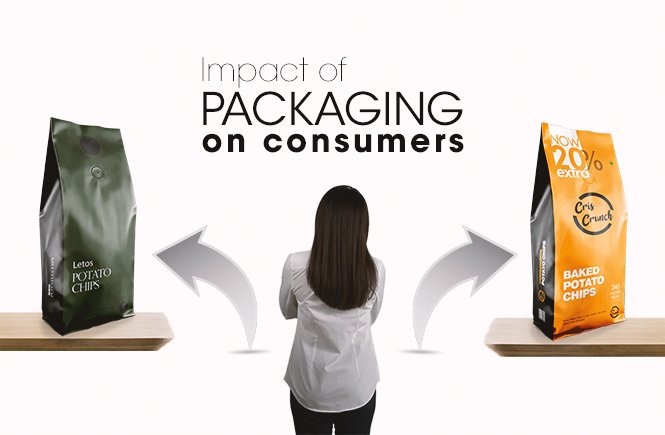
Photo by Miraj Group
The Psychology of Packaging Design: How Visuals Influence Consumer Buying Decisions
Long before a customer reads your product label, evaluates your ingredients, or checks your price tag, they make a subconscious decision. In a fraction of a second, their eyes lock onto your product packaging, and a complex mental calculation begins. This silent salesperson does the heavy lifting in retail and e-commerce spaces alike.
Welcome to the world of packaging design psychology—the strategic intersection of art, marketing, and human behavior. Whether you are launching a D2C startup in Bengaluru or scaling an established manufacturing enterprise, understanding how shape, color, and texture influence purchasing decisions is vital. Packaging is no longer just a protective outer layer; it is the ultimate emotional bridge between your brand and your buyer.
Main Content
The Core Elements of Packaging Psychology
Every visual choice you make on your product box or wrapper sends a distinct psychological signal. Consumers do not buy products; they buy the feelings, status, and solutions those products promise.
-
Color Emotion: Colors trigger immediate emotional responses. For instance, green denotes health and sustainability, while blue inspires trust and security. Luxury brands frequently rely on black or minimalist white to communicate exclusivity.
-
Typography and Readability: Font styles tell a story before a word is read. Serif fonts evoke tradition and reliability, whereas sleek sans-serif fonts project modernity and efficiency.
-
Tactile Feedback (Texture): The weight of a box, the matte finish of a label, or the crisp snap of an opening lid validates product quality before the item is even used.
How Consumer Behavior Drives Design Choices
Consumer psychology proves that shoppers rely heavily on heuristic thinking—mental shortcuts—to make quick choices on crowded shelves. If your packaging fails to communicate value instantly, customers will default to competitors.
In emerging markets like India, where retail shelves are vibrant and diverse, packaging must instantly establish trust. Consumers look for cultural cues, clear value propositions, and certifications that validate safety. When your design aligns with these mental triggers, conversion rates naturally rise.
Practical Examples
To see packaging psychology in action, look at industry leaders who have mastered the art:
-
Apple: Apple’s unboxing experience is a masterclass in luxury psychology. The slow-glide lid, immaculate white boxes, and hidden cords create a ritualistic sense of anticipation, elevating a consumer electronics purchase into a premium event.
-
Paper Boat (Hector Beverages): In India, Paper Boat disrupted the traditional beverage market by using pouch packaging that resembled traditional school-time nostalgia. The tactile feel and emotional storytelling on the back of the packs connected deeply with consumers’ childhood memories.
Best Practices
Implementing effective packaging design requires a balance of creativity and strategic data. Follow these best practices to maximize impact:
-
Prioritize Clarity Over Clutter: Ensure your core brand message and product utility are understood within three seconds.
-
Design for the Digital Shelf: With the rise of e-commerce, your packaging must look striking both in a physical store aisle and as a thumbnail on a smartphone screen.
-
Align with Brand Identity: Consistency matters. Your packaging must seamlessly reflect your website, social media presence, and overall brand ethos.
-
Invest in Sustainable Materials: Modern consumers—especially Gen Z and Millennials—actively prefer eco-friendly packaging solutions that reduce environmental guilt.
Common Mistakes to Avoid
Steer clear of these frequent pitfalls during your packaging redesign or product launch:
-
Ignoring Target Demographics: Designing based purely on personal aesthetic preference rather than what appeals to your specific buyer persona.
-
Sacrificing Functionality for Form: Creating a visually stunning box that is difficult to open, store, or recycle frustrates customers and harms brand loyalty.
-
Overcomplicating the Text: Cramming too many features, claims, and dense paragraphs onto the primary display panel, leads to cognitive overload.
Frequently Asked Questions (FAQs)
What is packaging design psychology?
It is the study of how visual and tactile elements on product packaging influence consumer emotions, perceptions, and ultimately, purchasing decisions.
How does color choice impact product sales?
Colors evoke psychological responses and associations. For example, warm colors like red and orange stimulate urgency and appetite, while cool colors foster trust and calm.
Why is unboxing experience important for startups?
An engaging unboxing experience turns first-time buyers into loyal brand advocates who share their purchases on social media, providing free user-generated marketing.
How can small businesses afford premium packaging?
Startups can leverage smart design tricks, such as custom sticker seals, minimalist kraft boxes, or unique tissue paper, to create a premium feel without massive production costs.
Does packaging design matter for e-commerce products?
Yes. In e-commerce, the shipping box and product packaging serve as your primary physical touchpoints with the customer, directly shaping brand perception and repeat orders.
Conclusion
Packaging design psychology is a potent tool that bridges the gap between marketing strategy and human emotion. By understanding what drives your customers’ subconscious choices, you can transform ordinary boxes and wrappers into powerful conversion engines. Whether you are refining an existing product line or introducing a fresh innovation to the market, investing thoughtful effort into your packaging yields measurable returns in brand equity and sales growth.
Call-to-Action
Ready to elevate your brand identity and accelerate your business growth? Connect with Pinehills Business Solutions today. Our expert team specializes in comprehensive business consulting, branding, digital transformation, AI solutions, and strategic marketing tailored to take your enterprise to the next level. Let us help you design a brand that wins both hearts and markets!