
The Power of Storytelling in Branding: A Strategic Guide for Businesses
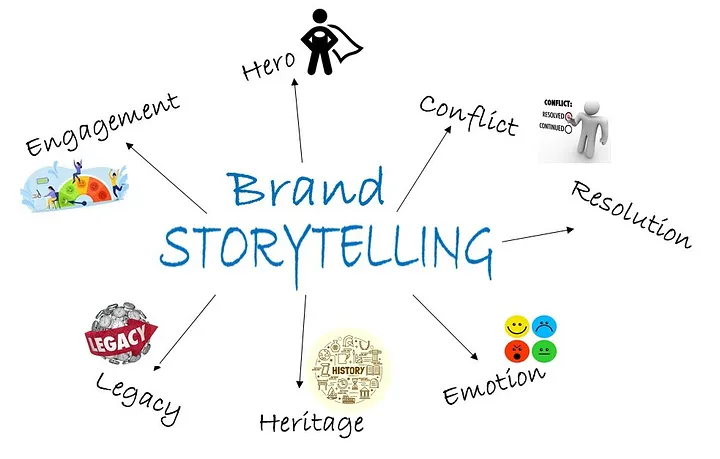
Photo by Nadim Khattar
The Power of Storytelling in Branding: A Strategic Guide for Businesses
In a hyper-competitive marketplace, consumers are bombarded with thousands of marketing messages every single day. If you are competing solely on price or features, you are playing a difficult and exhausting game. So, how do you make your business stand out? The answer lies in human psychology: we are hardwired for stories.
Storytelling in branding is the art of using a narrative to connect your brand’s values with your customers’ values. It goes beyond what you sell and focuses on why you exist. A compelling brand story humanizes your business, turning passive buyers into loyal advocates. Whether you are a tech startup founder, a freelance consultant, or a seasoned corporate executive, mastering your brand narrative is no longer optional—it is a critical driver of business growth. In this guide, we will explore how to craft a brand story that captures attention, builds undeniable trust, and directly impacts your bottom line.
What is Storytelling in Branding?
At its core, brand storytelling is the cohesive narrative that weaves together the facts and emotions that your brand evokes. It includes your origins, your mission, your values, and the real-world impact you have on your customers. It is not just an “About Us” page; it is the overarching message communicated through your website copy, social media, visual design, and customer service.
Why Brand Storytelling is Critical for Business Growth
-
Builds Emotional Connections: People make purchasing decisions based on emotion and justify them with logic. A good story taps into those emotions.
-
Enhances Memory and Recall: Information delivered as a story is up to 22 times more memorable than facts and figures alone.
-
Commands Premium Pricing: Customers are willing to pay more for products that belong to a brand they deeply resonate with.
-
Fosters Brand Loyalty: When customers align with your brand’s mission, they stop looking for alternatives and become brand ambassadors.
Step-by-Step Guide to Crafting Your Brand Narrative
Creating a powerful story requires strategy. Follow these steps to build a narrative that resonates:
Step 1: Define Your “Why”
Before you can tell a story, you need to know your purpose. Why was this business started? What problem were you desperate to solve? Your origin story is the foundation of your authenticity.
Step 2: Make Your Customer the Hero
Your brand is not the hero of the story; your customer is. Your business should play the role of the “guide” (like Yoda to Luke Skywalker). Frame your narrative around the customer’s journey, their aspirations, and their challenges.
Step 3: Identify the Conflict
Every great story needs a conflict or a problem. What is the primary pain point your target audience is facing? Acknowledge their struggle to show empathy and understanding.
Step 4: Present the Resolution
Introduce your product or service as the tool that helps the hero (the customer) overcome their conflict. Clearly articulate how their life or business improves after working with you.
Practical Examples of Storytelling in Branding
To understand how this looks in the real world, let’s look at a few distinct examples:
-
The Global Giant (Nike): Nike rarely talks about the technical specifications of their shoe soles. Instead, their story is about overcoming adversity. They sell the narrative that there is a great athlete inside everyone (“Just Do It”), positioning themselves as the tool to help you achieve greatness.
-
The Indian Legacy (Tata Group): Tata’s brand narrative is deeply woven into the fabric of nation-building. Their storytelling focuses on trust, community welfare, and ethical business practices. When people buy a Tata product, they feel they are investing in the growth and integrity of the country.
-
The B2B Small Business: Consider a bakery raw material wholesale business. Instead of just listing competitive prices for bulk flour, yeast, and sugar, a strong brand narrative would focus on empowering local bakers. The story shifts to how providing high-quality, reliable ingredients helps neighborhood sweet shops and independent bakers craft moments of joy and celebration for families. It transforms a commodity business into a community partner.
Best Practices for Effective Brand Storytelling
-
Be Authentic: Modern consumers have a highly tuned radar for corporate fluff. Speak truthfully about your journey, including the failures and lessons learned.
-
Maintain Consistency: Your story must be consistent across every touchpoint—from a LinkedIn post to a customer support email.
-
Show, Don’t Just Tell: Use customer testimonials, case studies, and user-generated content to prove your narrative rather than just claiming it.
-
Use Multimedia: Leverage video, podcasts, and strong visual branding. A well-designed logo and consistent color palette silently reinforce your written story.
Common Mistakes to Avoid
-
Making It All About You: Emphasizing how great your company is, rather than how great your customer can become by using your product.
-
Being Too Sales-Heavy: A story that quickly devolves into a hard pitch ruins the emotional connection. Focus on value first.
-
Inconsistent Messaging: Changing your brand’s core values or tone of voice every few months confuses your audience and dilutes trust.
-
Ignoring the Audience’s Reality: Crafting a story that uses heavy corporate jargon instead of speaking the natural language of your target market.
Frequently Asked Questions (FAQs)
1. Does brand storytelling only work for B2C companies?
No, B2B companies benefit immensely from storytelling. Businesses don’t buy from businesses; people buy from people. A B2B narrative that highlights efficiency, partnership, and growth can be incredibly powerful.
2. How long should my brand story be?
Your brand story isn’t a single document; it’s a concept. You should have a short “elevator pitch” version, a mid-length version for your website, and a continuous narrative told daily through your marketing channels.
3. Can a startup without a long history have a brand story?
Absolutely. Startups can focus their narrative on the vision for the future, the specific frustration that led the founders to create the product, and the innovative disruption they are bringing to the market.
4. How do I measure the ROI of brand storytelling?
While harder to track than direct-response ads, you can measure storytelling ROI through increased brand search volume, higher engagement rates on social media, improved customer retention, and qualitative feedback from sales calls.
5. Should my brand story evolve?
Yes. While your core values (your “why”) should remain steady, how you tell your story should adapt as your company scales, enters new markets, or releases new product lines.
Conclusion
Storytelling in branding is the bridge between a business and its audience. It transforms faceless corporations and new startups into relatable, trustworthy entities. By defining your core purpose, making your customer the hero, and consistently delivering authentic messaging, you can build a brand that not only survives market shifts but thrives in them. Remember, people do not buy goods and services; they buy relationships, stories, and magic.
Ready to craft a compelling brand story that drives real business growth?
At Pinehills Business Solutions, we specialize in helping entrepreneurs, startups, and established businesses scale through expert business consulting, branding, AI solutions, and digital transformation. Connect with Pinehills Business Solutions today, and let us help you build a brand that leaves a lasting legacy.