
Business Case Study on Bank of Baroda: A Timeless Example of Vision, Trust, and Business Growth Strategy
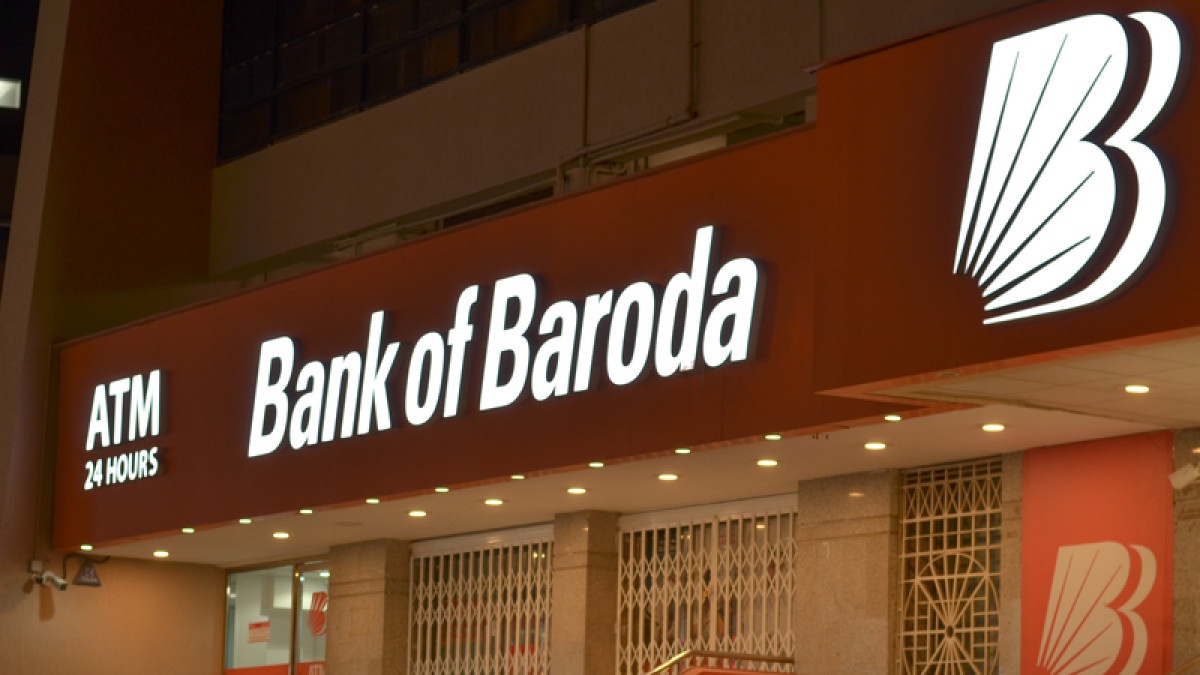
Photo by FE Bureau
Business Case Study on Bank of Baroda: A Timeless Example of Vision, Trust, and Business Growth Strategy
In today’s rapidly evolving financial landscape, even century-old institutions must adapt to changing customer expectations, technological advancements, and increasing competition. The story of Bank of Baroda is a remarkable example of how a traditional banking institution transformed itself into a modern, customer-focused financial powerhouse. This business case study explores the challenges, strategic decisions, and innovations that helped the bank maintain its relevance in an increasingly digital world.
Whether you are a student, entrepreneur, startup founder, or business leader, this case offers valuable insights into business growth strategy, marketing strategy, leadership, branding, and digital transformation. At Pinehills Business Solutions, we believe that studying successful organizations helps businesses make smarter decisions and build sustainable growth.
The Background of Bank of Baroda
Bank of Baroda was founded by Maharaja Sayajirao Gaekwad III on 20 July 1908 in Baroda (now Vadodara), Gujarat, India. The Maharaja believed that access to banking services would strengthen the local economy and improve the financial well-being of people from all sections of society.
From the beginning, the bank focused on trust, customer service, and financial inclusion. However, building a banking institution during the early twentieth century was not easy. Public awareness about formal banking was limited, many people depended on traditional moneylenders, and expanding operations required significant financial and operational resources.
Despite these challenges, Bank of Baroda steadily expanded across India and eventually established an international presence. Its vision has always been to become a trusted global banking partner by delivering innovative financial solutions while maintaining strong customer relationships. The bank’s mission emphasizes customer satisfaction, responsible banking, digital innovation, and inclusive financial growth.
The Challenges That Tested the Bank
Like many established financial institutions, Bank of Baroda encountered several major challenges over the years.
Growing Competition
The Indian banking sector became increasingly competitive with the expansion of private banks offering faster services, attractive digital products, and superior customer experiences. New fintech companies further intensified competition by providing convenient mobile-first financial services.
Branding Challenges
Although Bank of Baroda enjoyed a long-standing reputation, younger customers often viewed public sector banks as slow, traditional, and less innovative. Modernizing this perception became essential to attract the next generation of customers.
Digital Transformation
As customers shifted toward online and mobile banking, the bank needed to modernize its technology infrastructure while maintaining security, regulatory compliance, and operational efficiency.
Managing Large-Scale Operations
Operating thousands of branches across India and overseas created management complexities. Maintaining consistent customer service, improving employee productivity, and integrating technology across such a large network required careful planning.
Financial and Operational Pressure
Like several public sector banks, Bank of Baroda also faced pressure from non-performing assets (NPAs), changing regulations, and the need to improve profitability while supporting economic development.
The Turning Point: Strategic Transformation
Instead of resisting change, Bank of Baroda embraced transformation through a combination of leadership, technology, customer focus, and strategic expansion.
Digital Banking Revolution
The bank invested significantly in digital banking platforms, mobile applications, internet banking, and secure digital payment systems. Customers gained easier access to banking services anytime and anywhere, improving convenience and satisfaction.
Customer-Centric Marketing Strategy
Rather than relying only on its historical reputation, the bank adopted a modern marketing strategy focused on customer needs. Digital campaigns, financial awareness initiatives, and improved communication helped strengthen customer engagement across multiple platforms.
Stronger Branding Strategy
A refreshed visual identity, modern branch experiences, and improved digital presence helped position Bank of Baroda as a progressive financial institution. This branding success demonstrated that even legacy organizations can remain relevant through thoughtful modernization.
Leadership Through Consolidation
One of the most significant strategic decisions came when Bank of Baroda successfully integrated Vijaya Bank and Dena Bank in 2019. The merger expanded the customer base, increased operational scale, and strengthened the bank’s competitive position in India’s banking industry.
Innovation and Customer Experience
The bank continuously introduced digital products, self-service banking, improved mobile applications, faster loan processing, and enhanced customer support. These innovations improved operational efficiency while delivering greater value to customers.
Real Business Impact
The transformation delivered measurable results across multiple business areas.
The successful merger significantly increased the bank’s branch network, customer reach, and market presence. Continued investment in digital banking led to substantial growth in mobile banking users and digital transactions.
Financial performance also improved over time as the bank strengthened risk management practices, enhanced operational efficiency, and reduced stressed assets. Better profitability enabled further investments in technology and customer service.
Brand recognition grew as customers increasingly associated Bank of Baroda with innovation rather than only tradition. Its expanding international presence further reinforced its reputation as one of India’s leading global banks.
The bank also strengthened its presence across digital channels, using social media and online platforms to educate customers, promote services, and improve customer interaction. This digital engagement contributed to stronger customer relationships and enhanced public perception.
Pinehills Business Solutions Analysis
At Pinehills Business Solutions, we believe the success of Bank of Baroda offers valuable lessons for organizations across industries.
1. Never Stop Innovating
Long history alone cannot guarantee future success. Every business must continue investing in technology, customer experience, and innovation regardless of its size or reputation.
2. Branding Requires Continuous Improvement
A strong brand is built over decades but can quickly become outdated if it fails to evolve. Refreshing brand identity while maintaining customer trust creates long-term competitive advantage.
3. Customer Experience Drives Growth
Modern customers expect speed, convenience, transparency, and reliability. Businesses that consistently improve customer experience are more likely to achieve sustainable growth.
4. Leadership During Change Matters
Major organizational changes require strong leadership, clear communication, and careful execution. Successful transformation depends on people just as much as technology.
5. Use Digital as a Growth Engine
Digital platforms are not simply operational tools; they are powerful drivers of customer acquisition, marketing, sales, and long-term business growth.
Lessons for Startups, Schools, and Indian Entrepreneurs
This business case study provides practical insights for organizations of every size.
Startups should focus on solving genuine customer problems instead of copying competitors. Small businesses should embrace digital tools early to improve efficiency and reach more customers. Educational institutions can use this case to teach leadership, strategic management, branding, and business transformation. Indian entrepreneurs should remember that sustainable success comes from balancing innovation with trust, disciplined execution, and continuous learning.
Many businesses fail because they ignore changing customer expectations, delay technology adoption, or underestimate branding. Bank of Baroda demonstrates that organizations willing to adapt can remain competitive even after more than a century of operation.
Beyond financial performance, this story highlights the importance of resilience. Every successful organization experiences setbacks, uncertainty, and difficult decisions. What separates successful businesses is their willingness to learn, evolve, and remain committed to serving customers.
Conclusion
The journey of Bank of Baroda proves that transformation is possible at any stage of a company’s life cycle. Through strategic leadership, digital innovation, customer-focused thinking, and consistent execution, the bank successfully strengthened its position in one of the world’s most competitive banking markets.
For business owners, students, and entrepreneurs, this case reinforces an important lesson: sustainable growth is achieved through continuous improvement, thoughtful marketing strategy, effective branding success, and a clear long-term vision.
If you are looking for expert guidance on business consulting India, business growth strategy, branding, digital marketing, event management, school projects, or business tips for startups, Pinehills Business Solutions is ready to help. Our experienced team works with businesses, educational institutions, and entrepreneurs to develop practical strategies that drive measurable growth. Connect with Pinehills Business Solutions today and take the next step toward building a stronger, smarter, and more successful future.