
Event Marketing Renaissance: Hybrid Experiences That Convert in 2026
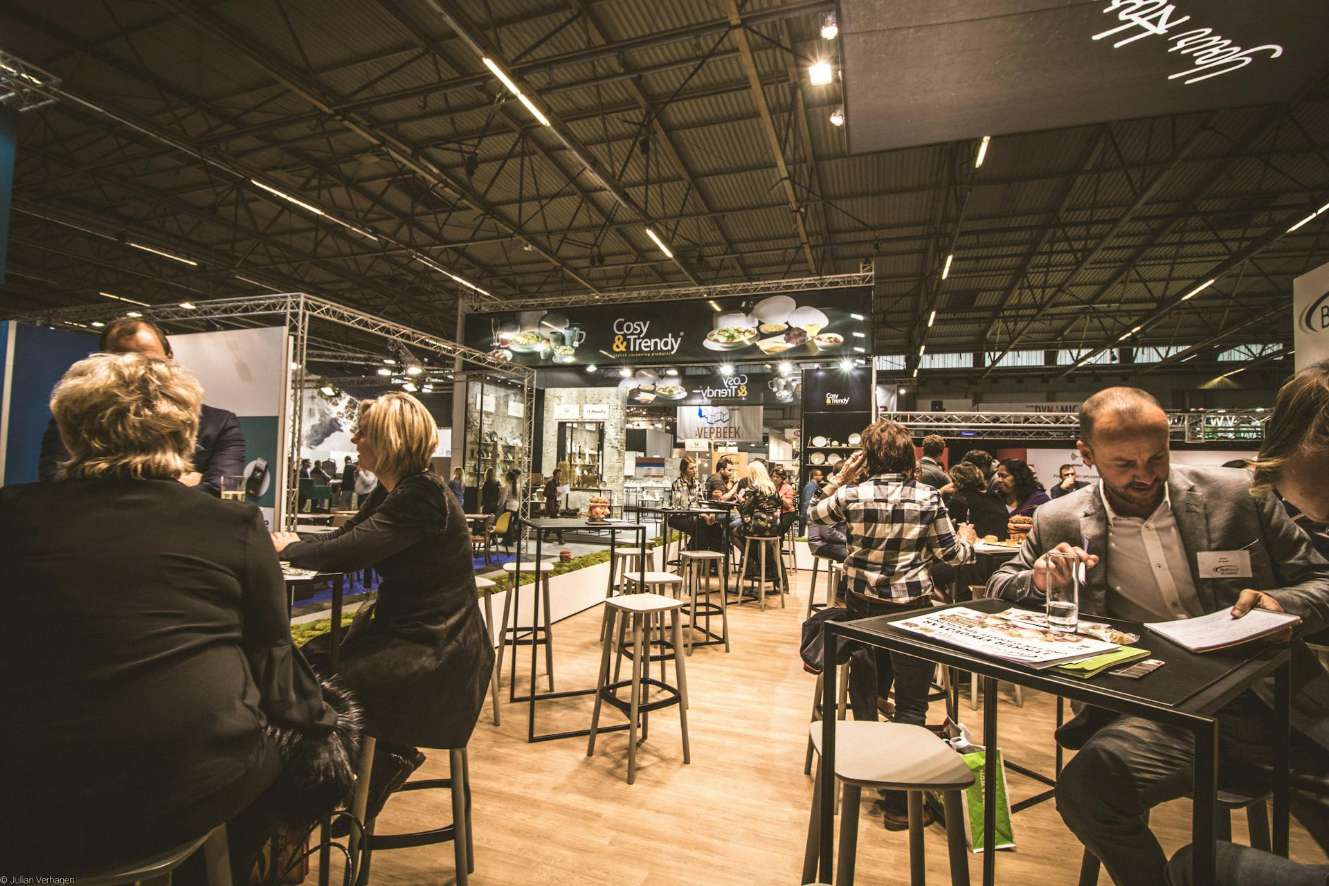
Photo by Julian V
Event Marketing Renaissance: Hybrid Experiences That Convert in 2026
The last few years rewired how people gather. Virtual fatigue met a deep appetite for real-life connection, and the answer wasn’t “in-person only” or “all-virtual” — it was hybrid. In 2026, hybrid event marketing has matured from clunky camera feeds and awkward Q&A sessions into an artful, data-driven discipline that converts attention into action. This post breaks down what works now: the strategy, the tech, the human moments, and the practical steps to design hybrid experiences that actually drive outcomes.
Why hybrid is different (and better) Hybrid isn’t just “stream an in-person event.” It’s a purposeful orchestration of two audiences — physical and virtual — that can complement and amplify each other. Hybrid expands reach without diluting experience when done right. You get the emotional punch of in-person interaction and the scale, convenience, and data visibility of digital channels. That combination is pure conversion fuel: more leads, richer engagement signals, and better sponsorship value.
Design thinking first: attendee-centric planning The best hybrid events are designed from the attendee’s perspective, not the organizer’s. Ask: what does a virtual attendee want that differs from in-person? What does each group value at every stage — awareness, registration, attendance, follow-up?
- Intentional pathways: Create two distinct but intersecting attendee journeys. Some content and networking are exclusive to in-person; other sessions or masterclasses are designed for virtual participants with interactive tools that matter to them.
- Equity of experience: Virtual attendees should feel seen. That means dedicated hosts/moderators, camera angles that capture the room energy, and real-time ways to participate (polls, emoji reactions, live Q&A).
- Accessibility and flexibility: Offer captioning, translated sessions where needed, and on-demand replays so working professionals can engage across time zones.
Experience = content + interaction Content is still king, but interaction is the currency of hybrid events. A static keynote streamed to thousands may register views, but it won’t convert. Blend content formats and make interaction the default.
- Micro-formats: Mix short, punchy sessions (20–30 minutes) with deeper workshops. Short formats increase completion rates for virtual audiences and keep in-person schedules dynamic.
- Interactive storytelling: Use case studies, live demos, and rapid-fire panels with audience-submitted questions. Bring remote participants onto the physical stage via moderated video segments.
- Networking deliberately: Structured networking (roundtables, speed networking with prompts) beats free-for-all. Use breakout rooms for virtual attendees and localized “tables” for in-person groups, then cross-pollinate.
Technology that actually helps (not distracts) Technology should reduce friction and surface behavior signals — not be a flashy gimmick. The right stack supports registration, live interaction, analytics, and post-event conversion.
- Single-event hub: Use a unified platform or tightly integrated tools: registration → agenda → live stream → networking → content hub. Avoid bouncing attendees across too many apps.
- Smart engagement: Live polls, reaction overlays, and moderated chats convert engagement into measurable intent. Use real-time sentiment and participation metrics to prioritize follow-ups.
- Seamless AV and camera choreography: Multiple camera angles, on-stage mics for audience questions, and a dedicated producer for the virtual stream distinguish good hybrid experiences from mediocre ones.
Monetization & sponsorship: rethink value exchange Sponsors want measurable attention, not banners no one sees. Hybrid events offer richer data and creative integrations — but you must package value clearly.
- Data-rich sponsorships: Offer sponsors heatmaps of session popularity, engagement rates, and opt-in leads. Create sponsored micro-experiences (mini-workshops, branded networking lounges) with clear lead capture.
- Tiered exposure: Combine in-person signage with sponsored livestream moments and on-demand placement in the replay library. Make sponsor content actionable (trial signups, gated downloads).
- Performance clauses: Build simple SLAs (e.g., lead minimums, engagement thresholds) to align sponsor expectations with outcomes.
From leads to conversions: the post-event funnel Conversion doesn’t stop when the final applause dies down. A disciplined post-event funnel turns signals into customers.
- Signal segmentation: Use event behavior to segment — who downloaded slides, attended a workshop, asked a question, or stayed for the replay. These signals indicate different intent levels and tailor sales outreach accordingly.
- Content-based nurturing: Match follow-ups to what attendees consumed. If someone watched a product demo, send a tailored case study and an invitation to a product walkthrough.
- Fast, personalized follow-up: Data says speed matters. Send a bespoke thank-you message within 24–48 hours with a clear CTA (book a demo, claim a discount, join a cohort). For high-intent signals, route leads to SDRs immediately.
People first: hosts, moderators, and community builders Your production team is the secret sauce of hybrid success. Great hosts and moderators shrink the distance between remote and live audiences and keep the technical side invisible.
- Dual hosts: One host focuses on the physical stage; the other curates the virtual experience and chat. This keeps both audiences engaged and resolves issues fast.
- Community ambassadors: Assign staff or volunteers to nurture the event’s community before, during, and after. Their role is to seed conversations, surface questions for speakers, and shepherd attendees toward conversion paths.
Measurement: what matters in 2026 Forget vanity metrics. Track signals that correlate with business outcomes.
- Engagement depth: Minutes watched, poll participation, chat contributions, and resource downloads.
- Intent indicators: Session attendance patterns (demo > pricing session), content replays, and session Q&A behavior.
- Conversion conversion: Leads generated per hour of content, demo-to-deal time, and sponsored ROI.
Practical checklist: launching a converting hybrid event
- Define primary goal (lead gen, revenue, thought leadership) and 3 measurable KPIs.
- Map two attendee journeys and design 3 shared moments (e.g., keynote + live poll + cross-audience networking).
- Choose a unified platform; test AV and streaming with a full dress rehearsal.
- Design sponsor packages focused on measurable engagement.
- Build a 30-day post-event nurture plan tied to behavior segments.
- Staff hosts/moderators for both audiences and assign a data analyst to monitor real-time metrics.