
How to Plan a Memorable Product Launch Event on Any Budget
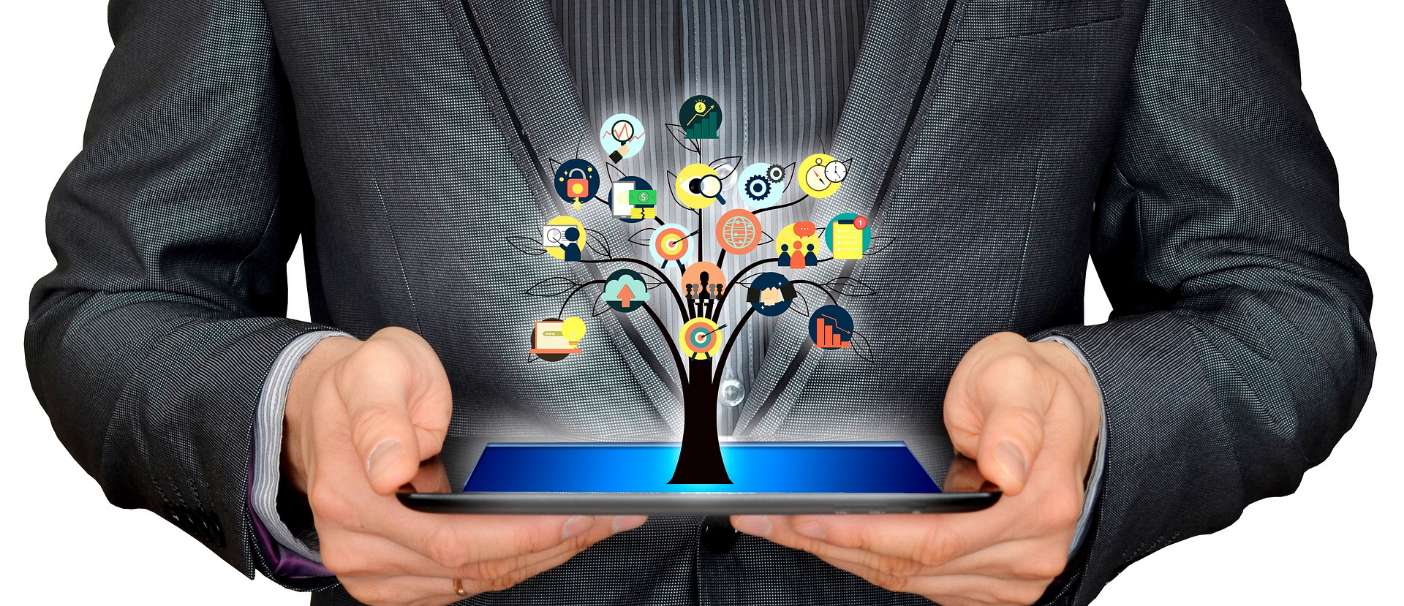
Photo by Gerd Altmann
How to Plan a Memorable Product Launch Event on Any Budget
Launching a new product is an exciting milestone for any business. It’s your moment to tell the world what you’ve built, why it matters, and how it can make life better for your customers. But many entrepreneurs and small business owners assume that a memorable product launch requires a massive budget, celebrity endorsements, or a luxury venue. The truth is far simpler: a successful product launch is about strategy, creativity, and connection—not how much money you spend.
Whether you’re a startup founder, a small business owner, or part of a growing brand, you can plan a powerful product launch event on almost any budget. Here’s a practical, step-by-step guide to help you do just that.
1. Start With a Clear Goal
Before thinking about venues, banners, or guest lists, define the purpose of your product launch. Ask yourself:
- Do you want to generate sales immediately?
- Are you trying to build brand awareness?
- Is the goal to attract investors, partners, or media?
- Do you want customer feedback on a new product?
A clear goal helps you decide everything else—from the format of the event to how much you really need to spend. For example, if your main aim is awareness, a well-executed online launch may be more effective than an expensive physical event.
2. Know Your Audience Inside Out
Your event should be designed for your audience, not for everyone. Understanding who you are launching the product for will help you avoid unnecessary expenses.
Consider:
- Age group and profession
- Online habits (social media platforms, webinars, live streams)
- Location (local, national, or global audience)
- Interests and pain points
A small, targeted audience that truly cares about your product is far more valuable than a large, uninterested crowd.
3. Choose the Right Event Format
One of the biggest budget decisions is the format of your product launch. Thankfully, you now have multiple cost-effective options:
Physical Event
Ideal for local launches, tangible products, or networking-focused events. You can keep costs low by using:
- Your office space
- A co-working space
- A café, studio, or community hall
- A partner’s venue
Virtual Event
Perfect for tight budgets and wider reach. Platforms like Zoom, Google Meet, or YouTube Live allow you to host professional events at minimal cost.
Hybrid Event
Combine a small in-person gathering with a live stream for online attendees. This gives you both intimacy and reach without overspending.
Choose the format that aligns best with your goal and audience—not just what looks impressive.
4. Create a Strong Launch Story
People don’t remember features; they remember stories. A compelling product story can make even a simple launch unforgettable.
Your story should answer:
- What problem does your product solve?
- Why did you create it?
- What makes it different from existing solutions?
- How will it improve the customer’s life?
Weave this story into your event presentation, visuals, videos, and speeches. Authentic storytelling costs nothing but leaves a lasting impact.
5. Focus on Experience, Not Extravagance
You don’t need fancy décor or expensive giveaways to impress your audience. Instead, focus on how people feel during and after the event.
Some budget-friendly experience ideas include:
- Live product demonstrations
- Interactive Q&A sessions
- Polls or quizzes during virtual events
- Hands-on trials for physical products
- Customer testimonials or beta user stories
An engaging experience makes your launch memorable, regardless of the budget.
6. Leverage Free and Low-Cost Marketing Channels
Promoting your event smartly can save you a lot of money. Instead of spending heavily on ads, use organic and low-cost channels effectively.
Social Media
Create countdown posts, behind-the-scenes content, teaser videos, and launch reminders. Encourage your team and early users to share the event.
Email Marketing
Send invitations to your existing customers, subscribers, and leads. Personalized emails often perform better than paid ads.
Partnerships
Collaborate with influencers, industry experts, or complementary brands. They can co-host, speak at, or promote your event in exchange for visibility.
Press & Communities
Share your launch with local media, startup communities, LinkedIn groups, or WhatsApp business networks.
7. Plan a Simple Yet Professional Event Agenda
A well-structured agenda keeps your audience engaged and makes your event feel professional, even on a tight budget.
A simple product launch agenda might include:
- Welcome and introduction
- Brand or founder story
- Product reveal
- Live demo or walkthrough
- Benefits and use cases
- Customer testimonials or case studies
- Q&A session
- Call-to-action (buy, sign up, or follow)
Keep it concise. Respect your audience’s time, and they’ll respect your brand.
8. Use Smart Visuals and Branding
Visual presentation plays a big role in how your launch is perceived. Fortunately, you don’t need a design agency to look professional.
You can:
- Use tools like Canva for banners, presentations, and invites
- Maintain consistent brand colors and fonts
- Use clean slides instead of overcrowded designs
- Ensure good lighting and sound for physical or virtual events
Simple, clean visuals often look more premium than over-designed ones.
9. Engage, Don’t Just Present
A common mistake in product launches is talking too much and listening too little. Engagement creates connection and trust.
Ways to engage your audience include:
- Asking questions during the presentation
- Inviting live feedback
- Running a small contest or giveaway
- Featuring early users or customers
- Responding actively to comments and queries
When people feel involved, they’re more likely to remember your product—and buy it.
10. End With a Clear Call-to-Action
Your product launch should not end with applause alone. Tell your audience exactly what to do next.
Your call-to-action could be:
- Visit your website
- Pre-order the product
- Sign up for a free trial
- Follow your brand on social media
- Book a demo or consultation
Make the next step simple, clear, and exciting.
11. Measure Results and Follow Up
After the event, evaluate its success based on your original goal. Track:
- Attendance and engagement
- Sales or sign-ups
- Social media mentions
- Feedback and questions
Follow up with attendees through emails or messages. Thank them for attending, share highlights, and remind them of your product offer.
Final Thoughts
A memorable product launch doesn’t depend on a big budget—it depends on thoughtful planning, creativity, and genuine connection with your audience. By focusing on your goals, understanding your customers, and delivering a meaningful experience, you can create a powerful launch event that drives awareness, trust, and sales.
Remember, people may forget how grand your event looked, but they will always remember how your product made them feel. And that’s what truly makes a product launch successful—on any budget.