
Business Case Study on TATA Motors: A Timeless Example of Vision, Trust, and Business Growth Strategy
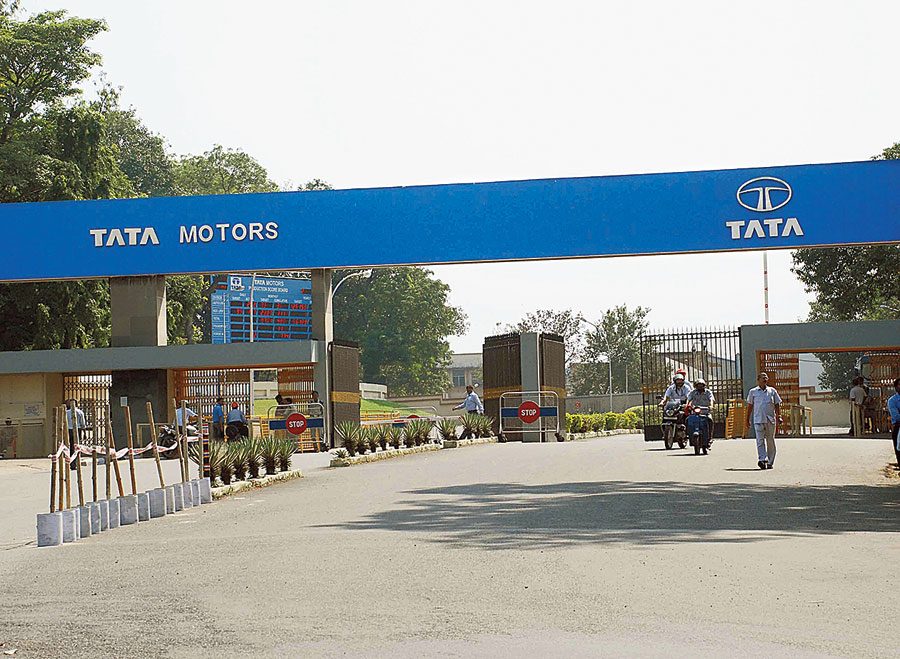
Photo by Pinaki Majumdar
Business Case Study on TATA Motors: A Timeless Example of Vision, Trust, and Business Growth Strategy
Introduction: Why This Business Case Study Matters
Every successful company has a story—but some stories redefine industries. This business case study on TATA Motors is not just about cars; it is about resilience, bold decisions, and long-term vision. From early struggles in the Indian automobile market to becoming a globally recognized brand, TATA Motors offers powerful lessons in business growth strategy, marketing strategy, and branding success.
In this case study, you will learn how a traditional Indian company faced intense competition, overcame failures, reinvented its brand, and built a strong global presence. Whether you are a student, entrepreneur, or business enthusiast, this story provides practical business tips for startups and valuable insights from the lens of Pinehills Business Solutions, a trusted name in business consulting India.
Company Background: The Foundation of TATA Motors
The Founder Story
TATA Motors is part of the legendary Tata Group, founded by Jamsetji Tata. However, the automobile journey began much later under the leadership of J.R.D. Tata, who believed India needed self-reliance in manufacturing and innovation.
When and Where It Started
TATA Motors was established in 1945 in India as Tata Engineering and Locomotive Company (TELCO). Initially, the company focused on manufacturing locomotives and later expanded into commercial vehicles.
Initial Challenges
The early years were not easy:
- Limited technology and infrastructure in India
- Strong dependency on foreign collaborations
- Lack of consumer trust in Indian-made vehicles
- High competition from global automobile giants
Vision and Mission
The company aimed to build affordable, reliable, and innovative vehicles for India and the world. Their mission was rooted in nation-building—creating products that serve both economic and social needs.
The Core Problems: What TATA Motors Faced
Even a giant like TATA Motors had to fight through multiple challenges.
1. Branding Problem
For years, TATA Motors was seen as a manufacturer of trucks and commercial vehicles. Their passenger cars lacked emotional appeal and brand value.
2. Marketing Problem
The company struggled to position its cars as aspirational products. Their marketing strategy lacked strong storytelling and emotional connection.
3. Competition Problem
Global brands like Hyundai, Suzuki, and Honda dominated the Indian passenger vehicle market with better design, performance, and brand perception.
4. Product Failure: The Nano Crisis
The launch of Tata Nano, intended as the “world’s cheapest car,” turned into a branding mistake. Instead of being seen as innovative, it was perceived as “cheap,” damaging the company’s image.
5. Financial Pressure
Heavy investments in new products and global expansion (like Jaguar Land Rover acquisition) created financial strain, especially during initial years.
6. Growth and Management Challenges
Scaling operations while maintaining quality and innovation became a major hurdle. Leadership decisions were critical during this phase.
The Turning Point: Strategy That Changed Everything
TATA Motors did not collapse under pressure—they transformed.
1. Bold Leadership Decisions
Under Ratan Tata and later N. Chandrasekaran, the company shifted its focus toward innovation, design, and global positioning.
2. Strategic Acquisition: Jaguar Land Rover (JLR)
Acquiring JLR in 2008 was a risky move. Many doubted it. But this decision turned into one of the biggest success stories:
- Access to premium technology
- Strong global brand association
- Entry into luxury vehicle market
3. Rebranding Strategy
TATA Motors completely reworked its branding:
- Focus on design and aesthetics
- New tagline: “Connecting Aspirations”
- Emotional storytelling in advertising
4. Product Innovation
The company introduced successful models like:
- Tata Nexon
- Tata Harrier
- Tata Safari (new generation)
These vehicles changed public perception and built branding success.
5. Marketing Strategy Shift
TATA Motors adopted modern marketing strategies:
- Digital marketing campaigns
- Social media engagement
- Influencer collaborations
- Strong focus on customer experience
6. Electric Vehicle (EV) Leadership
TATA Motors took a leadership position in India’s EV market with cars like:
- Tata Nexon EV
- Tata Tiago EV
This forward-thinking move aligned with future sustainability trends.
7. Customer-Centric Approach
The company improved:
- After-sales service
- Customer feedback systems
- Product quality and safety (5-star ratings)
Results: Real Business Impact
The transformation of TATA Motors delivered measurable results.
Revenue Growth
The company saw significant growth in revenue, especially driven by Jaguar Land Rover and EV segments.
Market Share Increase
TATA Motors became one of the top players in India’s passenger vehicle segment.
Brand Recognition
From a “truck company” image to a stylish and innovative car brand, TATA Motors achieved strong branding success.
Expansion
The company strengthened its presence globally across Europe, the UK, and emerging markets.
Social Media Growth
With modern campaigns, TATA Motors built a strong digital presence, engaging younger audiences effectively.
Market Success
Today, TATA Motors is a leader in:
- Electric vehicles in India
- Safe and reliable cars
- Premium design and innovation
Pinehills Business Solutions Analysis: Key Learnings
From a business consulting India perspective, this case study offers powerful insights.
1. Branding Can Make or Break You
Tata Nano’s failure shows that pricing alone cannot define success. Perception matters more than cost.
2. Take Calculated Risks
The JLR acquisition was risky—but it transformed the company. Smart risks are essential for growth.
3. Adapt Your Marketing Strategy
Traditional marketing is not enough. Businesses must embrace digital platforms and emotional storytelling.
4. Focus on Innovation
Continuous product improvement is key to staying competitive.
5. Learn from Failure
Failures are not the end. TATA Motors used its mistakes as stepping stones for success.
6. Customer Experience is Everything
Modern customers expect quality, safety, and service. Ignoring this can destroy a brand.
Advice for Startups and Indian Entrepreneurs
From this business case study, here are practical business tips for startups:
- Don’t compromise on brand positioning
- Invest in long-term growth strategies
- Understand your customer deeply
- Use digital marketing smartly
- Be ready to pivot when needed
- Focus on quality and innovation
For schools, students, and small businesses, this story teaches that success is not instant—it requires patience, learning, and consistent effort.
The Human Side: More Than Just Business
Behind every strategy, there were emotions, risks, and sleepless nights.
Ratan Tata personally believed in the Nano dream, even though it failed. That failure was not weakness—it was courage. The decision to acquire Jaguar Land Rover was not just business—it was belief in India’s potential.
The journey of TATA Motors is a story of:
- Hard work
- Determination
- Risk-taking
- Learning from mistakes
It reminds us that real success comes from persistence, not perfection.
Conclusion: Build Your Own Success Story
The journey of TATA Motors is a masterclass in transformation. From branding struggles to global success, it proves that the right business growth strategy, strong marketing strategy, and bold leadership can change everything.
If you are looking to grow your business, improve your brand, or create a winning strategy, you don’t have to do it alone.
Pinehills Business Solutions is here to help you:
- Business consulting
- Branding and marketing strategy
- School and college projects
- Event management
- Growth planning for startups and businesses
👉 Take the next step in your journey. Connect with Pinehills Business Solutions today and turn your vision into reality.