
Business Case Study on Zomato: A Timeless Example of Vision, Trust, and Business Growth Strategy
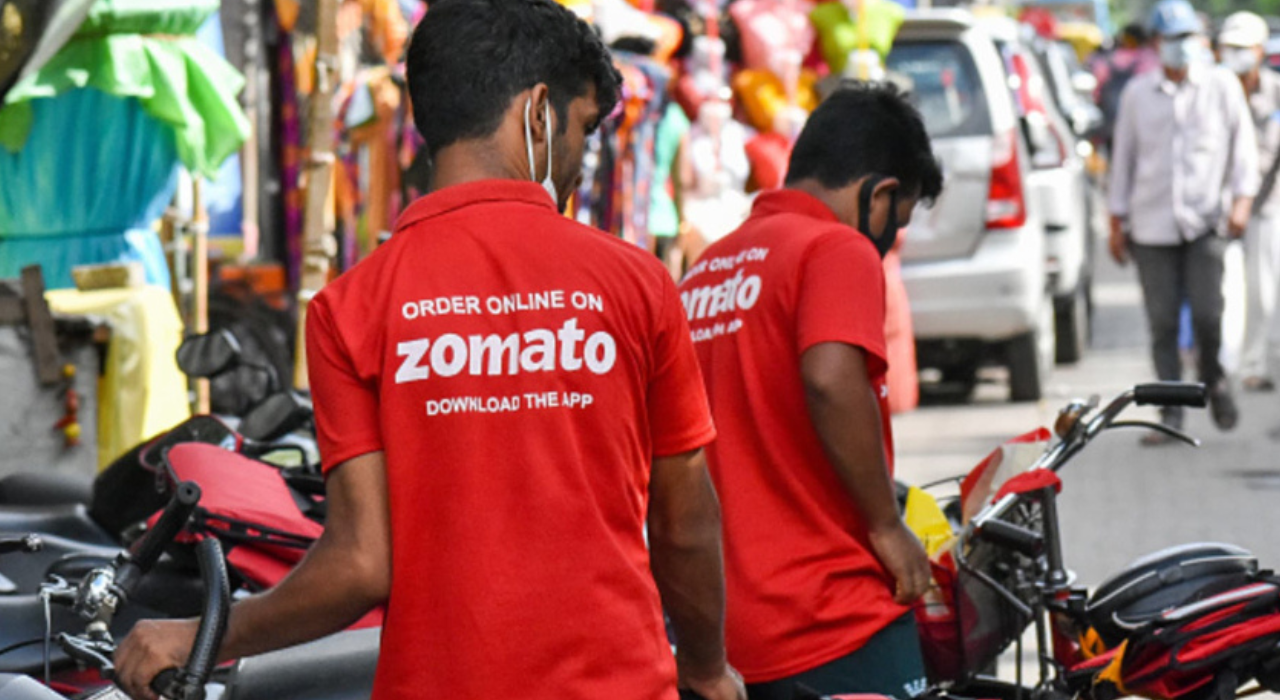
Photo by Bw Retail World Bureau
Business Case Study on Zomato: A Timeless Example of Vision, Trust, and Business Growth Strategy
In today’s digital business world, very few companies have transformed customer behavior as successfully as Zomato. What started as a simple restaurant menu listing platform eventually became one of India’s biggest food-tech brands. This business case study is important because it shows how innovation, customer understanding, smart marketing strategy, and risk-taking can completely change an industry.
For startups, entrepreneurs, students, and business owners, the journey of Zomato offers powerful lessons in branding success, business growth strategy, and digital transformation. In this case study, we will explore how Zomato faced intense competition, financial pressure, and market uncertainty — yet managed to build one of the strongest consumer brands in India.
The Beginning of Zomato: Founder Story and Vision
Zomato was founded in 2008 by Deepinder Goyal and Pankaj Chaddah in New Delhi, India. Deepinder Goyal, an IIT Delhi graduate, noticed a common problem while working at Bain & Company. Employees struggled to find restaurant menus during lunch breaks, wasting time searching for food options.
This simple observation became the foundation of a billion-dollar idea.
Initially launched as “Foodiebay,” the platform allowed users to browse restaurant menus online. At that time, India’s restaurant industry had very limited digital presence. Customers mainly relied on newspaper ads, word-of-mouth recommendations, or physical menus.
The company later rebranded itself as Zomato in 2010 to create a stronger global identity. The founders had a clear vision: to make restaurant discovery and food ordering easier, faster, and more customer-friendly.
However, the journey was far from easy.
Early Challenges and Business Struggles
Like many startups, Zomato faced several major challenges during its early years.
1. Market Awareness Problem
When Zomato started, online food ordering was not a common behavior in India. Most customers were unfamiliar with digital restaurant discovery platforms. Convincing people to trust an online food service became one of the company’s biggest marketing challenges.
2. Financial Pressure
Running a tech startup requires continuous investment. Zomato needed funding for technology, operations, expansion, employee salaries, and customer acquisition. In the beginning, generating stable revenue was difficult because the business model was still evolving.
3. Intense Competition
As the food-tech industry grew, competition increased rapidly. Companies like Swiggy, Uber Eats, and several local startups entered the market aggressively. This forced Zomato to continuously innovate to survive.
4. Branding and Trust Issues
Food delivery directly impacts customer experience. Delayed deliveries, poor packaging, or restaurant quality issues could damage brand reputation. Building customer trust became a major challenge for the company.
5. Operational and Management Complexity
Managing delivery partners, restaurants, customer complaints, and logistics across multiple cities created operational pressure. Scaling quickly without compromising service quality became a difficult balancing act.
The Turning Point: Smart Strategy and Innovation
The real turning point for Zomato came when the company shifted from being only a restaurant discovery platform to becoming a full-scale food delivery ecosystem.
Customer-Centric Business Strategy
Zomato focused heavily on customer convenience. Instead of simply listing restaurants, the company created an easy-to-use mobile app where users could browse menus, read reviews, track deliveries, and make online payments.
This customer-first approach helped Zomato improve user engagement and build loyalty.
Aggressive Digital Marketing Strategy
One of Zomato’s biggest strengths has always been its creative marketing strategy. The company became famous for witty social media campaigns, meme marketing, and relatable advertisements.
Rather than using traditional corporate messaging, Zomato communicated like a friend. Its humorous push notifications and social media content connected strongly with young audiences, especially Gen-Z and millennials.
This branding success helped Zomato stand out in a crowded market.
Strategic Acquisitions and Expansion
Zomato expanded aggressively into international markets and acquired smaller companies to strengthen its business position. The company entered countries like the UAE, South Africa, and Indonesia to increase its global footprint.
Although some expansions faced challenges, the aggressive growth mindset helped Zomato gain valuable market experience.
Technology and Innovation
Technology became the backbone of Zomato’s success. The company invested heavily in data analytics, AI-based recommendations, delivery optimization, and user experience improvement.
Features like real-time order tracking, personalized recommendations, and fast payment systems significantly improved customer satisfaction.
Leadership and Risk-Taking
Deepinder Goyal’s leadership played a crucial role in Zomato’s growth journey. Even during financial losses and market criticism, the company continued investing in long-term expansion and brand building.
The willingness to take calculated risks helped Zomato stay ahead of competitors.
Real Business Impact and Growth Results
The results of Zomato’s business growth strategy were remarkable.
Revenue and Market Growth
Over the years, Zomato transformed into one of India’s leading food delivery platforms with millions of active users. The company achieved massive revenue growth through food delivery commissions, restaurant partnerships, advertisements, and subscription services.
Strong Brand Recognition
Today, Zomato is one of the most recognized food-tech brands in India. Its red-colored branding, humorous campaigns, and strong digital presence have made it a household name.
Expansion Across Cities
Zomato expanded rapidly across Indian cities and international markets. The platform partnered with thousands of restaurants and delivery partners, creating a powerful business ecosystem.
Social Media Success
Zomato’s social media strategy became a case study in itself. The company built enormous engagement on platforms like Instagram, Twitter, and LinkedIn by understanding internet culture and audience behavior.
Public Listing and Industry Leadership
Zomato’s IPO became one of the most talked-about public listings in India’s startup ecosystem. It symbolized the growing strength of India’s digital economy and startup culture.
What Businesses Can Learn from Zomato – Pinehills Business Solutions Analysis
At , we believe Zomato’s journey offers valuable lessons for startups, schools, local businesses, and Indian entrepreneurs.
1. Solve Real Problems
Every successful business starts by solving a genuine customer problem. Zomato succeeded because it simplified food discovery and ordering.
2. Branding Matters More Than Ever
A strong branding strategy can differentiate even highly competitive businesses. Zomato’s relatable communication style made customers emotionally connected to the brand.
3. Digital Marketing Is Essential
Modern businesses cannot ignore digital marketing. Social media engagement, content marketing, and customer interaction play a major role in business growth today.
4. Innovation Must Be Continuous
Markets change quickly. Businesses that stop innovating eventually lose relevance. Zomato constantly upgraded its app, services, and marketing strategies.
5. Risk-Taking Is Part of Entrepreneurship
Every successful entrepreneur faces uncertainty. Zomato’s founders took bold decisions even during difficult financial periods.
Mistakes Businesses Should Avoid
– Expanding too quickly without operational control
– Ignoring customer complaints
– Weak brand positioning
– Lack of digital presence
– Copying competitors instead of creating unique value
The Human Side of Zomato’s Journey
Behind every successful company are years of pressure, sleepless nights, failures, and emotional struggles. Zomato’s story is not just about profits and valuation — it is about persistence.
There were times when the company faced criticism, losses, market pressure, and uncertainty. But the founders continued believing in their vision.
That emotional resilience is what truly separates successful businesses from ordinary ones.
For young entrepreneurs and students, Zomato’s journey proves that even a small idea can become a powerful brand with hard work, patience, and smart execution.
Conclusion
The story of Zomato is one of innovation, branding success, and fearless entrepreneurship. From a simple menu-listing startup to a food-tech giant, the company has completely transformed how India experiences food delivery.
This business case study highlights the importance of customer understanding, digital marketing, leadership, and long-term business growth strategy. For startups and businesses across India, Zomato offers practical lessons that can inspire sustainable growth and market success.
If you are looking for expert guidance in branding, marketing strategy, business consulting India, school projects, startup planning, event management, or business growth solutions, connect with Pinehills Business Solutions today. Our team helps businesses and entrepreneurs turn ideas into successful brands with smart strategies and real-world execution.