
Business Case Study on Hindustan Aeronautics (HAL): A Timeless Example of Vision, Trust, and Business Growth Strategy
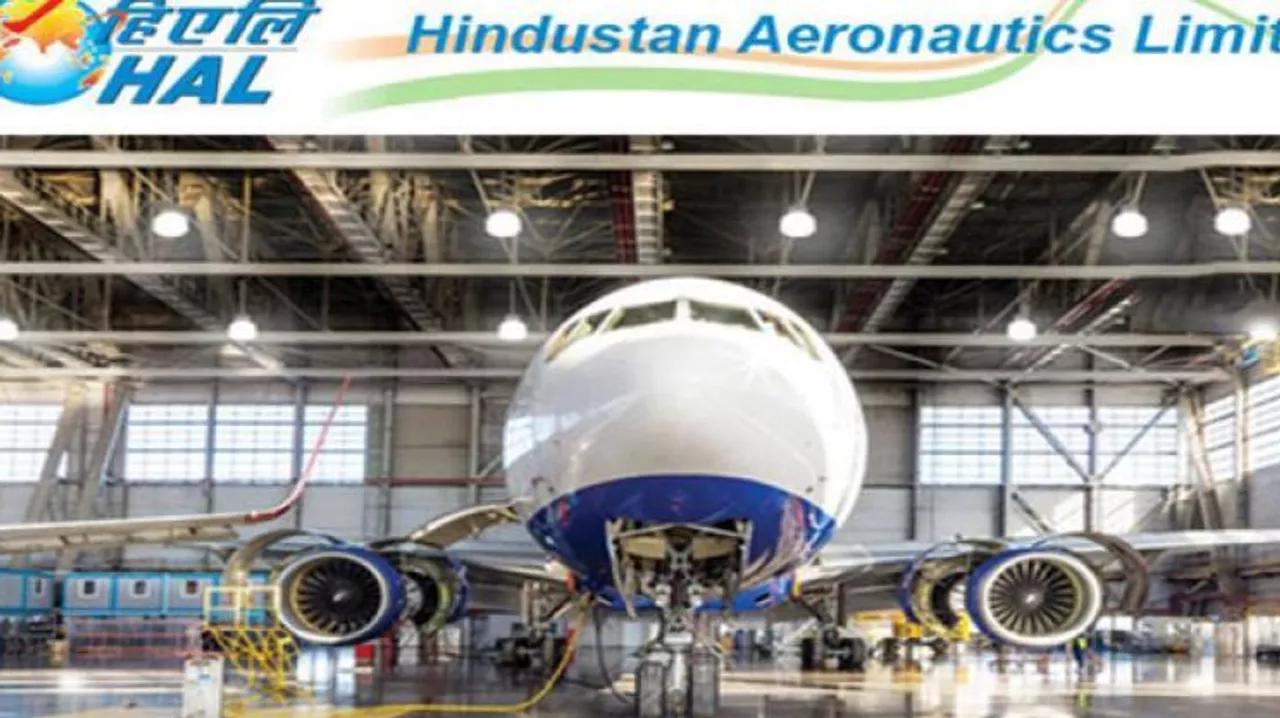
Photo by Pawan Atri
Business Case Study on Hindustan Aeronautics (HAL): A Timeless Example of Vision, Trust, and Business Growth Strategy
India’s business landscape is filled with inspiring success stories, but only a few companies truly represent the spirit of innovation, resilience, and national development like Hindustan Aeronautics Limited (HAL). From manufacturing aircraft during difficult times to becoming one of India’s most respected aerospace and defense companies, HAL’s journey is a remarkable example of strategic business growth, leadership, and long-term vision.
This business case study explores how HAL transformed from a small aviation manufacturing setup into a global defense and aerospace giant. Readers will learn valuable lessons about business growth strategy, branding success, innovation management, and how strong leadership can shape the future of an organization. Whether you are a startup founder, student, entrepreneur, or business professional, HAL’s journey offers practical insights that are highly relevant in today’s competitive business world.
The Origin Story of Hindustan Aeronautics Limited (HAL)
Hindustan Aeronautics Limited was founded in 1940 in Bangalore, India, by industrialist Walchand Hirachand. At a time when India was still under British rule, establishing an aviation manufacturing company in the country was considered extremely ambitious. However, Walchand believed India should become self-reliant in advanced industries such as aviation and defense.
The company initially started as Hindustan Aircraft Limited with support from the Government of Mysore. During World War II, the aviation industry was rapidly evolving, and India lacked domestic aircraft manufacturing capabilities. HAL aimed to bridge this gap and create a strong indigenous aerospace sector.
In its early years, the company faced several challenges. India lacked advanced technology, skilled manpower, and modern manufacturing infrastructure. Financial limitations and dependence on foreign expertise also slowed growth. Despite these obstacles, HAL continued building its capabilities with determination and long-term vision.
Later, the Government of India took control of the company, and it eventually became Hindustan Aeronautics Limited. HAL’s mission focused on strengthening India’s aerospace and defense sector while reducing dependency on foreign aircraft manufacturers.
The Major Challenges Faced by HAL
Like many large organizations, HAL experienced multiple business and operational challenges throughout its journey. One of the biggest problems was global competition. International aerospace giants already dominated the market with advanced technology and massive financial resources. Competing against such established players was extremely difficult for an Indian company operating in a developing economy.
Another major issue was branding and public perception. For many years, Indian manufacturing companies were not viewed as global innovation leaders. HAL needed to prove that Indian engineering and manufacturing could meet international standards.
The company also faced management and operational challenges. Aerospace manufacturing requires precision, strict safety protocols, and constant technological upgrades. Delays in projects, bureaucratic processes, and dependence on government policies occasionally affected efficiency and delivery timelines.
Financial pressure was another hurdle. Developing aircraft and defense systems requires heavy investment in research, development, testing, and production. Without proper financial planning and long-term contracts, sustainability could have become difficult.
Additionally, HAL needed a stronger marketing strategy and international visibility. While the company had significant technical expertise, it needed better global recognition and stronger partnerships to compete internationally.
The Turning Point: Innovation and Strategic Transformation
HAL’s growth story changed dramatically when the company shifted its focus toward indigenous innovation, modernization, and strategic partnerships. Instead of depending entirely on foreign technologies, HAL invested heavily in research and development.
One of the most important leadership decisions was focusing on self-reliance. The company began collaborating with Indian defense organizations and research institutions to develop advanced aircraft, helicopters, and defense systems within India. This approach aligned with India’s larger vision of becoming self-sufficient in defense manufacturing.
HAL also adopted a stronger business growth strategy by expanding its product portfolio. The company moved beyond aircraft manufacturing and entered areas like avionics, aerospace systems, engines, maintenance services, and helicopter production. This diversification improved revenue opportunities and strengthened market position.
From a branding success perspective, HAL worked on establishing itself as a symbol of Indian technological capability. Successful projects and defense partnerships improved public trust and national recognition.
Innovation played a major role in HAL’s transformation. The company invested in advanced manufacturing technologies, quality control systems, and engineering excellence. Continuous modernization helped HAL improve productivity and operational efficiency.
HAL also improved collaboration with the Indian government and defense sector, creating long-term strategic partnerships that ensured stable business growth. Participation in international aerospace exhibitions and defense expos further improved brand visibility.
Although HAL operates mainly in the defense sector, its communication and public engagement strategies also evolved over time. Digital presence, public relations efforts, and national branding contributed to stronger recognition among stakeholders and citizens.
The Results and Business Impact
The transformation produced remarkable results. HAL emerged as one of India’s largest aerospace and defense companies and became a crucial part of the nation’s defense infrastructure.
The company achieved strong revenue growth through large-scale government contracts, manufacturing expansion, and increased operational capabilities. HAL’s production capacity improved significantly, enabling it to handle complex aerospace projects more efficiently.
Brand recognition also increased tremendously. Today, HAL is widely respected not only in India but also in international defense and aerospace circles. The company became a symbol of Indian engineering excellence and innovation.
Expansion into multiple aerospace segments strengthened its market success. HAL’s capabilities in aircraft manufacturing, helicopters, repair services, and defense technology created a strong competitive advantage.
The company’s contribution to India’s self-reliance mission also improved its national importance. HAL’s success demonstrated how Indian organizations can compete in highly technical and globally competitive industries.
What Businesses Can Learn from HAL – Insights from Pinehills Business Solutions
At Pinehills Business Solutions, we believe HAL’s journey offers valuable lessons for startups, entrepreneurs, educational institutions, and growing businesses across India.
The first lesson is the importance of long-term vision. HAL did not become successful overnight. Its growth required patience, strategic planning, and continuous investment in innovation. Many startups fail because they focus only on short-term profits instead of sustainable growth.
Second, businesses must embrace innovation even during difficult times. HAL continuously upgraded its technology and capabilities despite facing financial and operational challenges. Companies that stop innovating eventually lose market relevance.
Another important business tip for startups is branding. Even technically strong companies need effective branding and market positioning. HAL improved its credibility by consistently delivering quality and building public trust.
Businesses should also avoid the mistake of depending entirely on one revenue source. HAL’s diversification into multiple aerospace services reduced risk and created stronger financial stability.
Leadership and teamwork also played a critical role. Strong leadership decisions helped HAL navigate uncertainty and maintain long-term focus despite competition and external pressure.
For Indian entrepreneurs, HAL’s story proves that global success is possible even when starting with limited resources. Hard work, resilience, and strategic execution can transform ambitious ideas into industry-leading organizations.
Conclusion
The story of Hindustan Aeronautics Limited is more than just a corporate success story — it is a story of ambition, resilience, innovation, and national pride. From struggling with limited infrastructure and global competition to becoming one of India’s most respected aerospace companies, HAL represents the power of strategic thinking and determined leadership.
This business case study highlights how innovation, branding success, operational excellence, and long-term business growth strategy can help organizations achieve extraordinary results.
At Pinehills Business Solutions, we help businesses, startups, schools, and entrepreneurs build strong growth strategies, improve branding, strengthen marketing performance, and achieve sustainable success. If you are looking for expert guidance in business consulting India, marketing strategy, event management, or business development, connect with Pinehills Business Solutions today and take the next step toward growth and success.