
Business Case Study on Costco Wholesale: A Timeless Example of Vision, Trust, and Business Growth Strategy
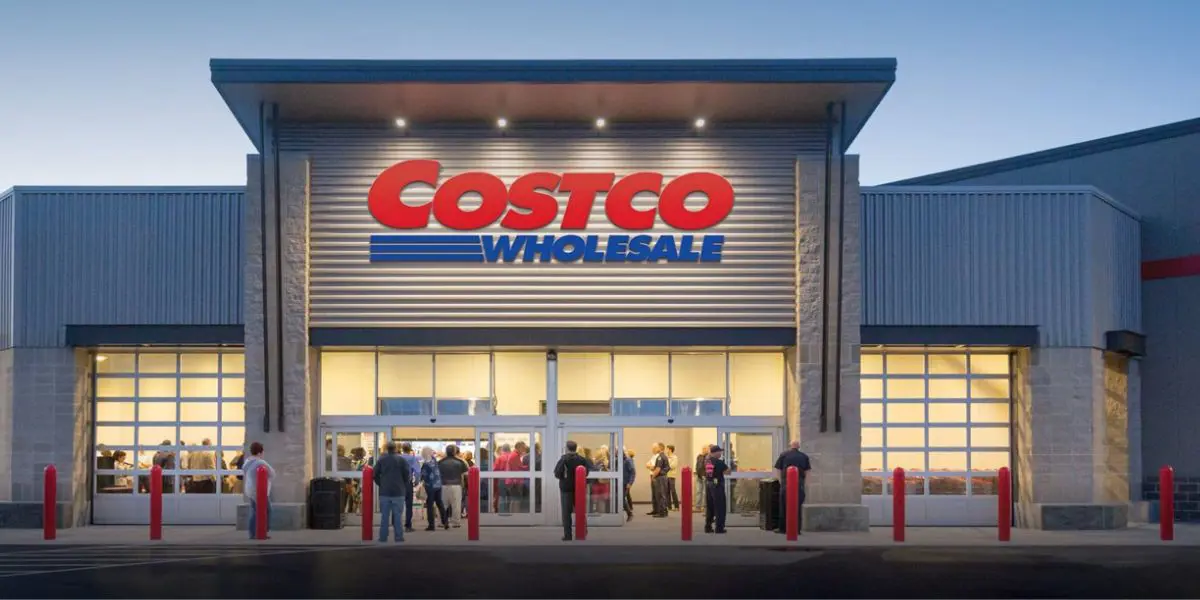
Photo by Town of Wasaga Beach
Business Case Study on Costco Wholesale: A Timeless Example of Vision, Trust, and Business Growth Strategy
In today’s competitive retail landscape, building a successful business requires more than low prices and attractive products. Companies must create trust, loyalty, operational efficiency, and long-term customer relationships. One of the strongest examples of this is Costco Wholesale, a company that transformed the warehouse retail industry through smart business growth strategy, disciplined leadership, and customer-first thinking.
This business case study explores how Costco became one of the world’s most respected retail brands despite intense competition from giants like Walmart and Amazon. Readers will learn about Costco’s founder story, its early struggles, innovative marketing strategy, branding success, and key lessons for entrepreneurs and startups. From the perspective of , this case offers valuable insights for businesses looking to scale sustainably.
The Beginning of Costco Wholesale
Costco Wholesale was founded in 1983 in Seattle, Washington, by James Sinegal and Jeffrey Brotman. Before launching Costco, James Sinegal had already spent years working in warehouse retailing. He understood that customers were tired of overpriced products and poor shopping experiences.
The founders had a simple but powerful vision: provide high-quality products at the lowest possible prices while treating employees and customers with respect. Instead of focusing only on profits, they focused on long-term customer loyalty.
However, the early days were far from easy. Costco entered a highly competitive retail market where major players already dominated. Building large warehouse stores required massive investments, inventory management was complex, and convincing customers to pay for memberships seemed risky.
Many critics doubted whether people would pay annual membership fees just to shop in bulk warehouses. But the founders believed that if customers genuinely saved money, they would keep returning.
That belief became the foundation of Costco’s global success.
The Core Business Problems Costco Faced
Like many growing companies, Costco faced multiple challenges during its expansion journey.
1. Competition Pressure
The retail market was already crowded with established brands offering discounts and convenience. Costco needed a unique identity to survive against larger competitors.
2. Thin Profit Margins
Costco followed a low-margin business model. The company intentionally kept product markups extremely low, which meant profitability depended heavily on operational efficiency and membership renewals.
3. Brand Positioning Challenges
In the early years, warehouse shopping was not considered attractive or premium. Many customers associated bulk shopping with inconvenience and limited product quality.
4. Inventory and Supply Chain Management
Managing huge volumes of inventory across warehouses required advanced logistics systems. Any operational mistake could increase costs significantly.
5. Scaling Without Losing Trust
As Costco expanded, maintaining consistent customer service and employee satisfaction became a major management challenge.
These problems could have slowed the company’s growth, but Costco’s leadership chose a disciplined and long-term approach instead of chasing short-term profits.
The Turning Point: Costco’s Winning Strategy
Costco’s biggest breakthrough came from combining operational discipline with customer-centric thinking.
Membership-Based Business Model
One of Costco’s smartest innovations was its membership system. Instead of depending only on product profits, Costco generated stable recurring income through annual membership fees.
This strategy allowed the company to keep product prices lower than competitors while still maintaining financial stability.
Customers felt they were part of an exclusive value-driven shopping experience, which strengthened loyalty.
Limited Product Selection Strategy
Unlike traditional supermarkets offering thousands of choices, Costco focused on fewer high-demand products. This reduced inventory complexity and improved purchasing power with suppliers.
By buying in bulk, Costco negotiated better deals and passed savings directly to customers.
Employee-First Leadership
James Sinegal strongly believed that happy employees create happy customers. Costco became known for paying higher wages and offering better benefits compared to many competitors.
While critics initially saw this as expensive, it reduced employee turnover and improved customer experience dramatically.
This leadership decision became a major branding success for the company.
Strong Private Label Branding
Costco introduced its private-label brand, Kirkland Signature, which became one of the company’s greatest assets.
Customers trusted Kirkland products because they offered premium quality at affordable prices. Over time, the brand became a symbol of reliability and value.
Smart Marketing Strategy
Interestingly, Costco spends far less on traditional advertising compared to many retail competitors. Instead, the company relies heavily on word-of-mouth marketing, customer satisfaction, and membership loyalty.
This low-cost marketing strategy helped Costco maintain profitability while strengthening authentic brand trust.
The Results: From Warehouse Store to Global Retail Giant
Costco’s strategies delivered extraordinary results over the years.
- Massive global expansion across multiple countries
- Millions of loyal membership customers worldwide
- Strong annual revenue growth
- High customer retention rates
- Consistent brand trust and recognition
- Industry-leading operational efficiency
Today, Costco is considered one of the largest retailers in the world. Its warehouses attract customers not only for affordability but also for quality assurance and customer experience.
The success of Kirkland Signature further strengthened Costco’s market position, proving that private-label branding can compete directly with established premium brands.
Even during economic downturns, Costco’s customer loyalty remained strong because people trusted the company’s value proposition.
This business growth strategy demonstrates how consistency and long-term thinking can outperform aggressive short-term marketing tactics.
Pinehills Business Solutions Analysis: Lessons for Businesses
From the perspective of , Costco’s journey offers several powerful lessons for startups, entrepreneurs, schools, and growing businesses in India.
1. Build Trust Before Profit
Many startups focus only on immediate revenue. Costco showed that customer trust creates sustainable growth over time.
Businesses should prioritize transparency, quality, and customer relationships.
2. Simplicity Can Be Powerful
Costco’s limited product strategy proves that businesses do not always need complexity to grow. Clear focus often improves efficiency and profitability.
3. Employee Satisfaction Matters
One major mistake businesses make is ignoring employee welfare. Costco’s success proves that motivated employees improve operations and customer experiences.
4. Strong Branding Creates Loyalty
Kirkland Signature became successful because customers trusted the brand consistently. Indian entrepreneurs should focus on building credibility instead of only running advertisements.
5. Long-Term Vision Beats Short-Term Hype
Costco avoided unnecessary risks and remained disciplined with pricing, operations, and expansion. This is a valuable business tip for startups trying to scale too quickly.
The Human Side of Costco’s Success
Behind Costco’s numbers lies a story of patience, discipline, and belief.
James Sinegal was known for visiting stores personally and interacting with employees directly. He believed leadership was not about luxury offices but understanding real customer experiences on the ground.
The company took risks by paying employees better wages when competitors focused on cost-cutting. It trusted customers even when critics doubted the membership model.
Costco’s success did not happen overnight. It was built through years of operational consistency, customer loyalty, and strategic decision-making.
That human-centered approach is what truly separates Costco from many businesses that focus only on rapid profits.
Conclusion
The story of Costco Wholesale is more than a retail success story. It is a masterclass in business growth strategy, customer loyalty, branding success, and disciplined leadership.
For entrepreneurs, startups, and business owners, this business case study highlights the importance of trust, operational excellence, employee satisfaction, and long-term vision.
At , we help businesses build sustainable growth through expert business consulting, branding strategy, marketing solutions, event management, and business development planning.
Whether you are a startup founder, student, school project team, or growing business in India, our team can help you create smarter strategies for long-term success.
Contact Pinehills Business Solutions today and take the next step toward building a stronger, smarter, and more successful business brand.