
Business Case Study on Siemens India: A Timeless Example of Vision, Trust, and Business Growth Strategy
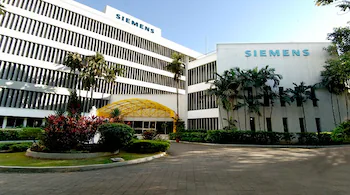
Photo by Moneycontrol News
Business Case Study on Siemens India: A Timeless Example of Vision, Trust, and Business Growth Strategy
Every successful business has a story filled with challenges, risks, strategic decisions, and moments of transformation. Among the most inspiring examples in the Indian industrial sector is Siemens India. From contributing to India’s infrastructure development to becoming a leader in automation, electrification, and digital transformation, Siemens India offers valuable lessons for entrepreneurs, startups, students, and business leaders.
This business case study explores how Siemens India overcame market challenges, embraced innovation, built a powerful brand, and achieved sustainable growth. Readers will learn practical business growth strategies, leadership lessons, branding success techniques, and marketing insights that can be applied across industries.
At Pinehills Business Solutions, we believe that studying successful organizations helps businesses make smarter decisions and accelerate growth. Siemens India’s journey is a perfect example of long-term vision combined with strategic execution.
Company Background: The Foundation of Siemens India
The story of Siemens began in 1847 when German inventor and entrepreneur Werner von Siemens founded the company in Berlin, Germany. His vision was to use engineering and technology to improve people’s lives and transform industries.
Siemens entered India in 1867, making it one of the earliest multinational companies to establish a presence in the country. Over the decades, the company became deeply involved in India’s industrial development, contributing to sectors such as energy, transportation, healthcare, manufacturing, and infrastructure.
The company’s mission has always focused on innovation, sustainability, and technological advancement. Siemens aimed to create solutions that improve efficiency, productivity, and quality of life while supporting economic growth.
However, establishing and expanding operations in India was not without challenges. The company faced regulatory complexities, infrastructure limitations, economic fluctuations, and increasing competition from both domestic and international players. Despite these obstacles, Siemens remained committed to its long-term vision and continued investing in the Indian market.
The Challenges Siemens India Faced
Like many large organizations, Siemens India encountered several business challenges during its growth journey.
1. Intense Market Competition
India’s rapidly growing industrial sector attracted numerous global and local competitors. Companies offering similar engineering and automation solutions created significant pressure on pricing, innovation, and customer acquisition.
2. Branding and Market Positioning
While Siemens was globally recognized, communicating its diverse range of services to Indian customers remained challenging. Many businesses viewed Siemens primarily as an engineering company rather than a complete technology and digital transformation partner.
3. Economic and Financial Pressures
Infrastructure projects often involve long investment cycles, delayed payments, and changing government policies. Managing profitability while maintaining innovation investments required careful financial planning.
4. Technology Adoption Challenges
Many industries were slow to adopt advanced automation and digital technologies. Siemens needed to educate customers about the long-term value of modernization and Industry 4.0 solutions.
5. Growth and Management Complexity
As operations expanded across multiple sectors, maintaining operational efficiency and aligning teams with strategic goals became increasingly complex.
The Turning Point: Strategic Transformation and Innovation
Rather than viewing these challenges as barriers, Siemens India treated them as opportunities for transformation.
Embracing Innovation as a Core Strategy
One of Siemens India’s most powerful business growth strategies was continuous innovation. The company invested heavily in research, development, automation, smart infrastructure, artificial intelligence, and digital solutions.
By helping businesses improve efficiency through advanced technologies, Siemens positioned itself as a future-focused organization rather than simply an equipment provider.
Strong Branding Strategy
Siemens strengthened its branding success by highlighting its role in shaping modern India. Instead of promoting products alone, the company emphasized outcomes such as productivity, sustainability, energy efficiency, and digital transformation.
This approach helped customers view Siemens as a trusted partner in long-term growth.
Customer-Centric Approach
A major factor behind Siemens India’s success was its commitment to understanding customer needs. The company worked closely with industries, governments, and institutions to develop customized solutions.
Improved customer support, technical expertise, and long-term partnerships enhanced customer satisfaction and loyalty.
Digital Transformation Leadership
As industries increasingly embraced digital technologies, Siemens accelerated its focus on smart manufacturing, industrial software, automation systems, and digital engineering solutions.
This leadership decision allowed the company to stay ahead of market trends and create new revenue opportunities.
Sustainable Business Practices
Siemens recognized that future growth would depend on sustainability. The company invested in energy-efficient technologies, smart infrastructure, and environmentally responsible solutions.
This strengthened its reputation among customers, investors, and policymakers.
Results: The Impact of Strategic Decisions
The outcomes of Siemens India’s transformation strategy have been remarkable.
Revenue Growth
Through continuous innovation and expansion, Siemens India achieved significant long-term revenue growth. Its diversified portfolio helped reduce dependence on any single industry while creating multiple growth opportunities.
Strong Market Position
Today, Siemens India is widely recognized as one of the country’s leading technology and engineering companies. Its expertise spans industries including manufacturing, mobility, energy, healthcare, and infrastructure.
Increased Customer Trust
By focusing on quality, reliability, and innovation, Siemens built strong relationships with customers across both public and private sectors.
Expansion and Diversification
The company expanded its operations, workforce, technological capabilities, and service offerings. This diversification strengthened resilience during economic fluctuations.
Enhanced Brand Recognition
Siemens became synonymous with technological excellence and industrial innovation. Its brand is now associated with trust, quality, and future-ready solutions.
Digital Leadership
The company’s investments in digital transformation positioned it as a leader in Industry 4.0 technologies, helping customers improve productivity and competitiveness.
Pinehills Business Solutions Analysis: Key Lessons for Businesses
From a business consulting India perspective, Siemens India’s journey offers valuable lessons for organizations of all sizes.
1. Innovation Must Be Continuous
Many businesses innovate once and stop. Siemens demonstrates that innovation should be an ongoing process. Companies that consistently improve products, services, and processes remain competitive.
2. Focus on Customer Problems
Successful businesses don’t simply sell products; they solve problems. Understanding customer needs creates stronger relationships and long-term growth.
3. Build a Strong Brand Identity
Branding success comes from trust, consistency, and value creation. Businesses should communicate their purpose and impact, not just their offerings.
4. Embrace Digital Transformation
Digital technologies are no longer optional. Startups, schools, and small businesses should explore automation, digital marketing, and data-driven decision-making.
5. Think Long Term
Siemens India succeeded because of patience and strategic planning. Sustainable growth often requires years of investment and commitment.
Mistakes Businesses Should Avoid
– Ignoring market changes
– Resisting technological adoption
– Focusing only on short-term profits
– Neglecting customer experience
– Weak branding and communication
Business Tips for Startups and Entrepreneurs
– Invest in learning and innovation.
– Develop a clear business growth strategy.
– Prioritize customer satisfaction.
– Build a strong online presence.
– Focus on sustainable and scalable growth.
The Human Side of the Siemens India Story
Behind every corporate success story are people who take risks, solve problems, and work tirelessly to achieve a vision.
Siemens India’s journey reflects persistence, adaptability, and courage. The company faced uncertainty, competition, and economic challenges, yet continued moving forward. Its leaders made bold decisions, invested in the future, and trusted innovation even when results were not immediate.
This is perhaps the most important business lesson: success is rarely achieved overnight. It is built through consistency, resilience, and a willingness to evolve.
Conclusion
The Siemens India case study demonstrates how innovation, customer focus, strategic leadership, and long-term vision can create extraordinary business success. From overcoming competitive pressures to becoming a leader in digital transformation, Siemens India offers a blueprint for sustainable growth and market leadership.
For entrepreneurs, startups, educational institutions, and growing businesses, the lessons are clear: embrace change, invest in innovation, build a strong brand, and always focus on delivering value.
If you are looking to accelerate your business growth, strengthen your marketing strategy, improve branding, organize professional events, complete academic business projects, or develop a winning growth plan, Pinehills Business Solutions is here to help.
Contact Pinehills Business Solutions today and take the next step toward building a stronger, smarter, and more successful future for your organization.