
Business Case Study on Trent Limited: A Timeless Example of Vision, Trust, and Business Growth Strategy
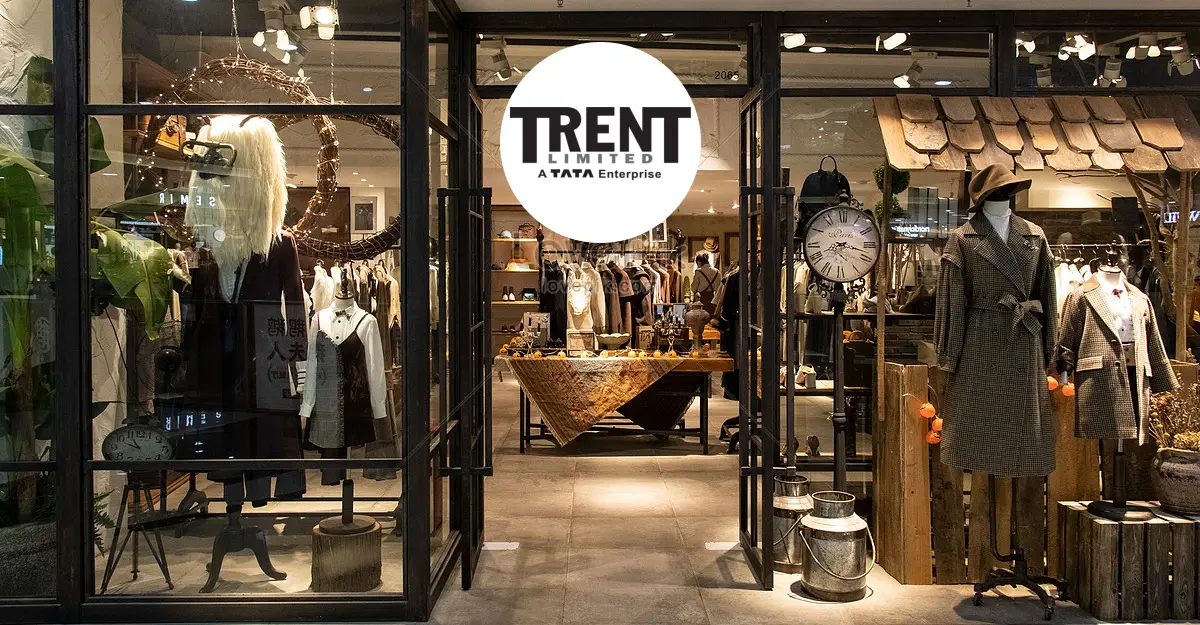
Photo by Supti Nandi
Business Case Study on Trent Limited: A Timeless Example of Vision, Trust, and Business Growth Strategy
In the ever-evolving world of retail, only a few companies manage to stay relevant, adapt to changing consumer preferences, and continuously grow despite intense competition. One such remarkable example is Trent Limited. As one of India’s leading retail companies under the Tata Group umbrella, Trent has transformed itself into a retail powerhouse through strategic planning, innovative business models, and customer-centric operations.
This business case study explores the journey of Trent Limited, its challenges, growth strategies, and the lessons entrepreneurs can learn from its success. Whether you are a startup founder, business student, school project researcher, or an entrepreneur looking for a business growth strategy, this case study provides valuable insights into branding success, marketing strategy, and sustainable expansion.
Company Background: The Birth of Trent Limited
Trent Limited is a retail company belonging to the prestigious Tata Group. The company was established in 1998 after the acquisition of the Lakme retail business from Lakme Limited.
The vision behind Trent was simple yet ambitious: to create world-class retail experiences for Indian consumers while delivering quality products at affordable prices. Under the leadership of the Tata Group and experienced retail professionals, the company began its journey with a focus on fashion and lifestyle retailing.
Headquartered in Mumbai, India, Trent launched its flagship retail chain, Westside, which soon became a recognized name in Indian fashion retail.
Initial Challenges
Like many growing businesses, Trent faced several hurdles in its early years:
– Limited retail penetration in India
– Changing consumer preferences
– Strong competition from local retailers
– High operational costs
– Lack of organized retail infrastructure
At a time when organized retail was still developing in India, convincing customers to shift from traditional shopping methods to branded retail stores was a major challenge.
Vision and Mission
Trent’s mission was to provide fashionable, high-quality products while delivering exceptional customer experiences.
The company focused on:
– Customer satisfaction
– Affordable fashion
– Strong brand identity
– Long-term sustainable growth
– Innovation-driven retail operations
This vision became the foundation of its future success.
The Major Business Challenges
As the Indian retail industry evolved, Trent encountered several critical business challenges that threatened growth opportunities.
1. Marketing Challenges
The Indian retail market was becoming increasingly crowded. International brands, local retailers, and emerging e-commerce platforms were competing for consumer attention.
The challenge was clear: how could Trent differentiate itself in a highly competitive market?
2. Branding Challenges
Although Westside was gaining popularity, building a strong national retail identity required significant investment and strategic positioning.
Consumers often associated premium fashion with international brands, making it difficult for Indian retailers to establish a premium image.
3. Competition Challenges
Major competitors included:
– Lifestyle
– Shoppers Stop
– Reliance Retail
– Global fashion brands
– Growing online marketplaces
This intense competition put pressure on pricing, product quality, and customer acquisition.
4. Growth and Expansion Challenges
Expanding retail operations across India required:
– Significant capital investment
– Efficient supply chain management
– Consistent customer experience
– Skilled workforce management
Rapid expansion without proper planning could have resulted in operational inefficiencies.
5. Management Challenges
Managing multiple retail formats while maintaining profitability demanded strong leadership, strategic decision-making, and continuous innovation.
The Turning Point: Strategies That Changed Everything
Rather than competing solely on price, Trent focused on creating a differentiated retail experience.
Strong Business Strategy
One of Trent’s smartest decisions was developing private-label brands.
Instead of relying heavily on external suppliers, the company created in-house brands that offered:
– Better profit margins
– Unique product offerings
– Greater quality control
– Strong customer loyalty
This became a major competitive advantage.
Customer-Centric Marketing Strategy
Trent understood that modern consumers seek experiences, not just products.
Its marketing strategy focused on:
– Understanding consumer behavior
– Offering trend-driven fashion
– Creating attractive store layouts
– Delivering personalized shopping experiences
This helped build long-term customer relationships.
Branding Success Through Westside
Westside became the face of Trent’s branding success.
The company positioned Westside as:
– Stylish
– Affordable
– Contemporary
– Indian yet globally inspired
This branding strategy enabled the company to attract urban consumers while maintaining accessibility for middle-class families.
Innovation and Retail Excellence
Innovation played a crucial role in Trent’s growth.
The company invested heavily in:
– Data-driven decision making
– Inventory optimization
– Retail analytics
– Store design improvements
– Product innovation
By continuously adapting to consumer trends, Trent stayed ahead of many competitors.
Expansion Through Multiple Formats
Trent diversified its retail portfolio by launching and expanding brands such as:
– Westside
– Zudio
– Star Bazaar
Among these, Zudio emerged as a game-changer by targeting value-conscious customers with affordable fashion.
This move allowed Trent to serve multiple customer segments simultaneously.
Digital and Offline Integration
Recognizing the importance of technology, Trent strengthened its digital presence while maintaining its strong physical retail network.
The company embraced:
– Online shopping experiences
– Digital promotions
– Customer engagement campaigns
– Data analytics
This balanced approach helped capture both online and offline consumers.
Results: The Impact of Strategic Execution
The results of Trent’s transformation have been remarkable.
Revenue Growth
Trent has reported substantial revenue growth over the years, becoming one of India’s fastest-growing retail businesses.
Its expansion strategy and strong private-label ecosystem significantly contributed to profitability.
Customer Growth
Millions of customers across India now shop through Trent’s retail brands.
Its ability to cater to diverse consumer needs has expanded its customer base dramatically.
Brand Recognition
Today, Westside and Zudio are among India’s most recognized retail brands.
Their strong market presence reflects years of consistent branding efforts and customer trust.
Nationwide Expansion
Trent has successfully expanded its retail footprint across multiple cities and regions throughout India.
This widespread presence has strengthened brand visibility and accessibility.
Market Leadership
The company has emerged as a leading player in India’s organized retail sector, demonstrating how strategic planning and execution can drive sustainable business success.
Pinehills Business Solutions Analysis: Key Lessons for Businesses
From the perspective of Pinehills Business Solutions, Trent’s journey offers valuable lessons for organizations of all sizes.
What Businesses Can Learn
1. Build strong customer relationships.
2. Invest in branding consistently.
3. Differentiate your products or services.
4. Adapt quickly to market changes.
5. Use data to make informed decisions.
Mistakes to Avoid
– Ignoring customer feedback
– Expanding too quickly without systems
– Weak brand positioning
– Lack of innovation
– Poor inventory management
Smart Strategies to Follow
– Develop a unique value proposition.
– Focus on customer experience.
– Invest in marketing strategy.
– Build scalable business systems.
– Strengthen digital presence.
Advice for Startups and Indian Entrepreneurs
Many startups focus only on sales and overlook branding. Trent’s success demonstrates that sustainable growth requires a balance between operations, branding, marketing, and customer satisfaction.
Indian entrepreneurs should prioritize long-term vision over short-term gains. Building trust, consistency, and quality can create lasting competitive advantages.
The Human Side of Success
Behind every successful company lies a story of perseverance, risk-taking, and continuous learning.
Trent’s journey was not an overnight success. It involved years of experimentation, strategic decisions, and adaptation to changing market conditions.
The company faced competition, market uncertainty, and operational challenges. Yet through determination, innovation, and customer focus, it transformed itself into a retail leader.
This reminds us that business success is rarely about luck. It is often the result of disciplined execution, strong leadership, and relentless commitment to improvement.
Conclusion
The Trent Limited business case study is a powerful example of how strategic thinking, branding success, innovation, and customer-centricity can drive remarkable business growth. From its humble beginnings to becoming one of India’s leading retail companies, Trent has demonstrated the importance of adaptability and long-term vision.
At Pinehills Business Solutions, we help businesses, startups, educational institutions, and entrepreneurs build effective growth strategies, improve branding, enhance marketing performance, and achieve sustainable success.
If you are looking for expert support in business consulting India, marketing strategy development, event management, school projects, branding solutions, or business growth strategy planning, contact Pinehills Business Solutions today and take the next step toward transforming your business into a success story.