
Business Case Study on LVMF: A Timeless Example of Vision, Trust, and Business Growth Strategy
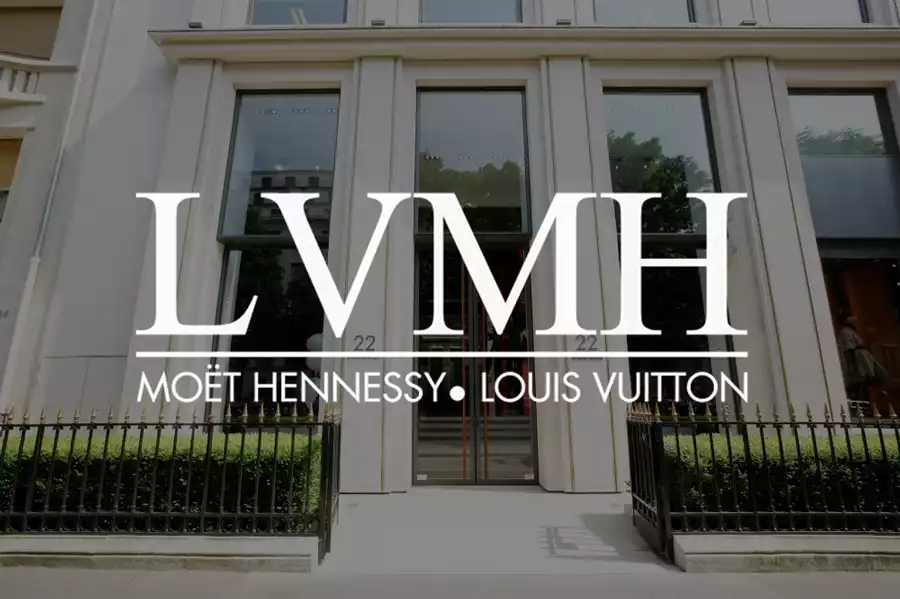
Photo by Samuel Ord
Business Case Study on LVMF: A Timeless Example of Vision, Trust, and Business Growth Strategy
In the world of business, very few companies have managed to build a reputation as powerful and influential as LVMH. Known for owning some of the most prestigious luxury brands in the world, LVMH has become a symbol of excellence, innovation, and long-term business success. This business case study explores how the company transformed from a collection of luxury businesses into a global powerhouse.
For entrepreneurs, business students, and industry professionals, this case study offers valuable insights into business growth strategy, marketing strategy, branding success, leadership, and innovation. At Pinehills Business Solutions, we believe that understanding successful business models helps organizations make smarter decisions and achieve sustainable growth.
Company Background
The Founder Story
The modern success story of LVMH is closely associated with Bernard Arnault, a visionary businessman often referred to as one of the most influential figures in the luxury industry. While LVMH was formed through the merger of Louis Vuitton and Moët Hennessy in 1987, Arnault played a major role in shaping its future.
Arnault recognized that luxury brands had enormous untapped potential when managed under a unified business structure. His vision was not simply to sell luxury products but to create an ecosystem of premium brands that could dominate global markets while maintaining their unique identities.
When and Where the Company Started
LVMH was officially established in Paris, France, in 1987 through the merger of Louis Vuitton, the iconic fashion house, and Moët Hennessy, a leading producer of wines and spirits.
The company began with a strong foundation but faced the challenge of integrating different brands, cultures, and management systems into one organization.
Initial Challenges
Like many growing businesses, LVMH faced several early obstacles:
- Managing multiple luxury brands under one umbrella
- Maintaining brand exclusivity while expanding globally
- Balancing tradition with innovation
- Competing against established luxury rivals
- Managing rapid growth without damaging brand value
Vision and Mission
The company’s vision has always been to represent excellence in luxury while preserving craftsmanship, creativity, and heritage.
Its mission focuses on delivering exceptional products and experiences while continuously innovating to meet changing customer expectations.
The Main Business Challenges
Branding Challenges
Luxury brands thrive on exclusivity. As LVMH expanded, one major challenge was ensuring that each brand retained its distinct identity. Customers purchasing a Louis Vuitton product expected a different experience from customers buying Dior or Givenchy.
Maintaining uniqueness while benefiting from corporate resources required careful brand management.
Competition Challenges
The luxury market is highly competitive. Global competitors continuously fought for market share, celebrity endorsements, premium retail locations, and customer loyalty.
LVMH needed a strategy that would allow its brands to stand out in a crowded marketplace.
Growth and Expansion Challenges
Expanding internationally without losing prestige was another challenge. Rapid expansion can sometimes weaken a brand’s image. LVMH had to grow carefully while maintaining its premium positioning.
Marketing Challenges
Luxury consumers are highly selective. Traditional mass-market advertising often does not work effectively in the luxury segment.
The company needed innovative marketing strategies that would attract affluent consumers while preserving exclusivity.
Management Challenges
Managing dozens of luxury brands across multiple industries required strong leadership, efficient communication, and strategic decision-making.
Different brands had different customer bases, operational requirements, and business goals.
The Turning Point: Strategic Leadership and Innovation
Strong Acquisition Strategy
One of the most important business growth strategies adopted by LVMH was acquiring high-potential luxury brands. Instead of creating new brands from scratch, the company invested in established names with strong heritage and growth potential.
This strategy helped LVMH expand rapidly while reducing business risk.
Smart Branding Strategy
LVMH understood that luxury customers buy stories, emotions, and experiences—not just products.
The company invested heavily in storytelling, craftsmanship, heritage marketing, and premium customer experiences. Each brand maintained its own personality while benefiting from the resources of a larger organization.
This became one of the greatest examples of branding success in modern business history.
Marketing Strategy That Built Desire
Rather than relying solely on traditional advertising, LVMH focused on:
- Celebrity collaborations
- Fashion shows
- Influencer partnerships
- Luxury events
- Exclusive product launches
- Premium retail experiences
These efforts created aspiration and emotional connections with customers.
Digital Transformation
Although luxury brands traditionally relied on physical stores, LVMH recognized the growing importance of digital platforms.
The company embraced:
- E-commerce
- Social media marketing
- Digital customer engagement
- Online luxury experiences
- Data-driven decision-making
This balanced approach allowed LVMH to remain relevant in a changing market.
Customer Experience Excellence
A major leadership decision was to prioritize customer experience at every touchpoint.
From store design to customer service, every interaction was designed to reflect luxury, exclusivity, and quality.
This focus significantly strengthened customer loyalty and brand perception.
Results and Business Impact
Revenue Growth
The implementation of strategic acquisitions, premium branding, and innovative marketing contributed to significant revenue growth over the years. LVMH became one of the world’s most valuable luxury goods companies.
Expansion into Global Markets
The company successfully expanded across Europe, North America, Asia, and emerging markets. Its brands gained recognition among luxury consumers worldwide.
Increased Customer Base
By appealing to both traditional luxury buyers and younger generations, LVMH expanded its customer reach without compromising exclusivity.
Strong Brand Recognition
Today, LVMH is associated with prestige, quality, innovation, and luxury excellence. Its portfolio includes some of the most recognized brands globally.
Social Media and Digital Success
The company effectively leveraged digital channels to engage modern consumers, increase visibility, and strengthen brand loyalty.
Market Leadership
LVMH’s strategic approach helped it achieve market leadership in multiple luxury categories, including fashion, leather goods, cosmetics, jewelry, and beverages.
Pinehills Business Solutions Analysis
At Pinehills Business Solutions, we believe there are several powerful lessons businesses can learn from this case study.
What Businesses Can Learn
- Build strong brand identities.
- Focus on customer experience.
- Invest in long-term growth rather than short-term gains.
- Embrace innovation without abandoning core values.
- Use strategic acquisitions when appropriate.
Mistakes to Avoid
- Expanding too quickly without planning
- Ignoring brand consistency
- Neglecting customer relationships
- Failing to adapt to digital transformation
- Competing only on price
Smart Strategies for Startups and Entrepreneurs
Indian startups, schools, and small businesses can benefit from adopting a clear business growth strategy. While not every company operates in the luxury sector, the principles remain the same:
- Create a unique brand identity
- Understand your customers deeply
- Invest in marketing strategy
- Focus on service quality
- Build long-term trust
These business tips for startups can create sustainable growth in competitive markets.
The Human Side of the Story
Behind every successful company lies a story of risk, determination, and resilience.
LVMH’s journey was not built overnight. It required bold leadership decisions, patience, strategic thinking, and continuous adaptation. The company faced competition, market uncertainty, and operational challenges, yet remained committed to its vision.
This reminds us that business success is rarely about luck. It is often the result of consistent effort, learning from mistakes, and having the courage to think differently.
For entrepreneurs, the most important lesson is simple: great businesses are built through persistence, innovation, and a relentless commitment to excellence.
Conclusion
The LVMH business case study demonstrates how visionary leadership, strong branding success, customer-focused innovation, and a well-planned marketing strategy can transform a company into a global leader.
Whether you are a startup founder, educational institution, small business owner, or growing enterprise, there are valuable lessons to apply from this remarkable journey.
At Pinehills Business Solutions, we help businesses turn ideas into successful growth stories through professional business consulting India services, branding solutions, marketing support, event management, project guidance, and strategic business planning.
If you are ready to strengthen your brand, improve your marketing performance, or develop a winning business growth strategy, contact Pinehills Business Solutions today and take the next step toward sustainable success.