
Business Case Study on Toyota Motor: A Timeless Example of Vision, Trust, and Business Growth Strategy
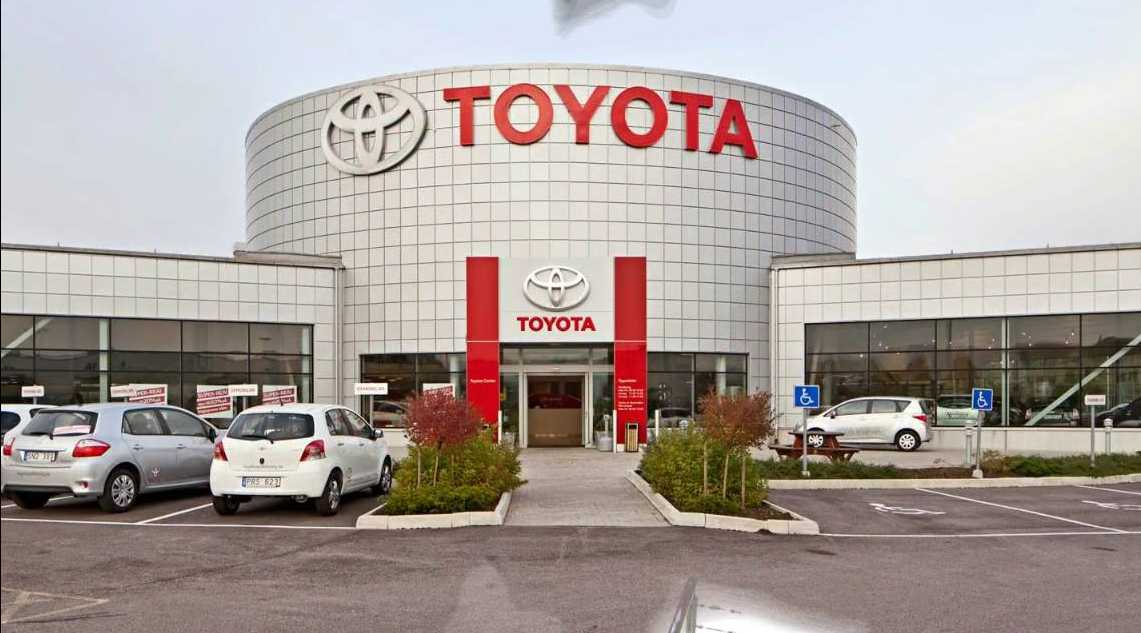
Photo by Tech Observer Desk
Business Case Study on Toyota Motor: A Timeless Example of Vision, Trust, and Business Growth Strategy
Every successful company has a story filled with ambition, setbacks, difficult decisions, and breakthrough moments. The story of Toyota Motor is one of the finest examples of how determination, innovation, and customer-focused thinking can transform a small manufacturing business into one of the world’s most respected automobile brands. This business case study explores Toyota’s remarkable journey, the challenges it encountered, the strategies that reshaped its future, and the valuable lessons businesses of every size can apply.
Whether you are a startup founder, a business owner, a student, or an entrepreneur searching for an effective business growth strategy, this case study offers practical insights into leadership, branding, operational excellence, and long-term success. At Pinehills Business Solutions, we believe that understanding real business stories is one of the best ways to build smarter organizations and stronger brands.
The Background of Toyota Motor
Toyota Motor Corporation traces its roots back to Japan in 1937. The company was founded by Kiichiro Toyoda, the son of inventor Sakichi Toyoda, whose textile machinery business laid the financial foundation for the automobile venture. Inspired by the growing automobile industry, Kiichiro dreamed of building reliable vehicles that could compete with global manufacturers.
Toyota was established in Toyota City, Japan, during a period of economic uncertainty. The company faced numerous challenges from the beginning. Limited financial resources, a lack of advanced manufacturing technology, and competition from established international automobile brands made survival difficult. Producing quality vehicles at affordable prices was a constant struggle.
Despite these obstacles, Toyota remained committed to its vision of creating high-quality, dependable, and affordable vehicles that would improve people’s lives. Its mission focused on continuous improvement, customer satisfaction, innovation, and sustainable mobility. These values eventually became the foundation of Toyota’s worldwide success.
The Challenges That Tested Toyota
Like many successful companies, Toyota’s journey was far from smooth. The business encountered several major challenges that threatened its growth.
Marketing Challenges
Expanding beyond Japan was one of Toyota’s biggest marketing hurdles. Consumers in North America and Europe initially preferred domestic manufacturers, making it difficult for Toyota to earn trust and recognition. Building credibility in unfamiliar markets required patience and strategic marketing.
Financial Challenges
Rapid expansion demanded significant investments in manufacturing facilities, research, development, and distribution networks. Balancing growth with financial stability became an ongoing challenge, especially during periods of global economic slowdown.
Branding Challenges
Toyota needed to overcome the perception that Japanese vehicles were inexpensive but lacked quality. Establishing itself as a premium yet affordable brand required consistent product performance and customer satisfaction over many years.
Competition
Toyota competed against established automobile giants such as Ford, General Motors, Volkswagen, and later emerging global manufacturers. Remaining competitive required constant innovation while keeping production costs under control.
Growth and Management Challenges
Managing a rapidly expanding global workforce, multiple manufacturing plants, and complex supply chains demanded exceptional leadership. Toyota also faced one of its biggest reputational crises during the large-scale vehicle recalls in 2009–2010, testing public trust and internal management systems.
The Turning Point: Strategies That Changed Everything
Toyota’s transformation into a global automotive leader did not happen by chance. It was driven by carefully planned strategies and disciplined execution.
Business Strategy
Toyota introduced the famous Toyota Production System (TPS), which emphasized efficiency, waste reduction, continuous improvement (Kaizen), and just-in-time manufacturing. This system revolutionized global manufacturing and became a benchmark for industries worldwide.
Marketing Strategy
Rather than relying solely on aggressive advertising, Toyota focused on customer trust. The company highlighted reliability, fuel efficiency, safety, and long-term value. Positive customer experiences generated strong word-of-mouth marketing, strengthening brand loyalty.
Branding Strategy
Toyota positioned itself as a dependable and practical brand. Later, it successfully expanded into the luxury segment by launching Lexus, proving its ability to serve multiple customer segments while maintaining brand credibility. This branding success became a textbook example of smart brand architecture.
Innovation
Innovation has remained one of Toyota’s strongest competitive advantages. The launch of the Prius, one of the world’s first mass-produced hybrid vehicles, demonstrated Toyota’s commitment to environmental sustainability and technological leadership. Continuous investment in electric vehicles, hydrogen fuel-cell technology, artificial intelligence, and smart mobility solutions keeps Toyota ahead of changing market demands.
Leadership Decisions
Toyota’s leadership consistently embraced continuous learning rather than short-term gains. Even during crises, company leaders accepted responsibility, strengthened quality control systems, and rebuilt customer confidence through transparency and corrective action.
Customer Service and Digital Transformation
Toyota expanded customer support through digital platforms, improved dealer experiences, introduced online engagement, and enhanced after-sales service. These initiatives strengthened long-term customer relationships while improving overall brand reputation.
The Results: A Global Success Story
Toyota’s strategic decisions delivered extraordinary results.
Today, Toyota consistently ranks among the world’s largest automobile manufacturers, generating hundreds of billions of dollars in annual revenue. Millions of customers across more than 170 countries trust Toyota vehicles for their reliability, durability, and resale value.
The company’s brand recognition continues to grow globally, supported by strong customer loyalty and positive public perception. Toyota has successfully expanded manufacturing operations across multiple continents while maintaining high-quality standards.
Its digital presence and global marketing campaigns further reinforce customer engagement through social media, online communities, and innovative product launches. More importantly, Toyota’s commitment to sustainability and innovation has positioned it as a future-ready mobility company rather than simply an automobile manufacturer.
Pinehills Business Solutions Analysis: Lessons for Every Business
At Pinehills Business Solutions, we believe Toyota’s journey offers practical lessons for businesses of all sizes.
The first lesson is that sustainable growth comes from consistency rather than shortcuts. Building customer trust takes time, but it creates lasting competitive advantages.
Second, businesses should never stop improving. Toyota’s culture of continuous improvement demonstrates that even successful companies must constantly evolve to remain relevant.
Third, branding is far more than a logo. Strong brands are built through customer experiences, quality products, reliable service, and honest communication.
Many businesses make the mistake of expanding too quickly without developing efficient systems. Toyota’s disciplined operational approach reminds entrepreneurs that internal processes are just as important as external marketing.
For startups, schools, small businesses, and Indian entrepreneurs, investing in customer relationships, innovation, employee development, and data-driven decision-making can create long-term success. An effective marketing strategy, supported by professional business consulting India experts, can significantly accelerate growth while reducing unnecessary risks.
These are practical business tips for startups that remain relevant regardless of industry.
The Human Side of Toyota’s Journey
Behind Toyota’s global achievements lies a story of resilience. The company experienced financial pressures, fierce competition, quality concerns, and public criticism. Yet each setback became an opportunity to improve rather than surrender.
Toyota’s leaders demonstrated courage by admitting mistakes, investing in better systems, and focusing on customers instead of short-term profits. Their willingness to learn from failure is perhaps the greatest lesson this business case study offers.
Success is rarely built overnight. It grows through discipline, continuous learning, calculated risks, teamwork, and unwavering commitment to excellence.
Conclusion
Toyota’s remarkable journey proves that innovation, operational excellence, strong leadership, and customer-first thinking can transform even the most challenging business situations into long-term success. This business case study reminds us that sustainable growth is achieved through smart planning, adaptability, and continuous improvement rather than quick wins.
If your business is looking to strengthen its business growth strategy, improve branding success, enhance marketing performance, or build a roadmap for sustainable expansion, Pinehills Business Solutions is here to help. Our experienced team provides business consulting, branding, digital marketing, event management, growth planning, and academic business project support tailored to your unique goals. Contact Pinehills Business Solutions today and take the next step toward building a stronger, smarter, and more successful future.