
The Ultimate Guide to Brand Positioning: How to Stand Out in a Crowded Market
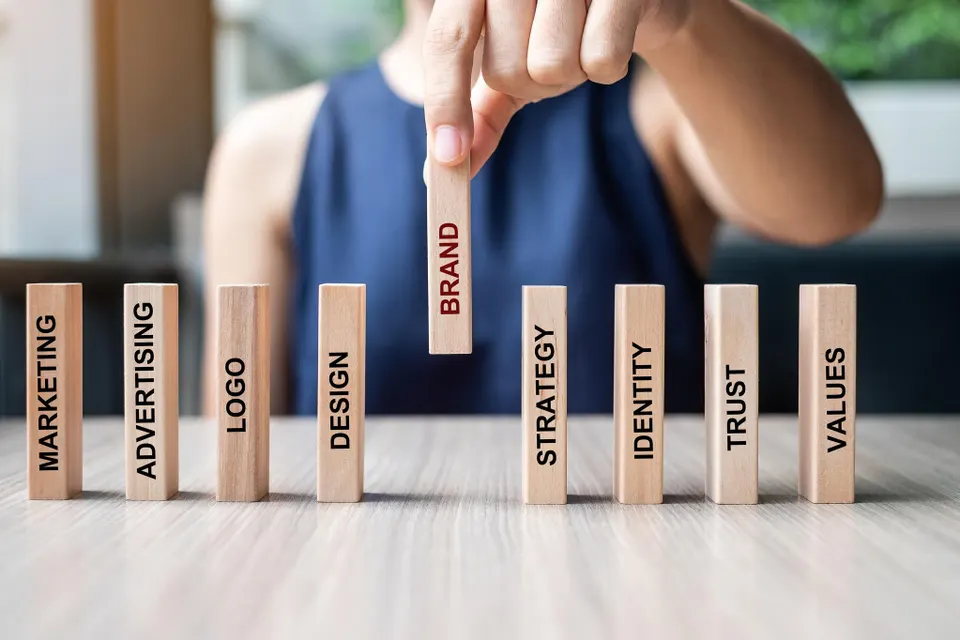
Photo by YEC
The Ultimate Guide to Brand Positioning: How to Stand Out in a Crowded Market
Imagine walking down a bustling market street in Mumbai or browsing an endless digital feed filled with startups promising the world. In today’s hyper-competitive ecosystem, your prospective customers are bombarded with hundreds of marketing messages daily. If your business tries to appeal to everyone, you ultimately resonate with no one. This is where strategic brand positioning comes into play.
Brand positioning is not merely a catchy logo or a flashy tagline; it is the specific psychological real estate your brand occupies in the minds of your target audience relative to your competitors. Whether you are an entrepreneur launching a tech startup, a small business owner scaling operations, or an enterprise executive redefining your market presence, mastering brand positioning is the key to escaping price wars, building fierce customer loyalty, and driving sustainable business growth.
Understanding Brand Positioning
At its core, brand positioning defines how you differentiate your offering and why a customer should choose you over anyone else. It bridges the gap between what your business does and what your target audience deeply values.
The Pillars of Market Positioning
To build a resilient brand strategy, you must align three core components:
-
Target Audience: Who are you serving, and what are their specific pain points?
-
Competitive Landscape: What are your competitors offering, and where are their blind spots?
-
Unique Value Proposition (UVP): What distinct solution do you provide that no one else can match?
Step-by-Step Framework to Build Your Brand Positioning
Building an effective market position requires a deliberate, structured approach. Follow this step-by-step framework to clarify your brand identity:
-
Analyze Your Current Position: Evaluate your existing market standing, customer feedback, and brand perception using surveys and reviews.
-
Identify Competitor Gaps: Map out direct and indirect competitors. Identify what they do well and where they fail to meet customer expectations.
-
Define Your Ideal Customer Profile (ICP): Go beyond basic demographics. Understand the psychographics, aspirations, daily frustrations, and buying behaviors of your audience.
-
Craft Your Positioning Statement: Combine your target market, brand promise, and point of differentiation into a clear internal guiding statement.
-
Align Touchpoints: Ensure your messaging, visual identity, customer service, and product delivery consistently reflect your new market position.
Real-Life Business Examples
To see brand positioning in action, look at how industry leaders carved out their unique spaces:
-
Apple: Instead of competing on hardware specs alone, Apple positioned itself around design simplicity, creativity, and lifestyle status. They sell an experience, not just a gadget.
-
Tata Nano vs. Premium Autos: When entering the Indian automotive market, brands often position themselves either on extreme affordability or high-end luxury. Knowing your exact tier prevents market confusion and protects your profit margins.
-
Zomato vs. Swiggy: While both dominate food delivery in India, their brand voices and micro-positioning differ—one leaning heavily into quirky, culturally resonant humor, and the other focusing on hyper-speed reliability and convenience.
Best Practices for Sustainable Brand Positioning
-
Keep It Simple: Your positioning should be easy to communicate in a single sentence. If it requires a paragraph to explain, it is too complicated.
-
Stay Consistent Across Channels: From your website footer to your social media posts and sales pitches, the core message must remain unwavering.
-
Listen to the Market: Consumer behavior evolves. Regularly review customer feedback and industry shifts to keep your positioning relevant without losing your core identity.
-
Focus on Emotional Connection: Functional benefits can be copied overnight, but how a brand makes a customer feel creates lasting loyalty.
Common Mistakes to Avoid
-
Trying to Appeal to Everyone: Broad targeting dilutes your message and makes your brand forgettable. Niche down to stand out.
-
Copying Competitors: Mimicking an established market leader positions you as an imitation rather than an innovative alternative.
-
Ignoring Internal Alignment: Your team must understand and embody the brand promise. A disconnect between external marketing and internal culture destroys trust.
-
Treating Positioning as a One-Time Task: Market dynamics change. Failing to adapt your positioning as your business scales leads to stagnation.
Frequently Asked Questions (FAQs)
1. What is the difference between brand positioning and a tagline?
A tagline is a creative, catchy phrase used in marketing communications. Brand positioning is the foundational strategic concept and market perception that guides all company decisions, messaging, and product development.
2. How long does it take for brand positioning to show results?
Brand positioning is a long-term strategic investment. While internal alignment happens immediately, shifting external consumer perception typically takes several months of consistent messaging across all touchpoints.
3. Can a small business or startup benefit from brand positioning?
Absolutely. In fact, startups need brand positioning more than large corporations because they have limited marketing budgets and must capture a specific niche quickly to survive.
4. How do I know if my current brand positioning is failing?
If you are constantly competing on price, losing deals to competitors without clear reasons, or experiencing low customer retention, your brand positioning likely lacks clear differentiation.
5. Should my brand positioning change as my business grows?
As you enter new markets or expand your product lines, your positioning may need refinement. However, your core brand values and primary identity should remain stable to avoid confusing loyal customers.
Conclusion
Brand positioning is the anchor of every successful enterprise. It transforms a generic commodity into a sought-after solution, turning casual buyers into passionate brand advocates. By clearly defining your unique value, understanding your audience, and maintaining consistent communication, you can rise above the noise and secure a lasting place in your market.
Call-to-Action
Ready to elevate your brand and accelerate your business growth? Connect with Pinehills Business Solutions today. Whether you need expert guidance in business consulting, strategic branding, digital transformation, AI solutions, or comprehensive marketing, our seasoned professionals are here to help you scale new heights. Reach out to our team and let’s build your market-leading future together.