
The Power of Less: How Minimalist Branding Drives Business Growth
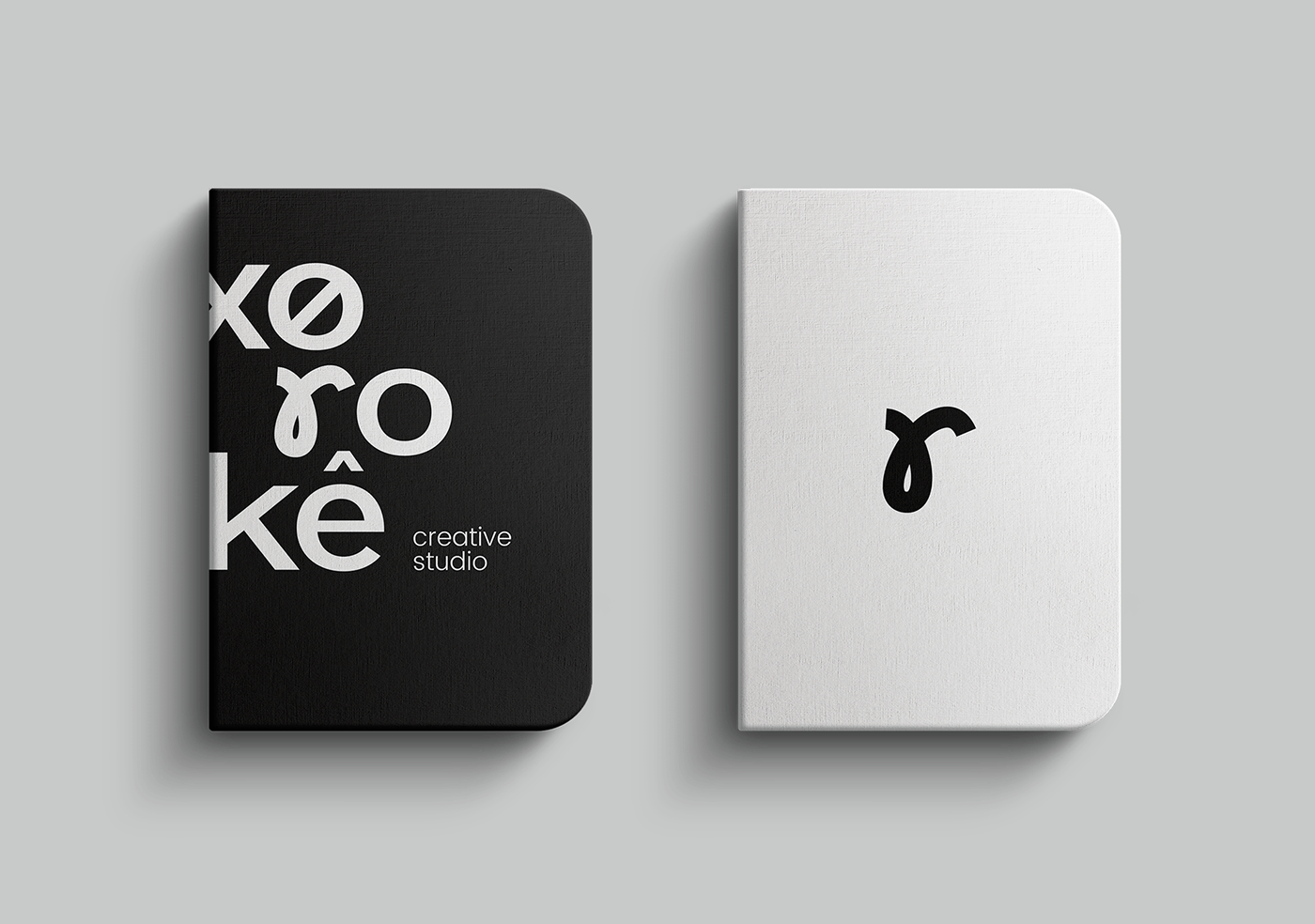
Photo by Abduzeedo
The Power of Less: How Minimalist Branding Drives Business Growth
In an era of non-stop digital notifications, flashing pop-ups, and endless social media feeds, consumers are experiencing unprecedented cognitive overload. For entrepreneurs, startup founders, and growing enterprises, shouting louder in a crowded marketplace no longer works. Instead, the smartest businesses are doing the exact opposite: they are stripping away the non-essential to reveal a clear, powerful core.
This approach is known as minimalist branding. Far beyond just choosing a simple logo or a stark color palette, minimalist branding is a strategic philosophy. It focuses on clarity, purposeful communication, and intentional design that builds instant trust. Whether you are scaling a local enterprise in India or building a global SaaS startup, adopting a minimalist framework cuts through the noise and helps your target audience connect with your value proposition instantly. In this guide, we explore how minimalist branding drives business growth and how you can implement it successfully.
Understanding Minimalist Branding
At its core, minimalist branding is the practice of reducing a brand’s visual identity, messaging, and consumer touchpoints to their absolute essentials without losing meaning or impact. Inspired by the famous design maxim “less is more,” it relies on clean typography, generous negative space, restrained color palettes, and direct, honest communication.
The Core Pillars of Simplicity
-
Visual Purity: Clean lines, uncluttered layouts, and versatile logos that scale seamlessly across digital and physical mediums.
-
Clarity of Message: Eliminating corporate jargon in favor of direct, benefit-driven language that customers understand in seconds.
-
Intentional Experience: Every interaction—from a website landing page to product packaging—serves a specific, frictionless purpose.
Why Minimalist Branding Matters Today
Modern consumers have shorter attention spans and higher expectations than ever before. When a brand tries to communicate ten different messages at once, the customer retains zero.
Reducing Cognitive Load
Human brains process visuals and text much faster when clutter is removed. Minimalist branding reduces cognitive friction, making it effortless for prospective clients to understand what you do, who you serve, and why you are the best choice.
Building Timelessness
Trendy designs age quickly. Neon gradients, overly complex illustrations, and hyper-complex typography look dated within a few years. Minimalist branding anchors your business in timeless design principles, saving you time and capital on frequent rebranding cycles.
Step-by-Step Guide to Implementing Minimalist Branding
Transitioning to a minimalist brand identity requires a methodical, strategic approach. Follow these steps to refine your brand:
1. Audit Your Current Brand Touchpoints
Review your website, social media profiles, packaging, brochures, and email templates. Highlight elements that feel cluttered, confusing, or purely decorative. Ask yourself: Does this add genuine value to the customer experience?
2. Define Your Core Value Proposition
Strip away your mission statement until you can explain your business value in a single, punchy sentence. If your audience has to guess what problem you solve, your branding has failed.
3. Simplify Your Visual Identity
-
Logo: Design a versatile, clean logo that works equally well on a massive billboard and a tiny smartphone screen (favicon).
-
Color Palette: Limit your brand palette to two or three core colors, complemented by generous neutral space (white, off-white, or subtle gray).
-
Typography: Stick to one or two readable font families (such as a clean sans-serif paired with a classic serif for accents).
Real-Life Business Examples
Many of the world’s most successful companies have mastered minimalist branding to scale effectively:
-
Apple: The ultimate example of minimalist product design and digital marketing. Their packaging, website layout, and product presentation focus 100% on the item itself, creating an aura of premium quality.
-
Tata Salt (India): A household staple that uses clean packaging, straightforward typography, and a direct value proposition centered on purity and health, building deep consumer trust across generations.
-
Stripe: In the B2B tech space, Stripe uses clean typography, ample white space, and clear messaging to make complex financial infrastructure look simple and accessible.
Best Practices for Minimalist Branding
To ensure your minimalist transition succeeds without losing your brand’s unique personality, adhere to these professional best practices:
-
Prioritize Functionality: Never sacrifice usability for aesthetics. A minimalist website that is hard to navigate defeats the purpose.
-
Embrace Negative Space: Let your content breathe. White space guides the user’s eye directly to your most important calls-to-action.
-
Maintain Consistency: Apply your minimalist rules uniformly across all channels—from Instagram posts to formal business proposals.
-
Focus on Quality over Quantity: Invest in high-grade imagery, sharp typography, and flawless copywriting rather than high volume.
Common Mistakes to Avoid
-
Confusing Minimalism with Blandness: Minimalism should feel intentional, refined, and premium—not sterile, boring, or unfinished.
-
Chasing Fleeting Trends: Avoid stripping away your brand identity just because a temporary design fad dictates it. Stay true to your core proposition.
-
Neglecting Accessibility: Ensure your minimalist color contrasts and font sizes remain easily readable for all users, including those with visual impairments.
-
Inconsistent Execution: Keeping your website minimalist while your social media channels remain cluttered creates brand confusion.
Frequently Asked Questions (FAQs)
1. What is minimalist branding in simple terms?
Minimalist branding is the practice of stripping away design clutter, complex jargon, and unnecessary visual noise to highlight a brand’s core message and value.
2. Is minimalist branding only suitable for tech startups?
Not at all. While popular in tech, minimalist branding works exceptionally well across retail, professional services, manufacturing, hospitality, and traditional businesses looking to modernize.
3. Will minimalist branding make my business look generic?
It won’t if executed correctly. True minimalism highlights your unique strengths and typography through precise craftsmanship, making your brand look sophisticated rather than generic.
4. How long does a brand simplification project take?
Depending on company size and asset volume, a comprehensive brand simplification and redesign typically takes between 4 to 12 weeks.
5. How does minimalist branding improve customer trust?
By removing confusing elements and communicating clearly, minimalist branding projects confidence, transparency, and high professional standards, which naturally build consumer trust.
Conclusion
Minimalist branding is much more than a design trend; it is a powerful business strategy that cuts through market noise, reduces cognitive friction, and fosters deep customer trust. By focusing on clarity, purposeful visual identity, and streamlined communication, entrepreneurs and business leaders can position their enterprises for sustainable, long-term growth. Embracing simplicity allows your true value proposition to shine through clearly.
Transform Your Brand Today
Ready to elevate your market presence, refine your brand identity, and accelerate your enterprise growth? Connect with Pinehills Business Solutions today for expert business consulting, strategic branding, digital transformation, AI solutions, and comprehensive marketing services tailored to your unique goals.