
Packaging Trends That Are Shaping Modern Business Growth and Brand Loyalty
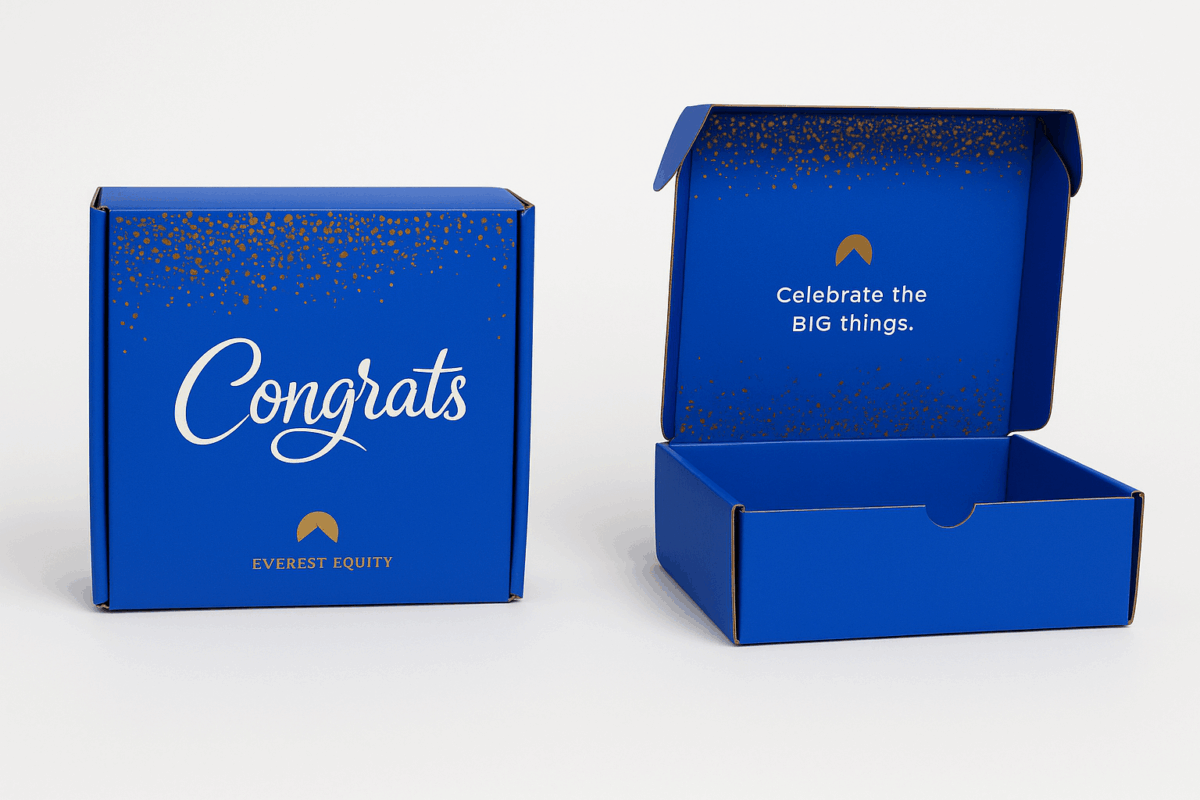
Photo by Allan Paul
Packaging Trends That Are Shaping Modern Business Growth and Brand Loyalty
In today’s crowded marketplace, a product rarely sells on its merits alone. Long before a customer experiences your service or tastes your product, they interact with its outer shell. Packaging has shifted from a mere functional necessity to a powerful psychological tool, a silent salesperson, and a core pillar of brand equity. For entrepreneurs, startups, and established enterprises alike, staying aligned with modern packaging trends is no longer optional—it is a critical growth lever.
Whether you are launching a D2C consumer brand in Mumbai or scaling an enterprise product line globally, how your goods arrive at a doorstep or sit on a retail shelf dictates first impressions, brand retention, and repeat purchases. At Pinehills Business Solutions, we help forward-thinking businesses optimize every touchpoint of their customer journey. Let us explore the packaging trends reshaping commerce today and how you can leverage them to drive sustainable business growth.
The Evolution of Commercial Packaging: Beyond the Box
For decades, packaging served a singular purpose: protection and containment. Today, it acts as a medium for storytelling, ecological responsibility, and technological engagement. Modern consumers—particularly digital natives and conscious buyers—evaluate an entire brand based on the unboxing experience.
1. Sustainability as a Baseline, Not a Trend
Eco-consciousness has matured from a corporate buzzword into an economic necessity. Modern buyers actively penalize brands that rely on excessive plastics and non-recyclable materials.
-
Biodegradable and Composting Materials: Utilizing mushroom packaging, seaweed-derived films, and post-consumer recycled (PCR) paper.
-
Minimalist Material Usage: Reducing empty space inside shipping boxes to minimize carbon footprints and lower freight costs.
-
Refillable Systems: Designing sturdy outer containers meant to be kept, paired with eco-friendly refill pouches.
Business Insight: Adopting sustainable packaging not only protects the environment but often reduces long-term shipping weights, saving valuable capital on logistics.
2. Smart Packaging and Digital Integration
Technology has merged with physical packaging, transforming static boxes into interactive portals. Brands are using packaging to bridge the gap between offline purchases and digital ecosystems.
-
QR Codes and NFC Tags: Placing dynamic codes on boxes that lead customers to instructional videos, loyalty programs, or authenticity verifications.
-
Active and Intelligent Packaging: Utilizing freshness indicators or tamper-evident seals that build immediate consumer trust, particularly in food, beverage, and pharmaceutical sectors.
3. Sensory Minimalism and Clean Aesthetics
Cluttered designs with overwhelming text are giving way to clean, intentional layouts. Minimalist packaging communicates premium quality, transparency, and sophistication.
-
Tactile Finishes: Employing matte laminates, embossed logos, and textured paper stocks that engage the sense of touch.
-
Purposeful Typography: Letting clean lines and clear messaging take center stage rather than loud, distracting graphics.
Practical Examples: How Brands Win With Packaging
To understand how these trends translate into revenue, let us look at real-world applications across different business models.
-
The D2C Skincare Startup: A boutique cosmetic brand replaced traditional plastic bubble wrap with honeycomb paper padding and switched to glass containers with aluminum lids. By emphasizing zero waste in their marketing, they increased repeat orders by 35% among eco-conscious millennials.
-
The Specialty Food Brand: A gourmet coffee startup incorporated unique QR codes on their bags linking to a Spotify playlist curated for morning brews and a guide on bean origins. This turned a routine morning routine into an immersive brand experience.
Best Practices for Implementing Packaging Trends
Integrating new packaging strategies requires a delicate balance between aesthetics, cost-efficiency, and functionality. Keep these best practices in mind:
-
Conduct a Material Audit: Review your current supply chain to identify where plastic can be eliminated without compromising product safety.
-
Prioritize the Unboxing Experience: Design your packages with the end recipient in mind. Unboxing is a primary driver of user-generated content (UGC) on social media platforms like Instagram and YouTube.
-
Test for Durability: A beautiful box is useless if the product arrives damaged. Always stress-test your packaging across standard courier networks before full-scale deployment.
-
Align With Brand Identity: Ensure your typography, color palettes, and material choices match your broader digital branding and core company values.
Common Mistakes to Avoid
Even experienced business leaders stumble when redesigning product packaging. Watch out for these pitfalls:
-
Over-Packaging: Using oversized boxes for small items increases shipping expenses and frustrates consumers with excessive waste.
-
Sacrificing Functionality for Form: Designing an avant-garde container that is difficult to open or store properly will alienate customers.
-
Ignoring Regulatory Compliance: Failing to include mandatory ingredient lists, nutritional facts, or legal disclaimers can lead to costly recalls or penalties.
-
Failing to Budget Accurately: Underestimating unit costs for custom eco-friendly materials can quietly erode your profit margins.
Frequently Asked Questions (FAQs)
Q1: How can small businesses afford eco-friendly packaging? A1: While custom sustainable materials can carry a higher upfront cost, small businesses can start by sourcing standard recycled stock boxes and investing in custom branded tape or stamps. This achieves a premium, eco-friendly look without high minimum order quantities (MOQs).
Q2: Are QR codes on packaging actually effective? A2: Yes, when they offer genuine value. Consumers will scan codes if they lead to exclusive discounts, product tutorials, or loyalty sign-ups, but they will ignore them if they link to generic homepage URLs.
Q3: How does packaging impact e-commerce return rates? A3: Secure, easy-to-reseal packaging reduces transit damage and makes the return process seamless for customers if an exchange is necessary. This builds long-term trust and lowers customer service friction.
Q4: Should my packaging design change based on geographic markets? A4: If you are expanding internationally—such as scaling from India to global markets—local regulatory requirements, language preferences, and cultural color associations must influence your packaging variations.
Q5: How do I balance minimalist design with essential product information? A5: Use clean front-facing layouts for your primary branding, and utilize side panels or QR-linked digital inserts to house regulatory text, detailed instructions, and company background stories.
Conclusion
Packaging is far more than an expense item on your balance sheet; it is a vital strategic asset. By embracing sustainability, integrating smart technologies, and prioritizing clean, tactile design, businesses can elevate their brand perception and drive customer loyalty. In a marketplace where consumer attention is scarce, thoughtful packaging acts as your most reliable ambassador.
Take the Next Step with Pinehills Business Solutions
Ready to transform your product packaging, refine your brand identity, and accelerate your business growth? Connect with the experts at Pinehills Business Solutions today for tailored business consulting, branding, digital transformation, and marketing solutions designed to scale your enterprise for tomorrow.