
The Ultimate Product Label Design Guide for Growing Brands
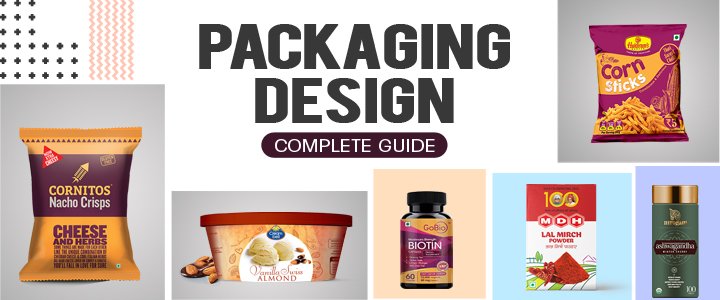
Photo by DesignerPeople
The Ultimate Product Label Design Guide for Growing Brands
Your product’s label is often the silent salesperson on a crowded retail shelf or digital marketplace. In less than three seconds, a consumer decides whether to pick up your item or pass it by. For entrepreneurs, startup founders, and small business owners, effective product label design is much more than just a creative exercise—it is a powerful strategic tool that drives brand recognition, builds consumer trust, and directly influences purchasing decisions.
Whether you are launching a new consumer packaged good, scaling a boutique food line, or expanding an artisanal manufacturing venture, understanding how to balance aesthetics with legal compliance and consumer psychology is essential. This comprehensive guide explores the core principles, step-by-step processes, and industry best practices needed to create compelling packaging that turns casual browsers into loyal customers.
Main Content
The Strategic Importance of Packaging and Labeling
Long before a customer experiences the quality of your product inside the container, they interact with the exterior. A well-crafted label communicates your brand’s core values, price point, and quality instantly. In competitive markets across India and globally, packaging serves as your primary differentiator. When executed correctly, good design bridges the gap between marketing promises and tangible customer expectations.
Key Components of an Effective Product Label
Every successful label harmonizes visual elements with regulatory requirements. To build a balanced design, you must master its fundamental components:
-
Brand Identity and Logo: Positioned prominently to ensure immediate brand recall.
-
Typography: Clear, legible fonts that reflect your brand personality (e.g., modern sans-serif for tech-forward products, classic serif for luxury goods).
-
Color Palette: Strategic use of colors that evoke specific psychological responses and align with your brand guidelines.
-
Product Information: Concise descriptions, net weight, usage instructions, and value propositions.
-
Regulatory & Compliance Data: Mandatory details such as barcodes, MRP, ingredient lists, manufacturing dates, and safety warnings.
Practical Examples
To see these principles in action, consider two distinct market approaches:
-
The Artisanal Food Brand: A specialty honey startup uses minimalist earthy tones, textured kraft paper stock, and clear typography to signal organic purity and artisanal craftsmanship. The label highlights local sourcing, instantly attracting health-conscious consumers.
-
The Direct-to-Consumer Skincare Brand: A modern cosmetics company utilizes clean, bold typography on a matte white background with color-coded accent lines for different active ingredients. This clean layout builds immediate consumer trust regarding product efficacy and safety standards.
Best Practices
Implementing industry best practices ensures your packaging remains functional, scalable, and visually appealing:
-
Prioritize Hierarchy: Design with a clear focal point. The brand name and primary product benefit should draw the eye first, followed by secondary details.
-
Design for the Target Audience: Research what visual cues resonate with your specific buyer persona, whether corporate buyers, urban millennials, or budget-conscious families.
-
Choose the Right Materials: Select label materials (such as vinyl, BOPP film, or textured paper) that withstand environmental factors like moisture, refrigeration, or friction.
-
Keep it Clutter-Free: White space is your friend. Avoid overcrowding the label with excessive text or competing graphic elements.
Common Mistakes to Avoid
Steer clear of these frequent pitfalls during your design and printing process:
-
Ignoring Legal Requirements: Failing to include mandatory statutory declarations (such as FSSAI compliance for food items or BIS standards) can result in heavy penalties or product recalls.
-
Poor Contrast and Readability: Using light text on a light background or intricate fonts that are too small to read on a retail shelf.
-
Skipping Physical Prototyping: Relying solely on digital screen proofs without printing a physical mockup to check colors, scale, and adhesion.
Frequently Asked Questions (FAQs)
Q1: What is the most critical element of product label design?
A: Hierarchy is crucial. The primary product identifier and brand name must be instantly clear so consumers understand what the product is within seconds.
Q2: How do regulatory requirements impact design layout?
A: Regulatory mandates (like ingredient lists, batch numbers, net quantity, and safety warnings) require a designated percentage of label space, which must be factored into your layout from the very beginning.
Q3: Should I use matte or gloss finish for my labels?
A: It depends on your brand identity. Matte finishes offer an understated, premium, and modern aesthetic, while gloss finishes provide high shine, vibrant color saturation, and extra moisture resistance.
Q4: How can small businesses keep label printing costs manageable?
A: For smaller batches, digital printing offers cost-effective short runs without high setup plate costs. As volume scales, switching to flexographic printing can significantly reduce per-unit costs.
Q5: How often should a brand update its product labels?
A: While your core brand identity should remain consistent, subtle refreshes or seasonal packaging variations can be introduced every few years to modernize your look or highlight product improvements.
Conclusion
A stellar product label design is a vital investment in your brand’s growth and market presence. By combining clear visual hierarchy, thoughtful material selection, and strict adherence to regulatory standards, you can create packaging that not only captures attention on the shelf but also builds long-term customer loyalty. Strategic packaging transforms a simple container into an active growth engine for your enterprise.
Call-to-Action
Ready to elevate your brand packaging, streamline your marketing strategy, and accelerate your enterprise growth? Connect with Pinehills Business Solutions today for expert business consulting, branding, marketing, digital transformation, AI solutions, and comprehensive business growth services. Let us help you turn your product vision into market success!