
Business Case Study on Tesla: A Timeless Example of Vision, Trust, and Business Growth Strategy
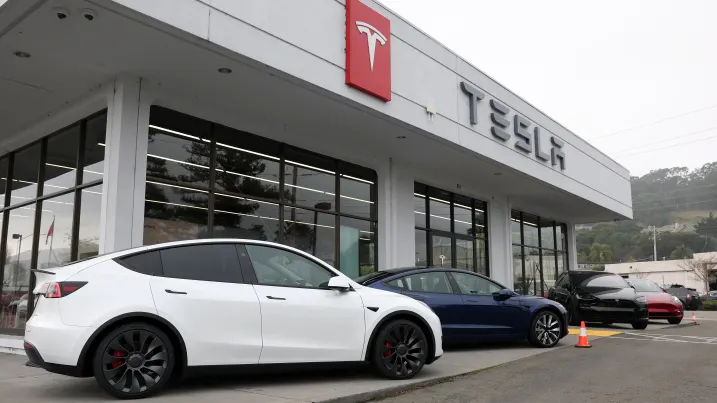
Photo by Lora Kolodny
Business Case Study on Tesla: A Timeless Example of Vision, Trust, and Business Growth Strategy
In today’s fast-changing business world, very few companies manage to completely redefine an industry. This business case study of Tesla is not just about electric cars—it’s about vision, risk-taking, and a powerful business growth strategy that reshaped global markets.
At Pinehills Business Solutions, we believe real learning comes from real stories. In this case study, you will discover how Tesla overcame financial struggles, built a unique marketing strategy, and achieved massive branding success—lessons that are highly relevant for Indian startups, students, and entrepreneurs.
Company Background: The Vision Behind Tesla
Tesla was founded in 2003 in California by engineers Martin Eberhard and Marc Tarpenning. However, the company’s real turning point came when Elon Musk joined as an investor and later became CEO.
Founder Story & Early Days
Elon Musk wasn’t just building a car company—he wanted to accelerate the world’s transition to sustainable energy. His vision was bold, almost unrealistic at the time. Electric vehicles were seen as slow, expensive, and unattractive.
Initial Challenges
Tesla’s early years were full of struggles:
- Limited funding
- Skepticism from investors
- Technology limitations
- Low market demand for EVs
Vision & Mission
Tesla’s mission was simple yet powerful:
“To accelerate the world’s transition to sustainable energy.”
This clarity helped Tesla stay focused even during its toughest phases.
The Core Problems Tesla Faced
Like every startup, Tesla faced multiple challenges across different business areas.
1. Financial Problems
Tesla was burning cash rapidly. Production costs were high, and profits were almost non-existent in the early years. At one point, the company was on the verge of bankruptcy.
2. Marketing Problem
Unlike traditional car companies, Tesla didn’t invest heavily in advertising. This raised a big question—how would customers trust a new brand without marketing?
3. Branding Problem
Electric cars had a boring image. Convincing people that EVs could be stylish, fast, and premium was a major challenge.
4. Competition Problem
Established automotive giants like Toyota, Ford, and BMW dominated the market. Competing with such brands required a unique business growth strategy.
5. Production & Growth Issues
Tesla struggled with manufacturing delays, supply chain issues, and scaling production—especially during the launch of the Model 3.
6. Management Pressure
Elon Musk faced intense pressure from investors, media, and customers. Leadership decisions during crises were critical.
The Turning Point: Strategy That Changed Everything
Tesla didn’t follow traditional rules. Instead, it built its success on bold decisions and innovative thinking.
1. Product-Based Marketing Strategy
Instead of spending billions on ads, Tesla focused on creating products that market themselves.
- High-performance electric cars
- Futuristic design
- Advanced technology
This turned customers into brand ambassadors.
2. Premium Branding First Approach
Tesla started with high-end cars like the Roadster and Model S. This helped build a premium image before moving to mass-market vehicles.
3. Direct-to-Consumer Sales Model
Tesla avoided dealerships and sold directly to customers online and through showrooms. This gave better control over pricing and customer experience.
4. Innovation as a Core Strategy
Tesla didn’t just build cars—it built an ecosystem:
- Battery technology
- Autonomous driving
- Supercharger network
This innovation-driven approach became its biggest competitive advantage.
5. Digital-First Marketing
Tesla leveraged:
- Social media buzz
- Elon Musk’s personal brand
- Viral product launches
Without traditional advertising, Tesla became one of the most talked-about brands globally.
6. Strong Leadership Decisions
Elon Musk’s willingness to take risks—investing his own money, pushing aggressive deadlines, and challenging industry norms—played a crucial role.
Results: From Struggle to Global Market Leader
Tesla’s strategies delivered powerful results that turned it into a global success story.
1. Revenue Growth
Tesla’s revenue grew from millions to billions of dollars annually, making it one of the most valuable automobile companies in the world.
2. Customer Growth
Millions of customers worldwide adopted Tesla vehicles, creating a loyal and passionate community.
3. Branding Success
Tesla is now seen as:
- Innovative
- Premium
- Environment-friendly
It completely changed the perception of electric vehicles.
4. Global Expansion
Tesla expanded into:
- USA
- China
- Europe
- Other international markets
5. Social Media Dominance
Tesla’s online presence is massive, driven largely by organic engagement rather than paid ads.
6. Market Influence
Tesla forced traditional car companies to shift toward electric vehicles—proving its industry impact.
Pinehills Business Solutions Analysis: What You Can Learn
At Pinehills Business Solutions, we analyze successful companies to extract real-world insights for our clients.
1. Focus on Strong Vision
A clear mission can guide decisions even during tough times. Businesses in India must define their “why.”
2. Product Quality is the Best Marketing
Instead of spending heavily on ads, invest in creating value. A strong product naturally builds trust.
3. Branding Matters More Than You Think
Tesla didn’t just sell cars—it sold a lifestyle. Indian startups should focus on emotional branding.
4. Take Calculated Risks
Growth comes from stepping out of comfort zones. However, risks must be backed by strategy.
5. Learn Digital Marketing Smartly
Tesla’s success shows that:
- Social media is powerful
- Personal branding works
- Content creates engagement
6. Mistakes to Avoid
- Ignoring customer experience
- Over-expanding without planning
- Weak financial management
7. Business Tips for Startups
- Start small, think big
- Build a strong brand identity
- Focus on innovation
- Stay consistent
These lessons are especially valuable for students, small businesses, and entrepreneurs in India looking for effective business consulting India insights.
The Human Side of Tesla’s Journey
Behind Tesla’s success is a story of struggle, sleepless nights, and relentless determination.
Elon Musk reportedly invested his last savings into Tesla when the company was close to collapse. Employees worked under extreme pressure. Production failures and public criticism tested their patience.
But what kept them going?
Belief in their mission.
This emotional strength, combined with hard work and resilience, is what separates ordinary businesses from extraordinary ones.
Conclusion: Your Business Can Be the Next Success Story
This business case study of Tesla proves that success doesn’t come from playing safe—it comes from bold thinking, smart marketing strategy, and a strong vision.
Whether you are a student, startup founder, or business owner, the lessons from Tesla can help you build your own path to success.
At Pinehills Business Solutions, we specialize in:
- Business consulting
- Branding and marketing strategy
- Growth planning
- School and college projects
- Event management solutions
If you want to transform your ideas into a successful business, connect with us today. Let’s build your success story together.