
Business Models Explained: Types, Examples, and How to Choose the Right One
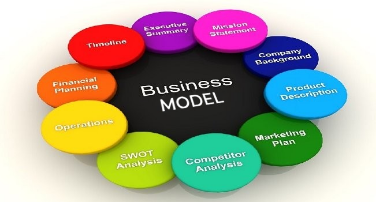
Photo by Marc René Deschenaux
Business Models Explained: Types, Examples, and How to Choose the Right One
Every successful business is built on a strong business model. Whether you are launching a startup, expanding a small business, or improving an established company, understanding how your business creates, delivers, and captures value is essential. A well-designed business model not only generates revenue but also helps businesses remain competitive in changing markets.
Today’s entrepreneurs face increasing competition, evolving customer expectations, and rapid technological advancements. Choosing the right business model can make the difference between sustainable growth and business failure. This guide explains what business models are, explores the most common types, provides real-world examples, and offers practical advice to help business owners make informed decisions.
Main Content
What Is a Business Model?
A business model is a framework that explains how a company creates value for customers, delivers its products or services, and earns revenue.
A strong business model answers important questions such as:
- Who are the target customers?
- What problem does the business solve?
- What products or services are offered?
- How does the business generate revenue?
- What costs are involved?
- What makes the business different from competitors?
Simply put, a business model is the blueprint that guides how a company operates and grows.
Why Is a Business Model Important?
A clear business model helps organizations:
- Identify profitable revenue opportunities.
- Understand customer needs better.
- Improve operational efficiency.
- Attract investors and business partners.
- Scale operations with confidence.
- Adapt quickly to changing market conditions.
Businesses with a well-defined model often make better strategic decisions because they understand where value is created and how profits are generated.
Common Types of Business Models
1. Product-Based Business Model
Companies manufacture or purchase products and sell them directly to customers.
Examples:
- Apple
- Samsung
- Nike
Best suited for:
- Manufacturing businesses
- Retail companies
- Consumer goods brands
2. Service-Based Business Model
Revenue comes from providing professional services instead of physical products.
Examples:
- Consulting firms
- Digital marketing agencies
- Legal and accounting firms
Best suited for:
- Freelancers
- Consultants
- Agencies
3. Subscription Business Model
Customers pay a recurring monthly or yearly fee for continued access to products or services.
Examples:
- Netflix
- Spotify
- Microsoft 365
Benefits:
- Predictable revenue
- Higher customer retention
- Easier financial planning
4. Marketplace Business Model
A marketplace connects buyers and sellers while earning commissions or service fees.
Examples:
- Amazon Marketplace
- Airbnb
- Uber
This model requires strong technology, trust, and network effects to succeed.
5. Freemium Business Model
Basic services are offered free, while premium features require payment.
Examples:
- LinkedIn Premium
- Canva
- Zoom
This strategy helps businesses acquire users quickly before converting them into paying customers.
6. Franchise Business Model
A company allows others to operate under its established brand and business system.
Examples:
- McDonald’s
- Domino’s Pizza
- Subway
Franchising enables rapid expansion with lower capital investment for the parent company.
7. Advertising Business Model
Businesses provide free or low-cost content while earning revenue through advertising.
Examples:
- YouTube
Success depends on attracting a large and engaged audience.
How to Choose the Right Business Model
Selecting the right business model requires careful planning.
Step 1: Understand Your Target Audience
Identify customer needs, preferences, purchasing behavior, and pain points.
Step 2: Define Your Value Proposition
Explain why customers should choose your business instead of competitors.
Step 3: Identify Revenue Sources
Consider different revenue streams such as:
- Product sales
- Subscription fees
- Licensing
- Consulting
- Advertising
- Affiliate income
Step 4: Estimate Costs
Calculate operational expenses including:
- Marketing
- Salaries
- Technology
- Manufacturing
- Logistics
Step 5: Test Before Scaling
Launch a Minimum Viable Product (MVP), collect customer feedback, and improve before expanding.
Practical Business Examples
Netflix
Netflix transitioned from DVD rentals to a subscription-based streaming model. This shift created recurring revenue and helped the company expand globally.
Airbnb
Airbnb owns very few properties. Instead, it connects travelers with property owners and earns commissions on every booking.
Apple
Apple combines multiple business models by selling premium hardware, digital services, subscriptions, and software, creating multiple revenue streams.
Indian Example: Zomato
Zomato generates revenue through food delivery commissions, restaurant advertising, subscriptions, and logistics services, demonstrating how businesses can diversify income sources.
Business Model Innovation
Modern businesses continuously improve their business models to stay competitive.
Popular innovations include:
- AI-powered services
- Platform businesses
- Digital marketplaces
- Software-as-a-Service (SaaS)
- Direct-to-Consumer (D2C) brands
- Hybrid online and offline models
Businesses that regularly innovate are generally better positioned to respond to market changes and customer expectations.
Practical Tips
- Focus on solving a genuine customer problem.
- Keep your revenue model simple in the beginning.
- Diversify income sources gradually.
- Monitor customer feedback regularly.
- Use data to improve business decisions.
- Continuously review competitor strategies.
- Invest in digital tools and automation where appropriate.
Best Practices
- Clearly define your customer segment.
- Build a strong and unique value proposition.
- Develop multiple sustainable revenue streams.
- Track important business metrics regularly.
- Keep operational costs under control.
- Embrace digital transformation and AI responsibly.
- Adapt your business model as customer needs evolve.
- Test new ideas before making large investments.
- Prioritize customer experience.
- Create long-term scalability plans.
Common Mistakes to Avoid
- Trying to serve everyone instead of a specific audience.
- Ignoring customer feedback.
- Depending on only one revenue source.
- Underestimating operational costs.
- Expanding too quickly without validation.
- Failing to differentiate from competitors.
- Avoiding innovation because current methods appear successful.
- Neglecting financial planning and cash flow management.
Frequently Asked Questions (FAQs)
1. What is a business model?
A business model explains how a company creates value, delivers products or services, and earns revenue.
2. Why is choosing the right business model important?
The right model improves profitability, customer satisfaction, scalability, and long-term sustainability.
3. Can a business have multiple business models?
Yes. Many successful companies combine different business models to generate multiple revenue streams.
4. Which business model is best for startups?
There is no universal answer. The ideal model depends on the target market, available resources, customer needs, and growth objectives.
5. How often should a business review its business model?
Businesses should review their models regularly, especially when customer preferences, technology, or market conditions change.
Conclusion
A business model is much more than a revenue plan—it is the foundation of every successful organization. From identifying the right customers to selecting sustainable revenue streams, every decision influences long-term growth. Whether you choose a product-based, subscription, marketplace, service, or hybrid model, success depends on understanding customer needs, delivering consistent value, and continuously adapting to market changes. Businesses that regularly evaluate and refine their business models are better equipped to seize new opportunities and remain competitive in an evolving business landscape.
Call-to-Action
Looking to build, refine, or scale your business model? Pinehills Business Solutions helps entrepreneurs, startups, and growing businesses with strategic business consulting, branding, digital marketing, AI-driven solutions, digital transformation, and sustainable growth strategies. Connect with our experts today to develop a business model that supports long-term success and competitive advantage.