
Business Case Study on Exxon Mobil: A Timeless Example of Vision, Trust, and Business Growth Strategy
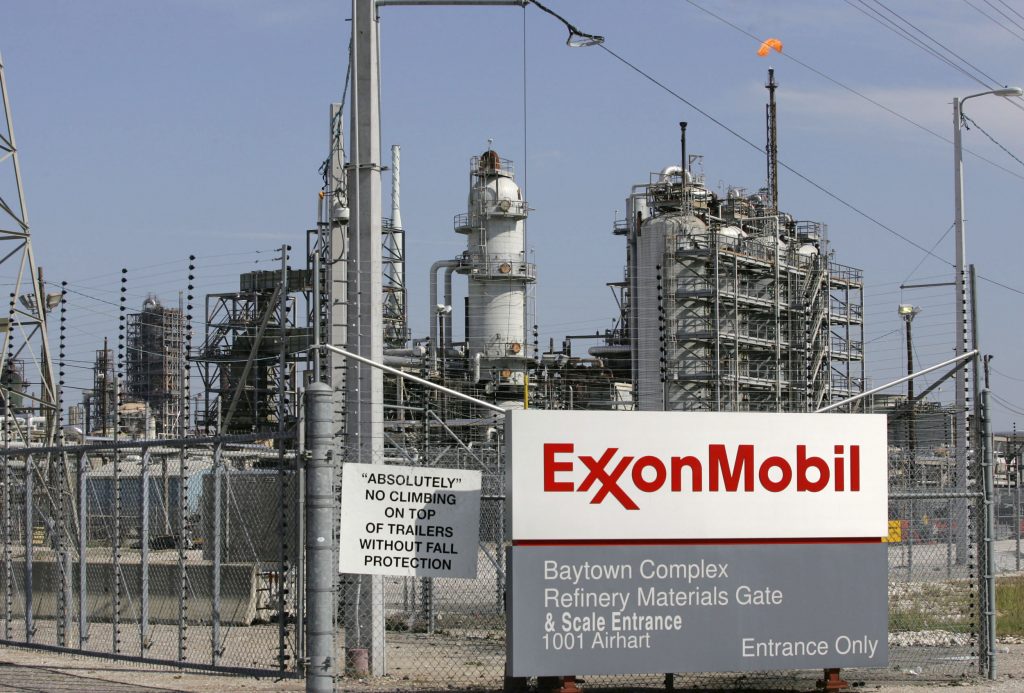
Photo by Cathy Bussewitz
Business Case Study on Exxon Mobil: A Timeless Example of Vision, Trust, and Business Growth Strategy
In the world of global business, very few companies have survived economic crises, technological shifts, political pressure, and changing customer expectations as successfully as Exxon Mobil. This business case study is important because it shows how a company can evolve, recover from setbacks, and maintain market leadership through strong business growth strategy, innovation, and disciplined management.
For entrepreneurs, students, startups, and business leaders, the journey of Exxon Mobil offers valuable lessons in branding success, risk management, leadership, and long-term planning. In this detailed case study by Pinehills Business Solutions, readers will learn how one of the world’s largest energy companies transformed challenges into opportunities and built a global reputation through strategic thinking and operational excellence.
The Background of Exxon Mobil
The roots of Exxon Mobil go back to the late 19th century. The company originated from the famous Standard Oil business founded by John D. Rockefeller in 1870 in the United States. After the breakup of Standard Oil in 1911 due to antitrust regulations, several independent companies emerged. Two of those companies later became Exxon and Mobil.
Eventually, Exxon and Mobil merged in 1999, creating Exxon Mobil Corporation, headquartered in Irving. The merger became one of the largest corporate mergers in history and helped the company strengthen its global position in the oil and gas industry.
From the beginning, the company’s vision was clear: provide reliable energy solutions while expanding technological innovation and operational efficiency. Exxon Mobil aimed to become a global leader not only in oil production but also in research, refining, chemicals, and energy distribution.
However, the journey was not smooth.
Early Challenges and Struggles
Like many global businesses, Exxon Mobil faced several difficult phases during its growth journey.
Financial and Market Challenges
The oil and gas industry is extremely unpredictable. Fluctuating crude oil prices often affected profitability. Economic recessions, geopolitical tensions, and supply chain disruptions created continuous uncertainty.
When oil prices crashed globally, many energy companies struggled to maintain stability. Exxon Mobil had to carefully manage operational costs while protecting shareholder confidence.
Branding and Public Image Problems
One of the biggest challenges came from environmental criticism. Oil companies worldwide faced increasing pressure regarding climate change and carbon emissions. Exxon Mobil often became the target of activists, environmental groups, and media criticism.
This created a major branding challenge. The company had to balance profitability with public responsibility while protecting its global image.
Competition and Industry Pressure
Competition from companies like Shell, Chevron, and BP intensified over time. At the same time, renewable energy companies started changing the future of the energy sector.
Exxon Mobil was under pressure to innovate faster while maintaining dominance in traditional energy markets.
Management and Growth Challenges
Managing a multinational corporation operating across dozens of countries is never easy. Cultural differences, government regulations, environmental compliance, and operational risks created constant management pressure.
The company needed a long-term business growth strategy capable of balancing expansion, sustainability, and profitability.
The Turning Point: Strategy and Transformation
Instead of reacting emotionally to challenges, Exxon Mobil focused on disciplined business planning and strategic execution.
Strong Business Strategy
One major strength of Exxon Mobil was its long-term investment mindset. While competitors often focused on short-term market reactions, Exxon Mobil invested heavily in infrastructure, refining capacity, and research.
The company expanded its upstream and downstream operations to create a stable business ecosystem. This diversified structure helped reduce risk during market downturns.
Innovation and Technology
Exxon Mobil invested billions in research and development. Advanced drilling technologies, data analytics, and energy-efficient refining systems improved operational performance.
The company also increased investment in cleaner energy technologies and carbon capture research. This strategic move helped improve public perception while preparing for future energy transitions.
Branding and Reputation Management
To rebuild trust and improve branding success, Exxon Mobil strengthened its communication strategies. The company began promoting sustainability initiatives, technological advancements, and community development programs.
Corporate transparency and stakeholder engagement became increasingly important parts of its branding strategy.
Leadership Decisions
Strong leadership played a critical role in the company’s survival and growth. Exxon Mobil focused on disciplined financial management, strategic acquisitions, and calculated risk-taking.
Leaders understood that emotional decisions during economic downturns could damage long-term stability. Instead, they focused on resilience and consistency.
Marketing and Customer Strategy
Unlike traditional consumer brands, Exxon Mobil’s marketing strategy focused heavily on trust, reliability, industrial partnerships, and global credibility.
The company improved customer experience through fuel quality innovation, operational reliability, and strategic partnerships worldwide. Digital transformation also helped streamline communication and operational management.
Results and Global Impact
The results of Exxon Mobil’s strategies were remarkable.
Revenue and Financial Growth
Exxon Mobil consistently remained among the world’s highest-revenue companies. Even during periods of market uncertainty, the company maintained strong financial positioning through disciplined operations and strategic investments.
Global Expansion
The company expanded operations across North America, Asia, Europe, Africa, and the Middle East. Its global supply chain and infrastructure network became one of the strongest in the energy industry.
Brand Recognition
Today, Exxon Mobil is recognized globally as one of the most influential energy brands. Despite criticism and industry pressure, the company maintained strong brand visibility and market authority.
Innovation Leadership
Its investment in technology and research positioned the company as a leader in industrial innovation. Exxon Mobil demonstrated that traditional businesses can evolve through strategic adaptation.
Market Success
The company’s ability to survive industry downturns while continuing expansion became a powerful example of business resilience and strategic management.
Analysis from Pinehills Business Solutions
At Pinehills Business Solutions, we believe this business case study offers several valuable lessons for startups, schools, entrepreneurs, and Indian businesses.
What Businesses Can Learn
- Long-term thinking creates stronger businesses.
- Branding success requires trust and consistency.
- Innovation is necessary for survival in competitive markets.
- Crisis management depends on disciplined leadership.
Mistakes Businesses Should Avoid
Many businesses fail because they panic during difficult times. Exxon Mobil showed the importance of staying strategic instead of emotional.
Another common mistake is ignoring public perception. Modern customers care about responsibility, sustainability, and transparency.
Smart Strategies for Startups
For startups and Indian entrepreneurs, this case highlights the importance of:
- Building strong operational systems
- Investing in innovation
- Creating brand trust early
- Maintaining financial discipline
- Adapting to market changes quickly
Small businesses often think only large corporations need strategy. In reality, every business needs planning, branding, and customer-focused execution.
The Human Side of the Story
Behind the corporate numbers and global operations lies a story of risk, pressure, and determination.
Exxon Mobil’s journey reflects the emotional reality of business leadership. Economic crashes, public criticism, environmental debates, and global uncertainty created enormous pressure for company leaders and employees.
Yet the company continued evolving. That resilience teaches an important lesson: successful businesses are not built only through profits. They are built through persistence, hard work, strategic thinking, and the courage to adapt during difficult times.
Business success is never a straight road. It is a combination of failures, recovery, innovation, and leadership under pressure.
Conclusion
The story of Exxon Mobil is more than just the story of an energy company. It is a powerful lesson in business growth strategy, branding success, leadership, and resilience.
From surviving economic downturns to managing global expansion and adapting to changing industry expectations, Exxon Mobil demonstrated how strategic planning and innovation can sustain long-term success.
For entrepreneurs, startups, schools, and organizations looking to grow strategically, this business case study provides practical insights into leadership, marketing strategy, operational excellence, and brand management.
If you want expert guidance in business consulting India, branding, marketing strategy, event management, school projects, or business growth planning, connect with Pinehills Business Solutions today and take your business vision to the next level.