
Business Case Study on ASML: A Timeless Example of Vision, Trust, and Business Growth Strategy
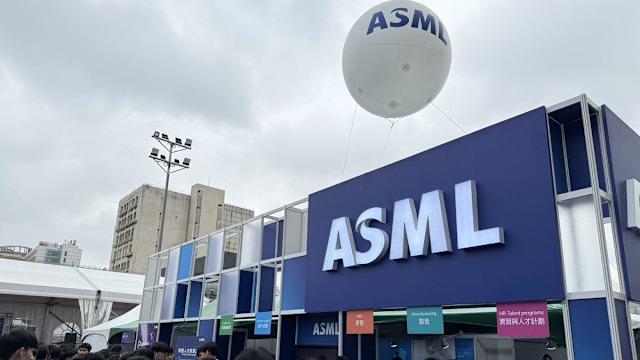
Photo by ETtoday Finance
Business Case Study on ASML: A Timeless Example of Vision, Trust, and Business Growth Strategy
In today’s digital world, every smartphone, laptop, AI tool, electric vehicle, and smart device depends on advanced semiconductor chips. But behind the success of companies like Apple, Intel, NVIDIA, and Samsung stands one lesser-known but extremely powerful company — ASML.
This business case study is important because ASML’s journey is not just about technology; it is about patience, innovation, risk-taking, leadership, and long-term business growth strategy. From a small startup in the Netherlands to becoming one of the world’s most valuable technology companies, ASML’s story offers powerful lessons for startups, entrepreneurs, and business leaders across India and beyond.
In this case study by , readers will learn how innovation, branding success, and strategic decision-making transformed ASML into a global monopoly in advanced chip-making technology.
The Beginning of ASML: A Vision Built on Innovation
ASML was founded in 1984 as a joint venture between Philips and ASM International in the Netherlands. The company started in a small wooden building beside a Philips office in Eindhoven. At the time, very few people believed that this small company could compete against powerful Japanese and American technology firms.
The founders had one clear vision — to create advanced lithography machines that could help semiconductor manufacturers produce smaller, faster, and more efficient computer chips.
However, the journey was far from easy.
During its early years, ASML struggled with limited funding, low market trust, technological limitations, and strong competition from established companies like Nikon and Canon. The semiconductor industry required extremely high precision and massive research investments. Even a tiny error in chip manufacturing could lead to huge losses.
Despite these challenges, ASML remained committed to innovation and long-term growth rather than short-term profits. That decision later became the foundation of its global success.
The Major Business Challenges ASML Faced
1. Intense Competition in the Market
When ASML entered the semiconductor equipment industry, companies like Nikon already dominated the market. Customers trusted established brands more than a new European startup.
This created a serious branding and credibility problem for ASML.
2. Financial Pressure and High R&D Costs
Building lithography machines required billions of dollars in research and development. The company often faced financial pressure because innovation cycles were long, expensive, and risky.
For many years, profitability remained uncertain.
3. Technological Complexity
ASML’s biggest challenge was technological advancement. Semiconductor companies wanted chips that were smaller and more powerful every year. Traditional manufacturing methods were reaching their limits.
The company had to develop machines that could operate with extreme precision at a microscopic level.
4. Market Trust and Customer Confidence
Convincing global chip manufacturers to adopt new technology from a relatively unknown company was difficult. Many customers hesitated because switching equipment suppliers involved huge operational risks.
5. Scaling Operations Globally
As demand increased, ASML also faced growth and management challenges. Expanding operations across multiple countries while maintaining product quality and innovation became a major test for leadership.
The Turning Point: Innovation Became ASML’s Greatest Weapon
The real turning point came when ASML focused aggressively on Extreme Ultraviolet Lithography (EUV) technology.
Instead of competing directly through price wars, the company chose a smarter business growth strategy — dominate through innovation.
EUV technology was considered almost impossible to achieve. It required years of scientific research, collaboration with suppliers, and billions of dollars in investment. Many experts believed the project would fail.
But ASML’s leadership believed otherwise.
The company invested heavily in research partnerships, engineering talent, and long-term development. This bold leadership decision changed everything.
Strategic Business Decisions That Changed the Game
Long-Term Innovation Strategy
ASML understood that true market leadership comes from solving future problems before competitors even recognize them. The company focused on creating technology that competitors could not easily replicate.
Strong Customer Relationships
Instead of treating clients as buyers, ASML built collaborative relationships with major chip manufacturers like Intel, Samsung, and TSMC. Customers even invested financially in ASML’s R&D programs.
This created trust and long-term partnerships.
Branding Through Excellence
ASML did not rely heavily on flashy advertising. Its branding success came from delivering unmatched performance and reliability. Over time, the company became known as the “heart of the semiconductor industry.”
Global Expansion and Talent Development
The company expanded internationally while investing heavily in skilled engineers, scientists, and innovation teams. Its management focused on building a culture of precision, learning, and continuous improvement.
Digital and Industry Positioning
ASML strengthened its global presence through industry conferences, technical publications, strategic media coverage, and thought leadership. Rather than traditional consumer marketing strategy, it focused on authority-based branding within the technology ecosystem.
The Results: ASML’s Rise to Global Dominance
The results of ASML’s strategy were extraordinary.
Today, ASML is the only company in the world capable of manufacturing advanced EUV lithography machines. This has made it one of the most critical technology companies globally.
Business Impact and Growth
- Massive revenue growth over the years
- Strong global market dominance
- Partnerships with the world’s largest chip manufacturers
- Expansion across Europe, Asia, and the United States
- Increased investor confidence and market valuation
- Recognition as one of the most innovative companies in the world
ASML’s machines are now essential for manufacturing advanced semiconductor chips used in artificial intelligence, smartphones, cloud computing, electric vehicles, and defense technologies.
Its success proves that innovation-driven businesses can outperform even larger competitors with the right strategy and patience.
What Businesses Can Learn from ASML: Pinehills Business Solutions Analysis
At , we believe ASML’s journey offers valuable lessons for Indian startups, schools, entrepreneurs, and growing businesses.
1. Innovation Creates Long-Term Branding Success
Businesses should focus on solving real problems instead of copying competitors. Strong innovation builds trust and market authority naturally.
2. Patience Is a Powerful Business Strategy
Many startups fail because they expect quick success. ASML spent years investing in research before achieving global recognition.
3. Strong Partnerships Matter
Collaborations, networking, and strategic alliances can accelerate business growth strategy more effectively than working alone.
4. Avoid Short-Term Thinking
Cutting corners in quality or branding may deliver temporary profits but weakens long-term business sustainability.
5. Leadership Must Embrace Risk
ASML succeeded because its leaders invested in impossible-looking ideas. Smart risk-taking often separates industry leaders from average companies.
Advice for Indian Entrepreneurs and Startups
Indian businesses can learn to:
- Invest in innovation and digital transformation
- Build trust-based customer relationships
- Focus on niche expertise
- Develop strong branding strategies
- Use digital marketing strategically
- Create scalable operational systems
The Human Side of ASML’s Journey
Behind the technology and billion-dollar machines lies a deeply human story of persistence and belief.
ASML’s employees worked for years on projects that had no guarantee of success. Engineers faced repeated failures, technical breakdowns, and industry skepticism. Yet they continued because they believed in their mission.
This emotional resilience became the company’s greatest strength.
The story reminds us that successful businesses are not built overnight. They are built through hard work, learning from failure, teamwork, and the courage to continue when others give up.
Conclusion
The story of ASML is one of the most inspiring examples of innovation-led business growth in modern history. From a small startup in the Netherlands to becoming the backbone of the global semiconductor industry, ASML proved that vision, patience, and strategic leadership can change the world.
For entrepreneurs, startups, and businesses in India, this business case study highlights the importance of innovation, branding success, customer trust, and long-term thinking.
If you want expert guidance for your business growth strategy, marketing strategy, branding, school projects, event management, or startup consulting, connect with today and take the next step toward sustainable success.