
Business Case Study on Procter & Gamble: A Timeless Example of Vision, Trust, and Business Growth Strategy
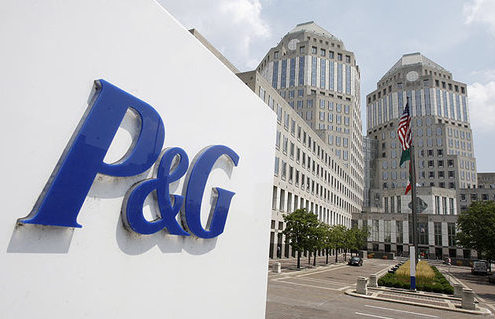
Photo by Maverick Martins
Business Case Study on Procter & Gamble: A Timeless Example of Vision, Trust, and Business Growth Strategy
In the world of business, few companies have demonstrated long-term success as consistently as Procter & Gamble (P&G). From humble beginnings to becoming one of the most recognized consumer goods companies in the world, P&G’s journey offers valuable lessons in leadership, innovation, branding success, and sustainable business growth strategy.
This business case study explores how Procter & Gamble overcame challenges, adapted to changing consumer demands, built iconic brands, and maintained its position as a market leader for nearly two centuries. Entrepreneurs, students, startups, and business leaders can learn practical insights from P&G’s success story and apply them to their own growth journeys.
At Pinehills Business Solutions, we believe that studying successful organizations helps businesses identify proven strategies and avoid costly mistakes. Let’s dive into the remarkable story of Procter & Gamble.
Company Background: The Beginning of a Global Giant
Procter & Gamble was founded in 1837 in Cincinnati, Ohio, USA, by William Procter, a candle maker, and James Gamble, a soap maker. Interestingly, the two founders became business partners after marrying sisters from the same family.
During the early years, the company focused on producing candles and soap products. While these products were essential household items, competition was intense, and resources were limited. The founders faced economic uncertainty, transportation challenges, and fluctuating raw material costs.
Despite these obstacles, Procter and Gamble shared a common vision: to provide high-quality products that improved everyday life. Their commitment to quality and customer satisfaction became the foundation of the company’s long-term success.
The company’s mission gradually evolved into serving consumers with superior products while continuously innovating to meet changing needs.
The Challenges: Problems That Threatened Growth
Like every successful company, P&G encountered several major business challenges throughout its journey.
Increasing Competition
As consumer markets expanded, numerous competitors entered the soap, detergent, personal care, and household product industries. Many companies attempted to attract customers through lower prices or aggressive marketing.
Branding Complexity
Managing dozens of product categories and brands created a significant challenge. Consumers needed clear reasons to choose P&G products over alternatives.
Market Expansion Difficulties
Expanding into international markets required understanding different cultures, consumer preferences, regulations, and purchasing behaviors.
Innovation Pressure
Consumer expectations constantly evolved. Products that were successful today could become outdated tomorrow. The company needed to continuously invest in research and development.
Organizational Management Challenges
As the company grew globally, managing thousands of employees, supply chains, manufacturing facilities, and brand portfolios became increasingly complex.
These challenges tested the company’s resilience and leadership capabilities.
The Turning Point: Strategic Decisions That Changed Everything
Rather than reacting passively to market pressures, P&G developed a comprehensive strategy focused on innovation, branding, and consumer understanding.
Consumer-Centric Business Strategy
One of P&G’s most important decisions was placing consumers at the center of every business decision. Instead of simply manufacturing products, the company focused on solving everyday problems faced by customers.
This approach helped P&G develop products that genuinely improved people’s lives and created long-term customer loyalty.
Powerful Marketing Strategy
P&G became a pioneer in modern advertising and brand management. The company invested heavily in understanding consumer behavior and creating emotionally compelling marketing campaigns.
Rather than selling products alone, P&G marketed solutions, lifestyles, and trust. This marketing strategy helped build deeper connections with customers.
Strong Branding Strategy
The company adopted a “house of brands” approach, creating individual identities for products such as Pampers, Tide, Gillette, Head & Shoulders, and Olay.
Each brand targeted specific customer needs while benefiting from the company’s overall reputation for quality. This branding success enabled P&G to dominate multiple market segments simultaneously.
Continuous Innovation
Research and development became a core strength of the organization. The company consistently introduced new products, improved existing offerings, and leveraged scientific research to maintain competitive advantages.
Innovation allowed P&G to stay relevant despite changing consumer preferences and technological advancements.
Leadership and Portfolio Optimization
P&G leadership regularly evaluated business performance and made difficult decisions when necessary. Under various leadership teams, the company streamlined operations, focused on high-performing brands, and improved efficiency.
This disciplined approach strengthened profitability and operational effectiveness.
Digital Transformation
As digital channels gained importance, P&G expanded its online presence, social media engagement, and data-driven marketing initiatives.
The company embraced digital marketing while maintaining strong traditional advertising efforts, creating a balanced and effective communication strategy.
Results: The Impact of Smart Business Decisions
The results of these strategic initiatives were extraordinary.
Revenue Growth
Over the years, Procter & Gamble evolved into a multi-billion-dollar global corporation generating significant annual revenues across numerous product categories.
Global Customer Base
Today, billions of consumers use P&G products worldwide. The company’s brands have become trusted household names across multiple continents.
Strong Brand Recognition
Many P&G brands enjoy market-leading positions within their categories. Consumers often associate these products with reliability, quality, and performance.
International Expansion
The company successfully expanded into numerous countries, establishing a strong presence in both developed and emerging markets.
Marketing Excellence
P&G’s advertising campaigns are frequently recognized as industry benchmarks, demonstrating the effectiveness of customer-focused communication strategies.
Sustainable Market Leadership
Despite intense competition and changing market conditions, P&G continues to maintain a strong competitive position through innovation and strategic management.
Pinehills Business Solutions Analysis: Key Lessons for Businesses
From a business consulting India perspective, the Procter & Gamble story provides several valuable lessons.
Put Customers First
Businesses should focus on understanding customer problems before creating products or services. Consumer insights often reveal opportunities that competitors overlook.
Invest in Brand Building
A strong brand creates trust, loyalty, and differentiation. Many businesses focus only on sales while neglecting long-term brand development.
Never Stop Innovating
Markets constantly evolve. Companies that fail to innovate eventually lose relevance. Continuous improvement should become part of organizational culture.
Use Data to Make Decisions
Successful businesses rely on research, consumer feedback, and performance metrics rather than assumptions.
Stay Focused
Trying to serve everyone can weaken a business. Focused strategies often produce better results than spreading resources too thin.
Advice for Startups and Indian Entrepreneurs
For startups, schools, and small businesses, P&G demonstrates that sustainable success comes from consistency, patience, and customer trust. Rapid growth is exciting, but long-term success requires strong systems, clear branding, and continuous learning.
The Human Side of Success
Behind every global corporation are stories of determination, risk-taking, and perseverance.
William Procter and James Gamble did not build a global empire overnight. They faced uncertainty, competition, and difficult decisions. Their success resulted from years of hard work, commitment to quality, and a willingness to adapt.
The P&G story reminds us that business success is not simply about profits. It is about creating value, earning trust, solving problems, and continuously improving. These human qualities remain relevant whether a company has ten employees or one hundred thousand.
Conclusion
The Procter & Gamble case study is a powerful example of how innovation, branding success, customer focus, and strategic leadership can transform a small business into a global powerhouse.
Its journey teaches that sustainable business growth strategy is built on understanding customers, investing in brands, embracing innovation, and making disciplined business decisions. These principles remain relevant for businesses of every size and industry.
At Pinehills Business Solutions, we help businesses apply these proven strategies to achieve sustainable growth, stronger branding, and better market positioning. Whether you need business consulting, marketing strategy development, branding solutions, school project assistance, event management support, or business growth planning, our team is here to help.
Contact Pinehills Business Solutions today and take the next step toward building a stronger, smarter, and more successful business.