
Sole Proprietorship vs LLP vs Private Limited: Which Business Structure Is Best for Your Business?
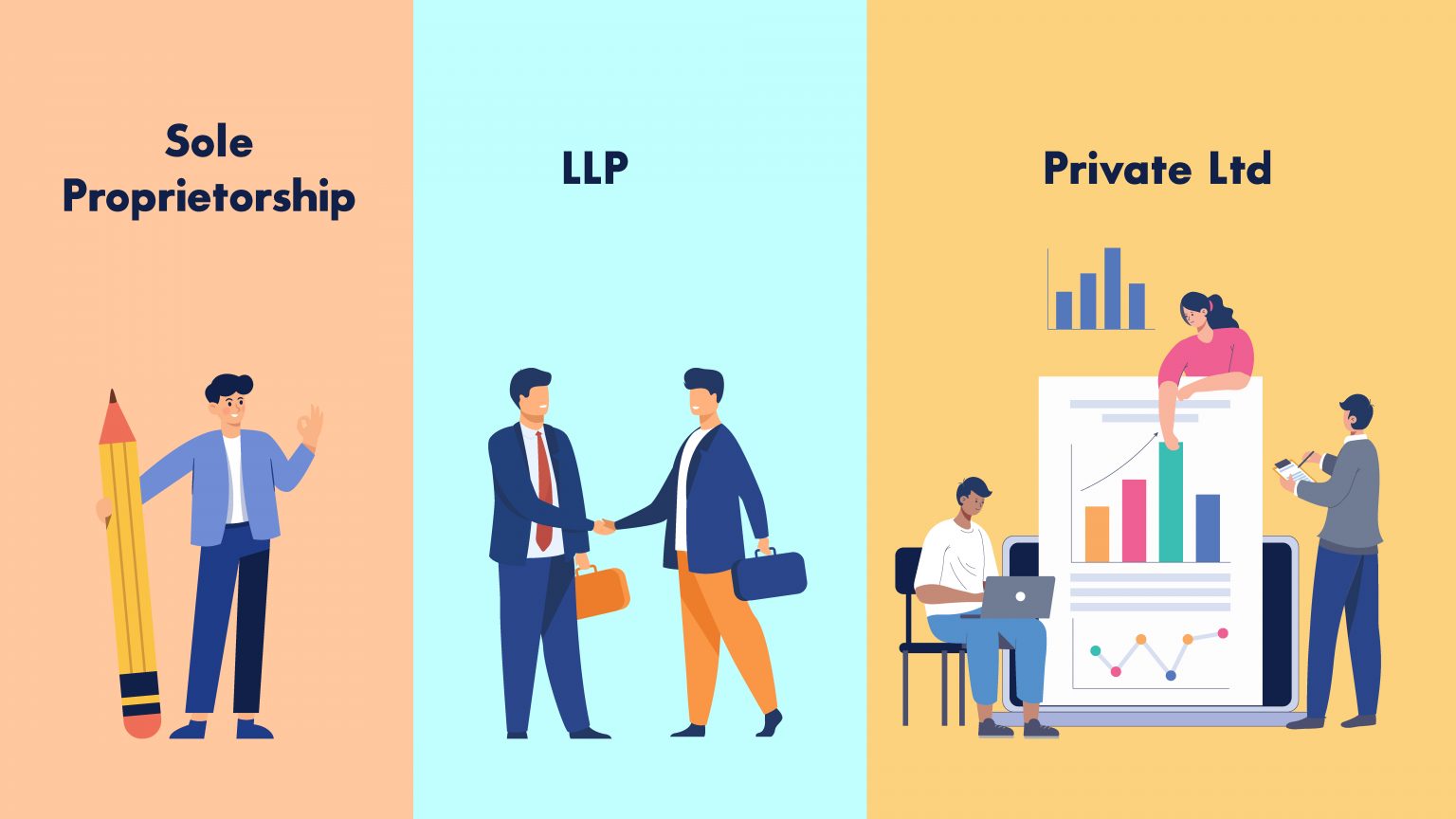
Photo by Heena Siddique
Sole Proprietorship vs LLP vs Private Limited: Which Business Structure Is Best for Your Business?
Choosing the right business structure is one of the most important decisions an entrepreneur makes. It affects everything from legal liability and taxation to funding opportunities, business credibility, and future growth. Whether you’re starting a freelance business, launching a startup, opening a retail store, or building a technology company, selecting the right legal structure can save time, reduce risks, and support long-term success.
In India, the three most common business structures are Sole Proprietorship, Limited Liability Partnership (LLP), and Private Limited Company. Each has unique advantages and limitations depending on your business goals, investment plans, compliance capacity, and expansion strategy.
This guide compares these business structures in simple terms, helping you make an informed decision that aligns with your entrepreneurial journey.
Understanding Business Structures
A business structure defines how a business is legally organized, managed, taxed, and owned. The right choice depends on factors such as:
- Business size
- Number of owners
- Investment requirements
- Risk exposure
- Compliance obligations
- Long-term growth plans
Let’s examine each structure individually.
Sole Proprietorship
What Is a Sole Proprietorship?
A Sole Proprietorship is the simplest and most common business structure where one individual owns and manages the entire business. Legally, the owner and the business are considered the same entity.
Suitable For
- Freelancers
- Consultants
- Local shops
- Small traders
- Home-based businesses
- Individual professionals
Advantages
- Easy and inexpensive to start
- Minimal legal formalities
- Complete control over decisions
- Lower compliance requirements
- Simple tax filing
Limitations
- Unlimited personal liability
- Difficult to raise investment
- Limited business credibility
- Business continuity depends on the owner
Practical Example
A neighborhood grocery store, freelance graphic designer, or local tuition center often operates as a sole proprietorship because operations remain relatively simple.
Limited Liability Partnership (LLP)
What Is an LLP?
An LLP combines the flexibility of a partnership with the protection of limited liability. Introduced to support professional firms and growing businesses, it allows partners to share management responsibilities while protecting personal assets.
Suitable For
- Professional firms
- Marketing agencies
- IT companies
- Consulting firms
- Family businesses
- Service-based startups
Advantages
- Limited liability for partners
- Separate legal identity
- Lower compliance than Private Limited Companies
- Flexible management
- Better business credibility
Limitations
- Limited fundraising opportunities
- Cannot issue equity shares
- Some investors prefer Private Limited Companies
Practical Example
Many accounting firms, law firms, architecture firms, and digital marketing agencies choose LLP because it balances operational flexibility with legal protection.
Private Limited Company
What Is a Private Limited Company?
A Private Limited Company is a separate legal entity owned by shareholders and managed by directors. It offers the highest level of credibility among the three structures and is widely preferred by startups aiming for rapid growth.
Suitable For
- Technology startups
- Manufacturing businesses
- E-commerce companies
- Businesses seeking investors
- High-growth ventures
Advantages
- Limited liability protection
- Separate legal identity
- Easier to attract investors
- Better brand credibility
- Perpetual succession
- Ownership transfer is easier
Limitations
- Higher registration costs
- More regulatory compliance
- Annual filing requirements
- Greater administrative responsibilities
Practical Example
Many successful Indian startups began as Private Limited Companies because venture capital firms and angel investors generally prefer this structure.
Sole Proprietorship vs LLP vs Private Limited
| Feature | Sole Proprietorship | LLP | Private Limited |
|---|---|---|---|
| Owners | One | Two or more partners | Two or more shareholders |
| Legal Identity | No | Yes | Yes |
| Liability | Unlimited | Limited | Limited |
| Registration | Easy | Moderate | Moderate to High |
| Compliance | Low | Medium | High |
| Fundraising | Difficult | Moderate | Excellent |
| Business Credibility | Moderate | Good | Excellent |
| Suitable for Investors | No | Limited | Yes |
| Business Continuity | Depends on owner | Continues | Continues |
How to Choose the Right Business Structure
Selecting the right structure depends on your long-term business objectives.
Choose Sole Proprietorship if:
- You’re testing a business idea.
- Investment requirements are small.
- You want minimal paperwork.
- You’re operating independently.
Choose LLP if:
- You have trusted business partners.
- You want liability protection.
- You’re running a professional service business.
- You prefer moderate compliance.
Choose Private Limited if:
- You plan to raise funding.
- You want rapid business expansion.
- Building a strong brand is important.
- You expect significant future growth.
Step-by-Step Decision Guide
- Define your business goals.
- Estimate future investment needs.
- Assess financial and legal risks.
- Decide how many owners the business will have.
- Consider annual compliance costs.
- Think about future expansion plans.
- Consult a professional business advisor before registration.
Practical Business Examples
Example 1: Freelance Designer
A freelance graphic designer working independently usually benefits from a Sole Proprietorship because registration and compliance remain simple.
Example 2: Digital Marketing Agency
Two partners launching a marketing agency may choose an LLP to enjoy liability protection while maintaining operational flexibility.
Example 3: Technology Startup
A software startup planning to attract angel investors is generally better suited to a Private Limited Company because investors often prefer equity-based ownership structures.
Best Practices
- Choose a structure based on future growth, not just current needs.
- Maintain accurate financial records from day one.
- Separate personal and business finances.
- Understand tax and compliance obligations.
- Register intellectual property where applicable.
- Review your business structure as your company grows.
- Seek legal and financial advice before making major decisions.
Common Mistakes to Avoid
- Selecting the cheapest option without considering long-term goals.
- Ignoring compliance responsibilities.
- Mixing personal and business expenses.
- Choosing a Sole Proprietorship despite significant legal risks.
- Delaying registration while business operations expand.
- Not planning for future investment requirements.
Frequently Asked Questions (FAQs)
1. Which business structure is best for beginners?
A Sole Proprietorship is often suitable for individuals starting small businesses with limited investment and low risk.
2. Is an LLP better than a Sole Proprietorship?
If liability protection and business credibility are important, an LLP is generally a better option.
3. Why do startups prefer Private Limited Companies?
Private Limited Companies can issue equity shares, making it easier to attract investors and scale operations.
4. Can I convert a Sole Proprietorship into an LLP or Private Limited Company?
Yes. As your business grows, you can convert your business into another legal structure, subject to applicable legal procedures.
5. Which structure has the highest compliance requirements?
Among the three, a Private Limited Company typically has the highest compliance obligations due to statutory filings and governance requirements.
Conclusion
Choosing between a Sole Proprietorship, LLP, and Private Limited Company is more than a legal decision—it is a strategic business choice that influences growth, taxation, funding opportunities, and risk management.
A Sole Proprietorship works well for individuals starting small. An LLP offers an excellent balance between flexibility and legal protection for partnership-based businesses. A Private Limited Company is the preferred option for ambitious startups and businesses planning to scale, attract investors, and build long-term credibility.
Before making your decision, evaluate your business goals, financial capacity, and future expansion plans. Selecting the right foundation today can prevent costly restructuring tomorrow.
Call-to-Action
Planning to register your business or unsure which business structure is right for you?
Pinehills Business Solutions helps entrepreneurs, startups, and growing businesses make informed decisions through expert business consulting, company registration guidance, branding, digital marketing, AI-driven solutions, and business growth strategies. Connect with our team to build a strong foundation for your business and achieve sustainable success.