
Business Case Study on Varun Beverages: A Timeless Example of Vision, Trust, and Business Growth Strategy
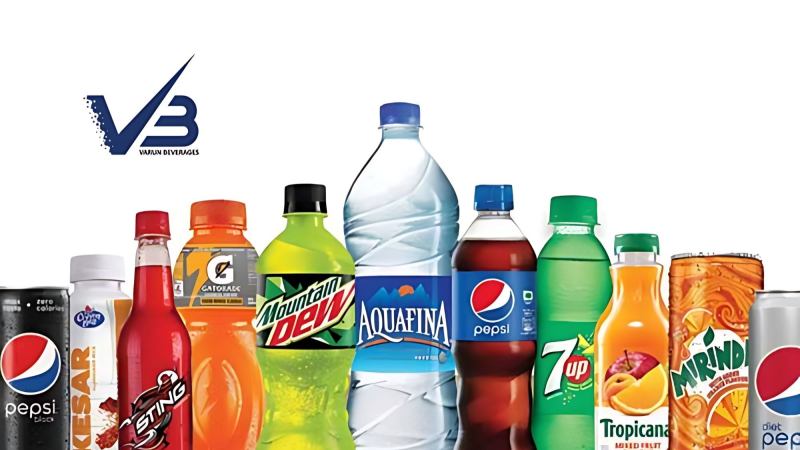
Photo by Aditya Pran Mahanta
Business Case Study on Varun Beverages: A Timeless Example of Vision, Trust, and Business Growth Strategy
Every successful business has a story of challenges, bold decisions, and relentless determination. The journey of Varun Beverages Limited (VBL) is a perfect example of how a company can transform itself into one of the largest beverage manufacturers in the world through a powerful business growth strategy, strong leadership, and customer-focused innovation. This business case study is valuable for entrepreneurs, students, business owners, and marketing professionals who want to understand how consistent execution can create long-term success.
In this case study, we explore how Varun Beverages overcame intense market competition, expanded across multiple countries, strengthened its branding success, and became a trusted partner of PepsiCo. At Pinehills Business Solutions, we believe every growing business can learn practical lessons from VBL’s journey, whether it is a startup, a school project, or an established company looking for sustainable growth.
Company Background: The Beginning of Varun Beverages
Varun Beverages Limited is one of the largest franchise bottlers of PepsiCo beverages outside the United States. The company is part of the RJ Corp Group, founded by Indian entrepreneur Ravi Jaipuria, who is widely recognized for his ability to identify high-growth business opportunities and build scalable enterprises.
The journey began in the 1990s when the company started bottling and distributing PepsiCo products in selected regions of India. Over time, it expanded its operations by acquiring new territories and investing in modern manufacturing facilities. While the beverage market already had strong competitors and changing consumer preferences, Varun Beverages focused on operational excellence and long-term partnerships instead of chasing quick profits.
From the beginning, the company’s vision was to become the most efficient and trusted beverage partner while delivering high-quality products to consumers across urban and rural markets. Its mission centered on continuous innovation, customer satisfaction, sustainability, and responsible business practices.
The Challenges: Competing in a Fast-Changing Beverage Market
Although the company had the backing of PepsiCo’s globally recognized brands, success was far from guaranteed. The Indian beverage industry was highly competitive, with established players, regional brands, seasonal demand, and price-sensitive consumers.
One of the biggest marketing challenges was maintaining product visibility across millions of retail outlets. Simply producing beverages was not enough; the company needed an extensive distribution network to ensure products reached customers quickly, even in remote locations.
Another major hurdle was branding. While PepsiCo products enjoyed global recognition, local consumer preferences varied significantly across different states and regions. The company had to ensure that marketing campaigns remained relevant while maintaining consistent brand identity.
Financially, continuous expansion required significant investments in manufacturing plants, logistics, warehouses, refrigeration equipment, and transportation. Managing these investments without affecting profitability demanded disciplined financial planning.
Competition also intensified as health-conscious consumers began shifting toward juices, packaged water, and low-sugar beverages. The company had to adapt its product portfolio to changing consumer demands without losing its market position.
Finally, managing thousands of employees, large production facilities, and international operations required strong leadership, efficient supply chain management, and data-driven decision-making.