
Business Case Study on Union Bank Of India: A Timeless Example of Vision, Trust, and Business Growth Strategy
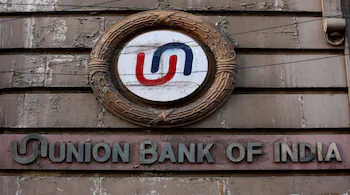
Photo by PTI
Business Case Study on Union Bank Of India: A Timeless Example of Vision, Trust, and Business Growth Strategy
Every successful organization has a story of resilience, transformation, and continuous improvement. A well-crafted business case study not only highlights achievements but also uncovers the strategies behind long-term success. In India’s highly competitive banking sector, where customer expectations, technology, and regulations evolve rapidly, only institutions that embrace change continue to thrive.
This case study explores the remarkable journey of Union Bank of India, one of India’s leading public sector banks. From its humble beginnings during the pre-independence era to becoming one of the country’s largest banking institutions, Union Bank has consistently adapted to changing market conditions. Readers will discover the bank’s founding story, major business challenges, strategic decisions, branding evolution, digital transformation, and valuable lessons that businesses of every size can apply to their own growth journey.
The Background: A Vision Born Before Independence
Union Bank of India was established in 1919 in Mumbai (then Bombay) by a group of visionary Indian industrialists and entrepreneurs who believed that India needed strong indigenous financial institutions capable of supporting economic development. Among the early supporters was Mahatma Gandhi, who attended the bank’s inaugural ceremony, symbolizing confidence in India’s financial future.
The founders envisioned a bank that would provide accessible banking services while contributing to the country’s economic growth. Their mission focused on trust, customer service, financial inclusion, and responsible banking.
However, the journey was far from easy. The bank faced significant challenges in its early years, including limited banking infrastructure, low financial literacy, economic uncertainty under colonial rule, and intense competition from established financial institutions. Building customer confidence required patience, ethical leadership, and consistent service quality.
Despite these obstacles, Union Bank remained committed to its vision of becoming a reliable banking partner for individuals, businesses, and communities across India.
The Challenges: Adapting to a Rapidly Changing Banking Industry
As India’s economy modernized, Union Bank encountered several complex challenges that tested its ability to remain competitive.
Marketing Challenges
Private sector banks entered the market with aggressive advertising campaigns, attractive financial products, and modern customer experiences. Compared to these competitors, public sector banks often appeared traditional and less dynamic. Union Bank needed a stronger marketing strategy to remain relevant among younger customers.
Branding Challenges
Although Union Bank had built decades of trust, its brand image required modernization. Customers increasingly expected digital convenience alongside reliability. Refreshing the bank’s identity without losing its legacy became a delicate balancing act.
Financial and Operational Challenges
Like many public sector banks, Union Bank faced pressure from rising non-performing assets (NPAs), changing regulatory requirements, and the need to improve operational efficiency. Managing financial risks while maintaining customer confidence became a critical priority.
Competition and Growth
The banking landscape changed dramatically with the arrival of digital-first banks, fintech startups, mobile payment platforms, and private financial institutions. Customers demanded instant banking services, paperless transactions, and personalized experiences.
Management Challenges
One of the most significant milestones came in 2020 when Union Bank successfully integrated Andhra Bank and Corporation Bank following the Government of India’s banking consolidation initiative. Merging different systems, work cultures, employees, and customer bases required exceptional leadership and careful planning.
The Turning Point: Transformation Through Strategy and Innovation
Rather than resisting change, Union Bank embraced transformation across multiple dimensions.
Digital Banking Strategy
The bank invested heavily in digital infrastructure by enhancing mobile banking, internet banking, digital payment services, UPI integration, and online account opening processes. Customers could now complete many banking activities without visiting a branch.
Customer-Centric Marketing Strategy
Union Bank shifted its focus from simply offering financial products to delivering customer-centric solutions. Marketing campaigns emphasized convenience, trust, security, and financial empowerment. The bank also expanded its presence across digital platforms to engage younger audiences.
Branding Strategy
Instead of abandoning its legacy, Union Bank modernized its brand while preserving its reputation for trust. The post-merger identity reflected stability, innovation, and nationwide reach. This balance helped strengthen customer confidence during a period of significant organizational change.
Leadership and Organizational Integration
The successful merger required decisive leadership, transparent communication, employee engagement, and systematic operational integration. Rather than viewing the merger as merely an administrative exercise, management treated it as an opportunity to create a stronger institution with greater capabilities.
Innovation and Service Improvement
Union Bank introduced improved digital services, enhanced cybersecurity measures, faster customer support, simplified loan processing, and expanded financial inclusion initiatives. These innovations improved customer satisfaction while increasing operational efficiency.
The Results: Building Long-Term Business Success
The transformation delivered meaningful outcomes across multiple business areas.
The merger significantly expanded Union Bank’s nationwide presence, making it one of India’s largest public sector banks with thousands of branches and millions of customers. Its stronger balance sheet and wider geographic reach enhanced market competitiveness.
Digital banking adoption increased substantially as customers embraced online services, mobile transactions, and digital payment solutions. This shift improved operational efficiency while meeting evolving customer expectations.
Brand recognition also strengthened. Union Bank successfully positioned itself as a trusted institution capable of combining traditional banking values with modern digital innovation. This balanced identity helped maintain customer loyalty while attracting new users.
Operational integration after the merger enabled better resource utilization, broader product offerings, and improved service delivery. The bank also continued supporting financial inclusion by extending banking services to rural and underserved communities.
Overall, Union Bank demonstrated that strategic transformation, effective leadership, and customer-focused innovation can drive sustainable growth even within a highly regulated and competitive industry.
Pinehills Business Solutions Perspective: Lessons Every Business Can Learn
At Pinehills Business Solutions, we believe every successful business story offers practical lessons for entrepreneurs, educational institutions, startups, and established organizations.
1. Never Stop Evolving
Markets constantly change. Businesses that continuously improve their products, services, and customer experience remain competitive. A strong business growth strategy requires adaptability.
2. Protect Your Brand While Modernizing
Union Bank proved that modernization does not mean abandoning tradition. Businesses should preserve their core values while updating branding, communication, and customer engagement.
3. Digital Transformation Is No Longer Optional
Customers expect convenience. Whether you operate a school, retail store, consultancy, or manufacturing business, digital tools improve efficiency and customer satisfaction.
4. Leadership Matters During Change
Growth often brings uncertainty. Transparent leadership, employee involvement, and effective communication are essential during expansion, mergers, or organizational restructuring.
5. Customer Trust Is the Greatest Asset
Marketing attracts customers, but trust keeps them. Long-term branding success depends on delivering consistent quality rather than relying solely on advertising.
For Indian entrepreneurs, startups, and educational institutions, these lessons highlight the importance of strategic planning, innovation, customer relationships, and professional business consulting India services when navigating business challenges.
The Human Side of Success
Behind every successful institution are people who embrace challenges instead of fearing them.
Union Bank’s journey reflects decades of determination, thoughtful leadership, employee dedication, and a willingness to adapt. Every transformation involved difficult decisions, operational complexities, and calculated risks. Yet the organization remained committed to serving customers while strengthening its future.
This reminds us that sustainable business success rarely happens overnight. It is built through consistent effort, resilience during setbacks, and the courage to evolve with changing times.
Conclusion
The story of Union Bank of India demonstrates that long-term success is not defined by avoiding challenges but by responding to them strategically. Through digital innovation, stronger leadership, customer-focused services, and thoughtful branding, the bank transformed itself into a modern financial institution while preserving the trust it had earned over generations.
For organizations seeking their own transformation, this business case study offers valuable insights into marketing strategy, business growth strategy, leadership, innovation, and sustainable branding success.
If your organization is ready to grow, strengthen its brand, improve marketing performance, or develop effective business strategies, Pinehills Business Solutions is here to help. Our experienced team provides expert support in business consulting, branding, digital marketing, school and college projects, event management, and customized growth strategies designed to help businesses succeed in today’s competitive marketplace. Partner with Pinehills Business Solutions and take the next confident step toward lasting business success.