
Unicorn Startups Explained: What Makes a Billion-Dollar Company?
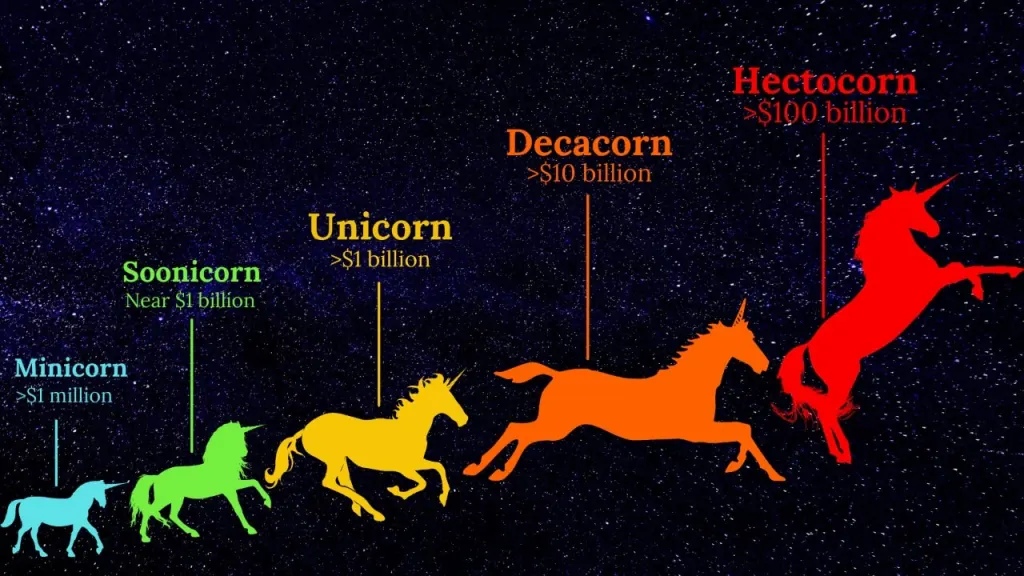
Photo by Mokter Hossain
Unicorn Startups Explained: What Makes a Billion-Dollar Company?
The term “unicorn” once evoked mythical creatures that only existed in fairy tales. Today, in the fast-paced ecosystem of global entrepreneurship, it represents something equally rare: privately held startup companies valued at over 1 billion dollars.
For startup founders, aspiring entrepreneurs, and business executives, understanding the mechanics behind these billion-dollar enterprises is crucial. They are not merely lucky businesses; they are organizations that disrupt traditional industries, solve complex consumer or enterprise problems at scale, and leverage emerging technologies like artificial intelligence to achieve hyper-growth.
Whether you are scaling a venture in India’s booming digital economy or building an enterprise on the global stage, understanding how unicorns are built, funded, and sustained provides a powerful blueprint for modern business success.
What Is a Unicorn Startup?
Coined in 2013 by venture capitalist Aileen Lee, the term “unicorn” was originally used to describe the statistical rarity of a startup reaching a 1 billion dollar valuation without being publicly traded on a stock exchange.
While reaching this valuation milestone was once extraordinary, global venture capital influx, rapid technological advancements, and widespread digital adoption have increased their numbers significantly across sectors like fintech, software-as-a-service (SaaS), e-commerce, and logistics.
Key Characteristics of Unicorn Startups
-
Massive Market Opportunity: They operate in large, expanding markets that allow for rapid scaling.
-
Disruptive Innovation: They introduce unique business models, proprietary technology, or superior customer experiences that displace legacy players.
-
Venture Capital Backing: They rely heavily on institutional funding rounds (Series A, B, C, and beyond) to fuel aggressive customer acquisition and market expansion.
-
High Growth Velocity: They achieve exponential revenue and user growth year-over-year.
How Startups Achieve Unicorn Status
Reaching a 1 billion dollar valuation requires a strategic blend of product-market fit, aggressive scaling, and financial engineering. Here is how successful companies navigate this journey:
1. Achieving True Product-Market Fit
Before chasing scale, a potential unicorn solves a painful, urgent problem for a broad audience. The product must offer undeniable value, resulting in high customer retention and organic word-of-mouth growth.
2. Securing Strategic Venture Capital
Building a capital-intensive platform requires robust financial backing. Founders pitch venture capital firms and institutional investors, trading equity for capital to fund rapid expansion, talent acquisition, and market penetration.
3. Scaling the Business Model
Once product-market fit is established, the focus shifts to unit economics and scalability. Successful startups expand their geographic footprint, launch complementary products, and optimize operational efficiency to drive sustainable profitability.
Real-Life Examples: From Local Vision to Global Unicorns
Examining real-world success stories highlights the diverse paths companies take to reach the billion-dollar milestone.
-
Fintech Innovation: Companies like Stripe revolutionized online payment processing by offering developer-friendly APIs, turning a complex administrative hurdle into a seamless digital experience.
-
Indian Ecosystem Growth: India has emerged as one of the world’s leading startup hubs, producing numerous unicorns across sectors like logistics, edtech, and quick commerce. Enterprises such as Zerodha, Zoho, and various digital-first brands demonstrate that capital efficiency and robust domestic consumption can fuel massive enterprise value.
Best Practices for Scaling Toward High Valuation
If your business objective is to accelerate growth and attract institutional investment, incorporate these industry best practices:
-
Focus on Unit Economics: Ensure your customer acquisition cost (CAC) is balanced by strong lifetime value (LTV). Investors prioritize sustainable margins over unprofitable growth.
-
Build a Defensible Moat: Protect your business through proprietary technology, strong branding, intellectual property, or network effects that competitors cannot easily replicate.
-
Assemble a World-Class Team: Scale requires exceptional leadership. Hire experienced professionals who align with your core vision and execution standards.
-
Leverage Digital Transformation: Integrate automation, data analytics, and modern AI tools early to streamline operations and enhance decision-making.
Common Mistakes to Avoid
Many promising startups stall before reaching their full potential due to avoidable strategic missteps:
-
Premature Scaling: Spending heavily on marketing and expansion before achieving sustainable product-market fit.
-
Neglecting Cash Flow Management: Burning through venture capital without a clear path to sustainable revenue generation or profitability.
-
Ignoring Regulatory Compliance: Overlooking local and international regulatory frameworks, which can lead to costly legal hurdles down the line.
-
Failing to Adapt: Clinging to an initial product or service model even when market feedback indicates a necessary pivot.
Frequently Asked Questions (FAQs)
1. What is the difference between a unicorn, decacorn, and hectocorn?
A unicorn is valued at 1 billion dollars or more. A decacorn is a startup valued at over 10 billion dollars (such as Epic Games or Canva in past valuations), while a hectocorn is an enterprise valued at 100 billion dollars or more (such as ByteDance).
2. Do all startups aspire to become unicorns?
No. Many successful businesses focus on bootstrapping, steady growth, and sustainable profitability rather than pursuing high-risk venture capital funding and billion-dollar valuations.
3. How do investors calculate a startup’s valuation?
Valuations are determined through various methods, including discounted cash flow (DCF) analysis, comparable company analysis, and negotiation during funding rounds based on growth rate, market size, and revenue projections.
4. Can non-tech companies become unicorns?
Yes. While technology and digital platforms dominate the unicorn landscape, companies in biotechnology, clean energy, manufacturing, and consumer goods also achieve billion-dollar valuations.
5. What role does artificial intelligence play in modern unicorns?
AI is a primary growth driver for contemporary startups. Companies integrating AI into their core operations or product offerings are scaling faster by automating workflows and delivering hyper-personalized customer experiences.
Conclusion
Unicorn startups represent the pinnacle of modern entrepreneurship, combining visionary problem-solving with strategic execution and financial backing. While achieving a 1 billion dollar valuation demands resilience, market foresight, and operational excellence, the underlying principles of customer-centricity and scalability apply to businesses of all sizes. By focusing on sustainable unit economics and continuous innovation, modern entrepreneurs can build enduring, high-value enterprises.
Connect with Pinehills Business Solutions
Ready to accelerate your business growth, streamline your operations, or build a winning market strategy? Pinehills Business Solutions offers expert consulting across business growth, professional branding, digital transformation, marketing, and cutting-edge AI solutions.
Contact Pinehills Business Solutions today to speak with our senior consultants and take your venture to the next level.