
Business Case Study on Maruti Suzuki: A Timeless Example of Vision, Trust, and Business Growth Strategy
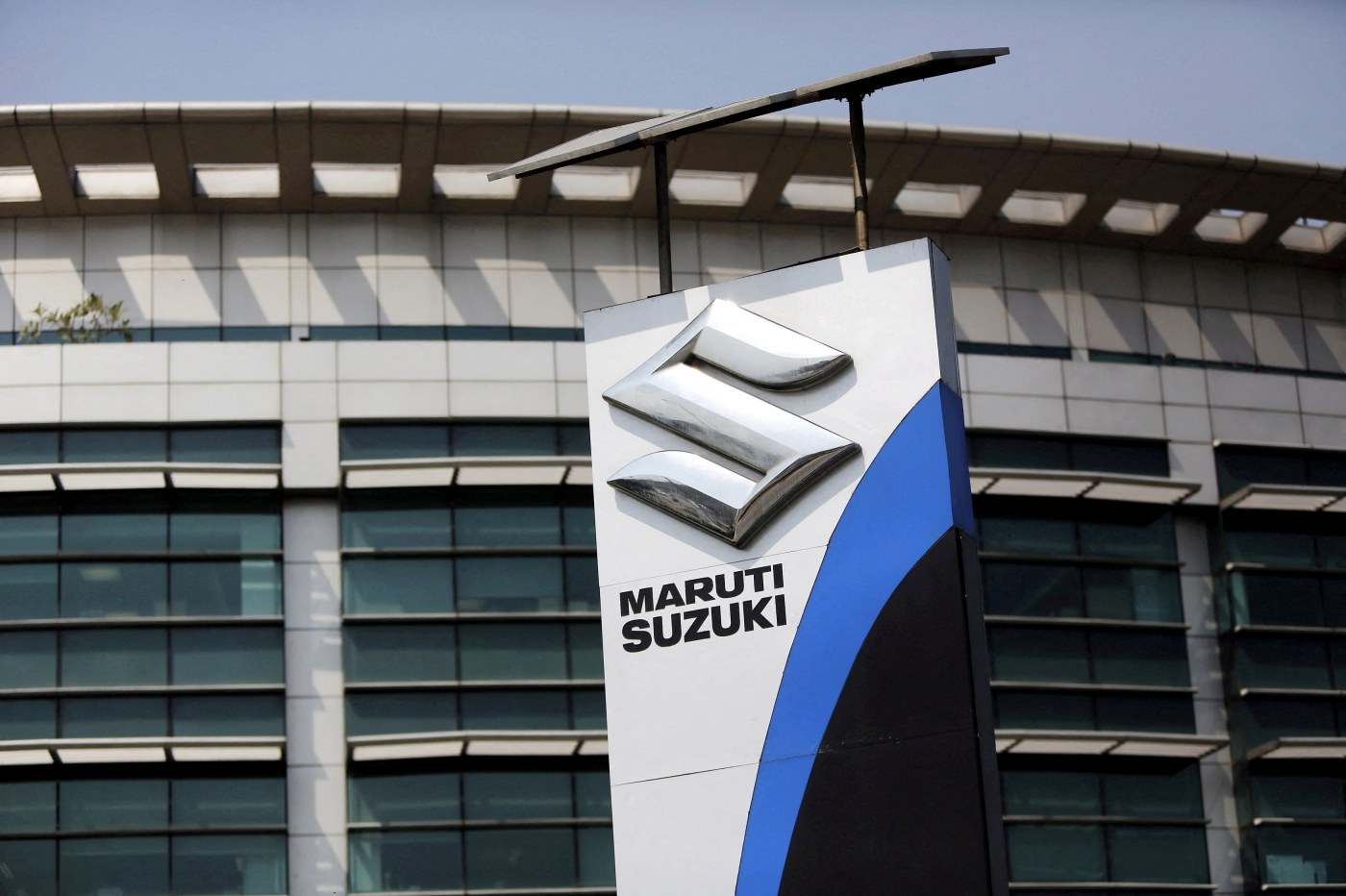
Photo by Ronnie Harui
Business Case Study on Maruti Suzuki: A Timeless Example of Vision, Trust, and Business Growth Strategy
In the history of the Indian automobile industry, few companies have created an impact as powerful as Maruti Suzuki. From transforming the dream of owning a car into reality for middle-class Indian families to becoming a symbol of trust, affordability, and innovation, Maruti Suzuki’s journey is one of the most inspiring examples of business growth strategy and branding success in India.
This business case study is important because it teaches entrepreneurs, startups, students, and business leaders how strategic vision, customer understanding, and consistent innovation can build a market-leading brand. In this case study, readers will learn how Maruti Suzuki overcame competition, managed business challenges, strengthened its marketing strategy, and became India’s largest passenger car manufacturer.
At Pinehills Business Solutions, we believe every successful business carries lessons that can inspire future entrepreneurs and organizations. Maruti Suzuki’s story is one such powerful lesson.
—
The Beginning of Maruti Suzuki: A Vision for India
The story of Maruti Suzuki began in 1981 when the Government of India established Maruti Udyog Limited with the vision of manufacturing affordable cars for Indian citizens. During that period, owning a car was considered a luxury. Most vehicles available in India were expensive and lacked modern technology.
The turning point came in 1982 when Suzuki Motor Corporation of Japan partnered with Maruti. This collaboration brought advanced Japanese automobile technology to India. The company launched the iconic Maruti 800 in 1983, and it quickly became the dream car of millions of Indian families.
Maruti Suzuki started with a simple but powerful mission:
Provide affordable and reliable cars for Indian consumers
Improve mobility for middle-class families
Build trust through quality and service
However, the journey was not easy.
—
Early Challenges and Business Struggles
Like every successful company, Maruti Suzuki faced major obstacles during its initial years.
1. Limited Automobile Market in India
In the 1980s, India’s automobile market was underdeveloped. Consumers had fewer purchasing options, low awareness, and limited financing opportunities. Convincing middle-class families to invest in cars was challenging.
2. Infrastructure Problems
Road conditions, fuel efficiency concerns, and lack of widespread service centers created operational difficulties. Maruti Suzuki had to build not just cars but also customer confidence.
3. Competition and Market Pressure
As India’s economy opened in the 1990s, global automobile brands entered the market. Companies like Hyundai Motor India, Tata Motors, and Honda Cars India intensified competition.
Maruti Suzuki faced pressure to innovate continuously while maintaining affordable pricing.
4. Branding and Perception Challenges
Initially, the company was perceived as a low-cost car manufacturer. Building a premium and aspirational image while retaining affordability became a major branding challenge.
—
The Turning Point: Strategy That Changed Everything
Maruti Suzuki’s success did not happen by luck. It was built through calculated leadership decisions, strong customer understanding, and one of the smartest marketing strategies in Indian business history.
Customer-Centric Business Growth Strategy
The company deeply understood Indian consumers. Instead of blindly copying international models, Maruti Suzuki designed vehicles specifically for Indian roads, fuel conditions, and family needs.
Their focus included:
Fuel efficiency
Affordable maintenance
Reliable performance
Strong resale value
This customer-first approach became the foundation of their business growth strategy.
Massive Service Network Expansion
One of the smartest decisions Maruti Suzuki made was building a strong service and dealership network across India, including small towns and rural areas.
Customers trusted the brand because service centers were easily accessible. This solved one of the biggest pain points in the automobile industry.
Today, this network remains one of Maruti Suzuki’s greatest competitive advantages.
Smart Marketing Strategy
Maruti Suzuki mastered emotional marketing. Their advertisements connected with Indian families, aspirations, and everyday life.
Instead of focusing only on technical features, the brand promoted emotions like:
Family bonding
Trust
Affordability
Dreams of middle-class success
This emotional branding success helped Maruti Suzuki become a household name.
Product Innovation and Diversification
The company continuously adapted to changing customer preferences by launching vehicles across multiple segments:
Hatchbacks
Sedans
SUVs
Premium cars
Brands like Alto, Swift, WagonR, Baleno, Brezza, and Dzire became highly successful in their respective categories.
Maruti Suzuki also introduced Nexa showrooms to create a premium customer experience and improve brand positioning.
—
Leadership, Risk-Taking, and Long-Term Vision
A major reason behind Maruti Suzuki’s success was its ability to balance innovation with stability.
The leadership understood that customer trust takes years to build and seconds to lose. Therefore, the company maintained:
Consistent product quality
Strong after-sales support
Affordable pricing strategy
Continuous technological upgrades
The company also invested heavily in manufacturing efficiency and local production. This reduced dependency on imports and helped maintain competitive pricing.
Their willingness to evolve with changing market trends, including hybrid and eco-friendly technologies, shows long-term business vision.
—
Results and Market Impact
The results of Maruti Suzuki’s strategies were extraordinary.
Revenue and Market Leadership
Maruti Suzuki became India’s largest passenger vehicle manufacturer with a dominant market share for decades. Millions of vehicles sold across India established the company as an industry leader.
Strong Brand Recognition
The company achieved unmatched brand loyalty. For many Indian families, Maruti Suzuki became synonymous with reliability and affordability.
Nationwide Expansion
From metropolitan cities to small towns, Maruti Suzuki expanded aggressively through dealerships and service centers.
Customer Growth and Trust
The company built a loyal customer base across generations. Many families who purchased the Maruti 800 later upgraded to newer Maruti models, creating lifelong customer relationships.
Digital and Modern Branding Success
In recent years, Maruti Suzuki successfully adapted to digital marketing trends by strengthening online campaigns, social media engagement, and digital customer experiences.
—
What Businesses Can Learn from Maruti Suzuki
At Pinehills Business Solutions, we believe this business case study offers valuable lessons for startups, schools, entrepreneurs, and growing businesses across India.
1. Understand Your Customers Deeply
Maruti Suzuki succeeded because it solved real problems for Indian consumers. Businesses must focus on customer needs rather than copying competitors.
2. Build Trust Before Profit
Long-term success comes from reliability and customer satisfaction. Trust is one of the strongest assets in branding success.
3. Strong Service Matters
Excellent products alone are not enough. Customer support and service networks create long-lasting relationships.
4. Innovation Should Be Continuous
Markets change rapidly. Businesses must evolve continuously through innovation, technology, and better customer experiences.
5. Avoid Common Startup Mistakes
Many startups fail because they:
Ignore customer feedback
Expand too quickly
Lack financial planning
Focus only on sales without branding
Maruti Suzuki’s journey proves that sustainable growth requires patience, strategy, and discipline.
—
The Human Side of Success
Behind Maruti Suzuki’s massive success lies years of hard work, risk-taking, and persistence. The company entered an uncertain market, faced intense competition, and constantly adapted to changing customer expectations.
Its journey reminds us that great businesses are not built overnight. They are built through vision, consistency, and the courage to evolve.
For Indian entrepreneurs, this story is deeply inspiring because it shows how understanding local needs can create global-level success.
—
Conclusion
The success story of Maruti Suzuki is more than an automobile business case study. It is a lesson in customer trust, innovation, leadership, and smart business growth strategy.
From launching affordable cars for middle-class families to becoming one of India’s most respected brands, Maruti Suzuki has demonstrated the true power of strategic planning and emotional branding.
At Pinehills Business Solutions, we help businesses, startups, schools, and entrepreneurs apply these same principles to achieve sustainable growth and branding success. Whether you need business consulting India services, marketing strategy support, event management, school project assistance, or business tips for startups, our team is ready to guide your journey toward success.
Contact Pinehills Business Solutions today and take the next step toward building a stronger, smarter, and more successful business.