
Business Case Study on Chevron: A Timeless Example of Vision, Trust, and Business Growth Strategy
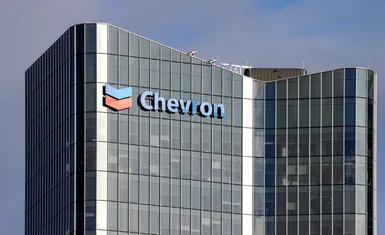
Photo by The Editors of Encyclopaedia Britannica
Business Case Study on Chevron: A Timeless Example of Vision, Trust, and Business Growth Strategy
Every successful company has a story of challenges, risks, and transformation. Few businesses demonstrate this better than Chevron. From its humble beginnings in the late 19th century to becoming one of the world’s leading energy corporations, Chevron’s journey offers valuable lessons in leadership, innovation, branding success, and sustainable business growth strategy.
This business case study explores how Chevron navigated fierce competition, market volatility, operational challenges, and changing consumer expectations to build a globally recognized brand. Whether you are an entrepreneur, student, startup founder, business leader, or someone interested in corporate success stories, this case study provides practical insights that can be applied across industries.
At Pinehills Business Solutions, we believe that understanding real-world business transformations helps organizations create stronger strategies for growth and long-term success.
The Beginning of Chevron: A Vision That Changed the Energy Industry
Chevron’s roots can be traced back to 1879 when the Pacific Coast Oil Company was established in California, USA. The company later became part of Standard Oil, founded by renowned businessman John D. Rockefeller.
After the breakup of Standard Oil in 1911 due to antitrust regulations, Standard Oil of California emerged as an independent company. Over time, through acquisitions, technological advancements, and strategic expansion, it evolved into what we know today as Chevron.
Founder Story and Early Vision
Although Chevron’s history is connected to Standard Oil and Rockefeller’s influence, the company developed its own identity with a clear mission: to provide reliable energy solutions while driving innovation and operational excellence.
The vision was ambitious—secure energy resources, improve efficiency, and expand globally while maintaining profitability and sustainability.
Initial Challenges
Like many growing businesses, Chevron faced significant obstacles:
- Limited infrastructure in early oil markets
- Intense competition from other energy companies
- Economic fluctuations affecting demand
- Regulatory challenges
- High operational costs
- Managing large-scale expansion across multiple countries
These early struggles tested the company’s resilience and strategic capabilities.
The Major Business Challenges Chevron Faced
1. Intense Market Competition
The global energy sector is highly competitive. Chevron had to compete with major industry players such as ExxonMobil, Shell, BP, and TotalEnergies.
Competition forced the company to continuously improve efficiency, reduce costs, and innovate its services.
2. Branding and Public Perception Challenges
The energy industry often faces criticism related to environmental concerns. Chevron needed to maintain public trust while balancing profitability and sustainability goals.
Building a strong corporate image became a critical branding challenge.
3. Financial Volatility
Oil and gas prices fluctuate significantly based on global events, geopolitical tensions, and economic conditions.
These unpredictable market conditions created financial uncertainty and required careful planning and risk management.
4. Growth and Expansion Complexity
Managing operations across multiple continents presented logistical and organizational difficulties. Growth brought new opportunities but also increased management complexity.
5. Sustainability Pressure
As renewable energy gained momentum worldwide, Chevron faced increasing pressure to adapt its business model and remain relevant in a changing energy landscape.
The Turning Point: Chevron’s Strategic Transformation
Rather than resisting change, Chevron embraced innovation and long-term planning.
Strategic Business Growth Strategy
One of Chevron’s most effective moves was investing heavily in exploration, technology, and operational efficiency.
The company focused on:
- Expanding global operations
- Strengthening supply chains
- Improving production efficiency
- Strategic acquisitions
- Long-term resource development
These initiatives helped Chevron maintain competitiveness even during market downturns.
Marketing Strategy That Built Trust
Chevron recognized that modern customers and stakeholders value transparency and responsibility.
Its marketing strategy shifted beyond product promotion and focused on:
- Corporate responsibility
- Sustainability initiatives
- Community development
- Educational partnerships
- Environmental awareness
This approach strengthened stakeholder confidence and improved brand perception.
Branding Success Through Consistency
Chevron consistently positioned itself as a reliable and innovative energy provider.
Its recognizable logo, consistent messaging, and commitment to operational excellence helped create strong global brand recognition.
This branding success allowed the company to stand out in a crowded marketplace.
Innovation as a Competitive Advantage
Innovation became one of Chevron’s strongest growth drivers.
The company invested in:
- Advanced drilling technologies
- Data analytics
- Digital transformation
- Carbon reduction initiatives
- Renewable energy research
These investments improved productivity while preparing the business for future industry changes.
Leadership Decisions That Made a Difference
Strong leadership played a crucial role in Chevron’s success.
Company leaders prioritized:
- Long-term planning over short-term gains
- Strategic risk management
- Operational discipline
- Continuous improvement
Their ability to make difficult decisions during uncertain periods helped the organization remain stable and profitable.
Customer and Stakeholder Focus
Chevron improved communication with customers, investors, communities, and governments.
By actively engaging stakeholders and addressing concerns, the company strengthened relationships and enhanced its reputation globally.
Results: Real Impact of Chevron’s Transformation
The outcomes of Chevron’s strategic initiatives were significant.
Revenue Growth
Over the years, Chevron became one of the largest energy companies globally, generating billions of dollars in annual revenue and maintaining strong financial performance despite market fluctuations.
Global Expansion
Chevron expanded its presence across numerous countries, building a diversified portfolio of energy assets and operations.
Strong Brand Recognition
Today, Chevron is recognized worldwide as one of the most influential names in the energy sector.
Its brand represents reliability, innovation, and operational excellence.
Market Leadership
The company successfully maintained a strong competitive position despite intense industry competition.
Sustainability Progress
Chevron continues investing in lower-carbon technologies and cleaner energy solutions, demonstrating its commitment to future growth and environmental responsibility.
Digital and Operational Excellence
Through technology adoption and innovation, the company improved efficiency, reduced costs, and strengthened decision-making capabilities.
Pinehills Business Solutions Analysis: Lessons Every Business Can Learn
At Pinehills Business Solutions, we believe Chevron’s journey provides powerful lessons for organizations of all sizes.
What Businesses Can Learn
1. Adapt Before You Are Forced To
Markets evolve constantly. Companies that proactively embrace change gain a competitive advantage.
2. Innovation Drives Long-Term Success
Innovation is not optional. Businesses must continuously improve products, services, and processes.
3. Strong Branding Matters
A company’s reputation can become one of its most valuable assets. Consistent branding builds trust and loyalty.
4. Think Long-Term
Short-term profits should never compromise long-term sustainability and growth.
Mistakes to Avoid
- Ignoring market trends
- Delaying digital transformation
- Neglecting brand reputation
- Failing to invest in innovation
- Poor stakeholder communication
Business Tips for Startups and Indian Entrepreneurs
For startups, schools, educational institutions, and small businesses in India:
- Build a clear vision from day one.
- Invest in marketing strategy early.
- Focus on customer trust.
- Embrace technology and automation.
- Create systems that support scalable growth.
- Make data-driven decisions.
These principles can help businesses navigate uncertainty and achieve sustainable success.
The Human Side of Chevron’s Success
Behind every corporate achievement are people who take risks, solve problems, and persevere through challenges.
Chevron’s journey was not built overnight. It involved decades of hard work, strategic thinking, difficult decisions, and resilience during economic downturns.
The company’s story reminds us that sustainable success comes from persistence, adaptability, and a willingness to evolve. Every challenge became an opportunity to learn, improve, and grow stronger.
That is perhaps the most important lesson of all.
Conclusion
This Chevron business case study demonstrates how strategic leadership, innovation, branding success, and long-term planning can transform a company into a global industry leader.
For business owners, entrepreneurs, students, and organizations seeking growth, Chevron’s journey offers valuable lessons in resilience, adaptability, and smart decision-making.
At Pinehills Business Solutions, we help businesses turn challenges into opportunities through expert business consulting India services, branding solutions, marketing strategy development, event management support, school project assistance, and customized business growth strategy planning.
If you are ready to strengthen your brand, accelerate growth, and build a sustainable future, contact Pinehills Business Solutions today and take the next step toward business success.